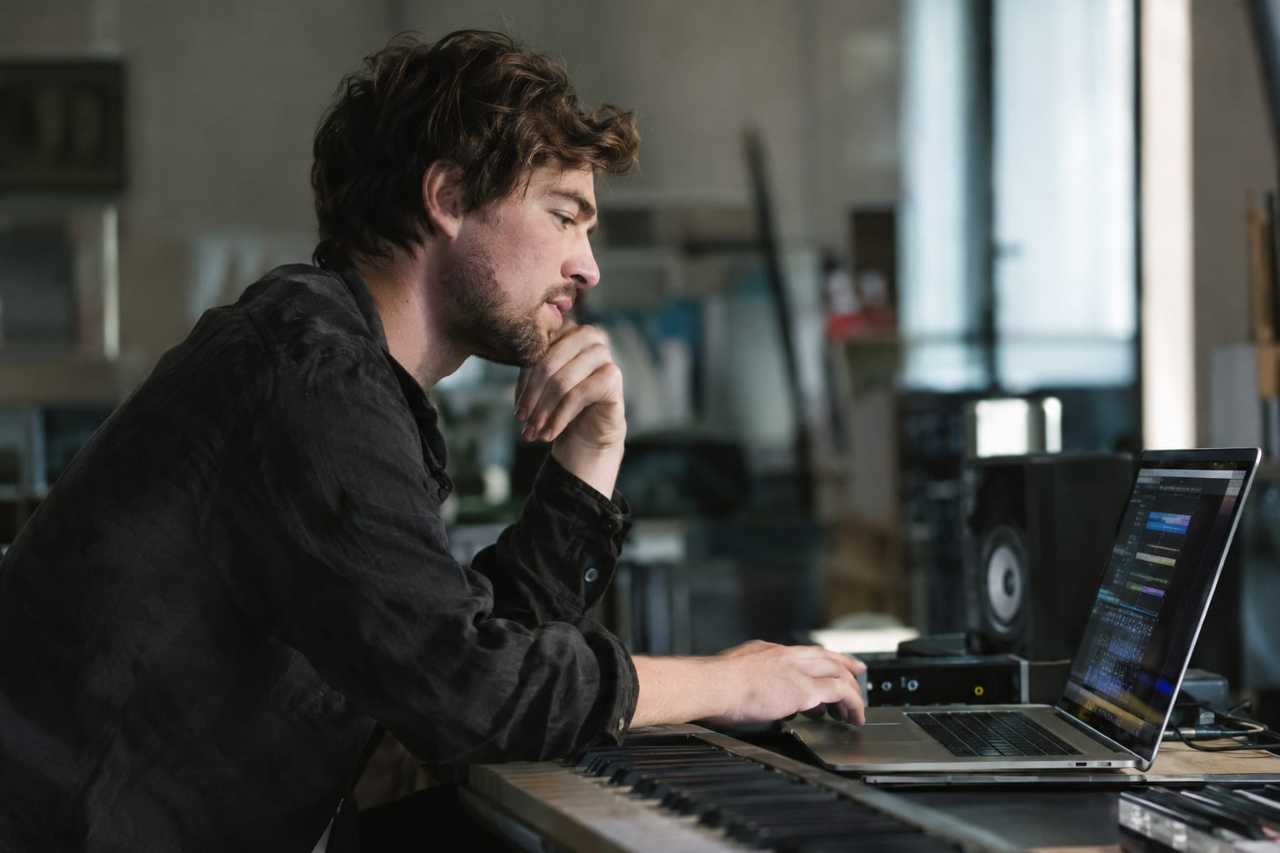
Here's a plot twist I didn't see coming.
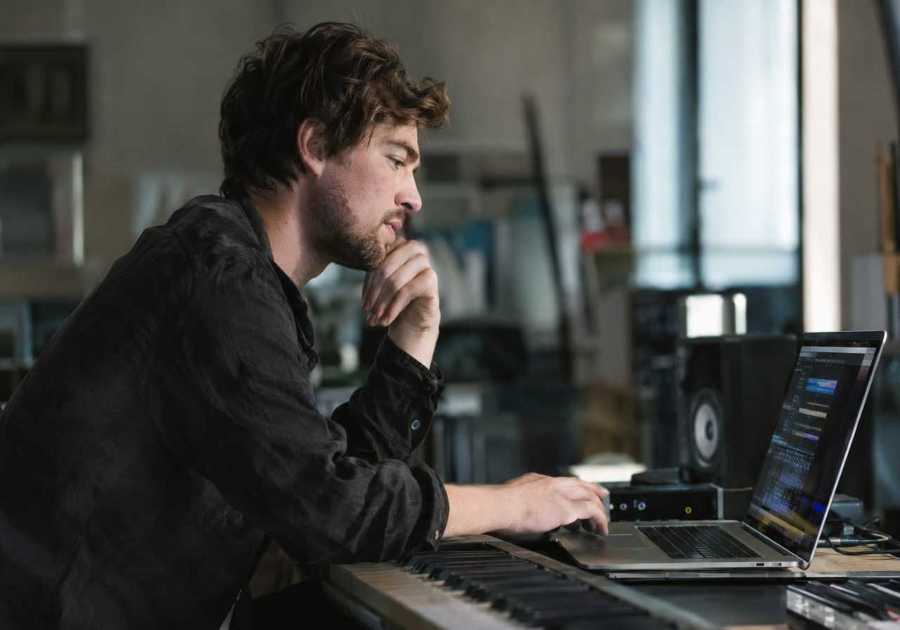
A musician gets hired specifically to replace AI-generated music with something human, something real. Makes sense, right? Companies want that authentic touch, the imperfection, the soul a machine supposedly can't fake.
Then that same musician turns around and uses AI to do the job.
I read that headline from The Drum and had to stop and think about it for a minute. Not because it's shocking. Because it's honest.
The Job Nobody Saw Coming
Think about the setup here. A brand or a studio decides the AI-generated tracks they've been using sound hollow, generic, maybe a little too perfect in that uncanny way. So they bring in a human. Someone with ears, instincts, years of practice, the kind of judgment you can't code into an algorithm.
And that person, faced with deadlines and budgets and the actual demands of the gig, reaches for an AI tool anyway.
Is that a failure? Or is it just... how work gets done now?
I've spent years traveling full-time, picking up new skills in new places because I had to, not because some textbook told me to. And one thing I've learned is that the tool rarely matters as much as the judgment behind it. A hammer doesn't make a house. A person swinging it with purpose does.
The Question Nobody Wants to Ask
Here's what's really going on underneath this story: what does "AI-generated" even mean anymore when a human is steering the wheel?
If a musician uses an AI tool to generate a chord progression, then reshapes it, edits it, adds their own performance, their own taste, their own years of mistakes and discoveries — is the result "AI music" or is it just music, made faster?
I don't think the answer is obvious. And I think that's exactly why this story matters.
We've built this comfortable story in our heads: humans make real things, machines make fake things. But that line is getting blurry fast, and pretending otherwise doesn't help anyone.
What I've Learned From Saying Yes to New Tools
I didn't grow up editing video or building websites or running a business from a laptop in a different country every few months. I learned by doing, by asking "what happens if I try this?" and then actually trying it.
AI tools are no different to me than any other tool I've picked up late in life. GPS instead of paper maps. Translation apps instead of a phrasebook. A camera that fits in my pocket instead of a bag full of gear.
None of those things replaced my judgment. They extended it.
So when I hear about a musician getting hired to push back against AI and ending up using it, I don't hear hypocrisy. I hear someone adapting in real time, figuring out where the line actually is instead of where people assume it is.
Why This Should Matter to You
Maybe you're not a musician. Maybe you don't care about chord progressions or sync licenses or whatever deal brought this person into a studio in the first place.
But you've probably faced your own version of this. A tool shows up that promises to replace something you do by hand, by instinct, by years of practice. And at some point you have to decide: do I resist it on principle, or do I pick it up and see what it actually does in my hands?
I say pick it up. Experiment. See what changes and what doesn't. You might find, like that musician apparently did, that the thing you were hired to fight becomes just another instrument in your kit.
That's not selling out. That's staying curious.
Keep Moving
The old lines between human and machine, authentic and artificial, are shifting faster than most of us can keep score. Fighting that shift head-on rarely works. Understanding it, testing it, bending it to your own purposes — that's a different game entirely.
So here's my question for you: what's the tool you've been avoiding because it feels like cheating? And what might happen if you just tried it once, on your own terms, and saw what came out the other side?
Adventure has no age limit. Apparently, neither does reinvention.
Source: The Drum
Our last article on this: From Big Ideas to Bigger Opportunities: What Adobe's New Survey Says About Creators and AI