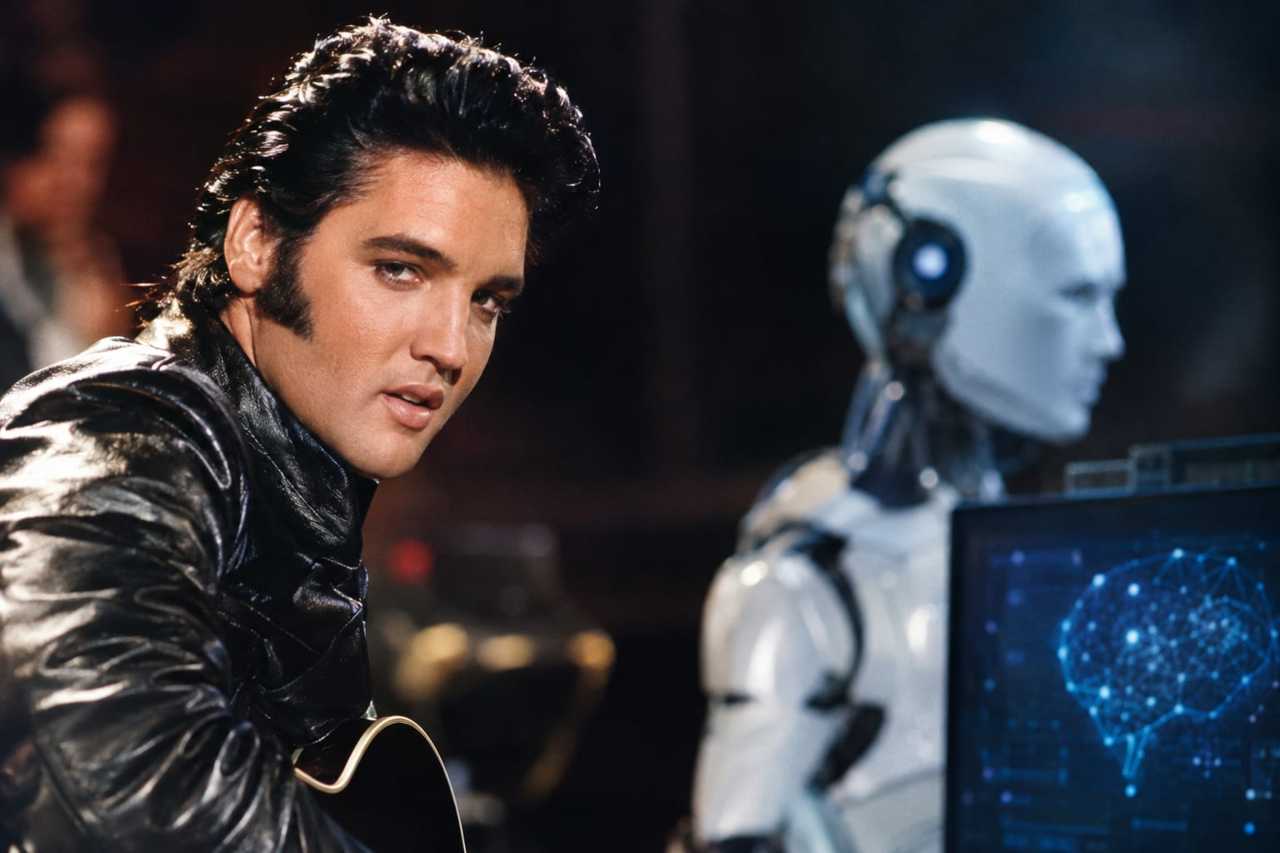
Here's a question worth sitting with: if a machine learns to sing like Elvis, who actually owns that voice?
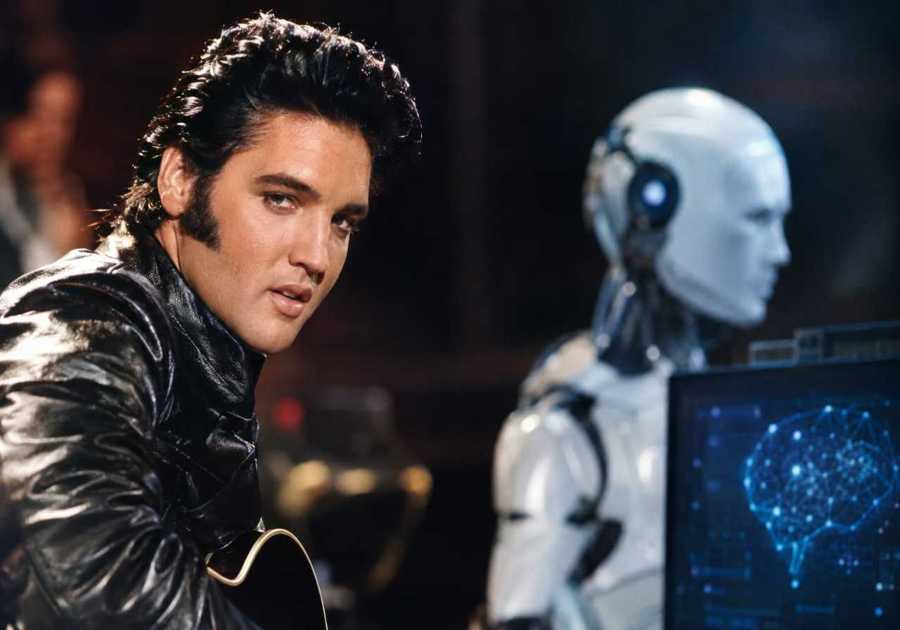
That's the fight playing out right now. The owners of Elvis Presley's music catalog have filed a new lawsuit against an AI music generator, accusing the company of using his recordings and style without permission. It's the latest shot fired in a bigger war that's been building for a couple of years — one between the people who hold the rights to decades of recorded music and the companies racing to build AI tools that can write, sing, and produce songs on command.
I've been following this fight for a while now, mostly because it fascinates me. Not the legal stuff — I'll leave that to the lawyers — but the bigger question underneath it. What happens when a machine can study everything an artist ever recorded and spit out something that sounds just like them? Is that creativity? Is that theft? Or is it something we haven't even figured out how to name yet?
Elvis is a pretty loaded test case for this. The man's been gone since 1977, but his voice is still one of the most recognizable sounds on the planet. I've walked through Graceland in Memphis, stood in that trophy room full of gold records, and felt how much of American culture got built around one guy from Tupelo with a guitar and a voice nobody else had. That voice is still worth real money. Still worth protecting, apparently — enough that the people who own the rights to it are willing to go to court over how AI companies are using it.
And that's really what this lawsuit is about. It's not really about whether AI can make music. It obviously can — pretty well, actually. The question is whether it's allowed to learn from an artist's actual recordings to do it, without paying for the privilege or asking permission first.
This isn't an isolated case, either. Major record labels have already gone after a couple of AI music platforms over the same basic issue — training models on copyrighted songs without a license. Elvis's catalog owners are now adding their name to that growing list of plaintiffs. The pattern is pretty clear: the music industry isn't waiting around to see how this shakes out. They're filing lawsuits now, while the technology is still young enough to shape the rules around it.
So why should you care, if you're not a musician or a lawyer or an Elvis superfan?
Because this is bigger than music. It's a preview of a question that's coming for every creative field — writing, photography, art, even the voice of a podcast host you've never met. AI tools are built by learning from existing human work. That's not a side effect. That's the whole method. And right now, nobody's fully agreed on whether that learning process is fair use or theft.
I like asking "what happens if" questions, and this one's a doozy. What happens if an AI can recreate a singer's style so well that fans can't tell the difference? What happens to the next generation of musicians trying to find their own sound, if the market gets flooded with machine-made imitations of the greats? And what happens to an estate's ability to control how a legend's legacy gets used, long after that person is gone?
I don't have clean answers. Nobody does yet — that's why we've got courts instead of certainty.
What I do know is this: technology has never waited for permission, and it's not going to start now. The music business learned that the hard way with Napster. They're learning it again with AI. The lawsuits piling up against these AI music generators aren't going to stop the technology. But they might decide who gets paid, who gets credit, and who gets to say no.
Elvis built a career on doing things nobody expected from a kid out of Mississippi. Seems fitting that even now, decades later, he's still the test case for something entirely new.
Source: WREG.com
Our last article on this: Proceed with Caution: Pennsylvania Targets Deceptive AI in Advertising