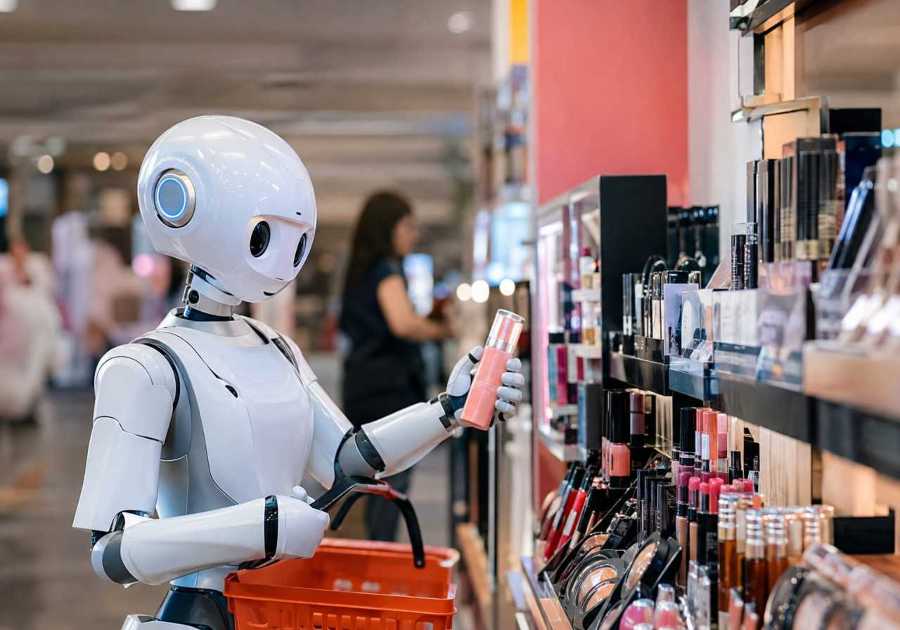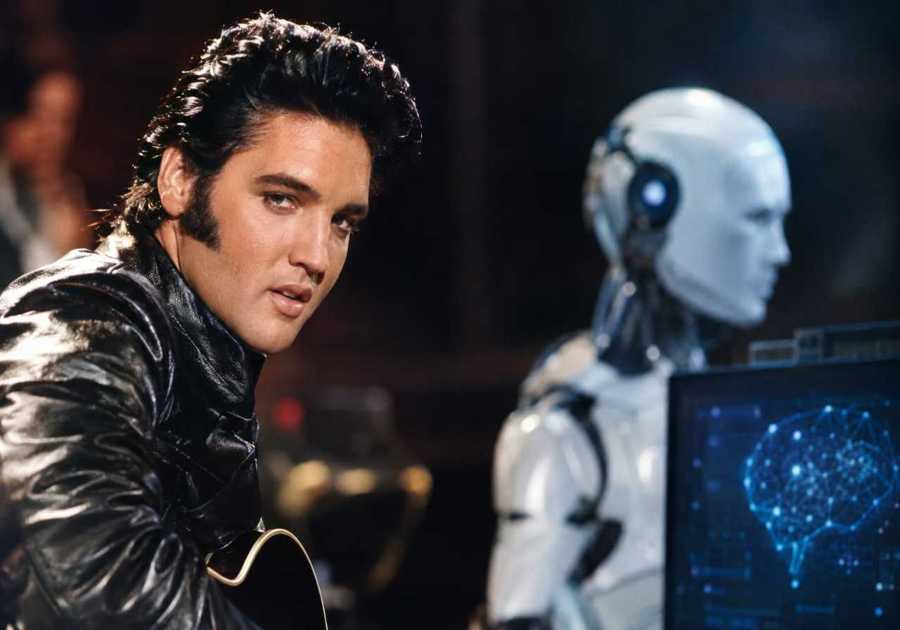
Can a machine make you a fan of something? Not content you glance at once and forget. A real fan — the kind who shows up, buys the merch, defends the thing online, tells their friends about it for years.
That question is exactly what Seo Woo-seok has been chewing on. Seo runs bemyfriends, a fandom platform out of South Korea, and he made his case at U-KNOCK 2026 in USA, an event held at the Biltmore Hotel in Los Angeles on November 5th. His answer, in short: AI can crank out content all day long. It can't make people care.
I find that distinction fascinating, and honestly, a little reassuring.
Anyone Can Make Content Now. So What?
Here's the shift Seo's pointing at. For decades, making good content was the hard part. You needed skill, money, a studio, a record label, a production crew. AI just knocked most of that down. Now almost anyone can generate a song, a video, a whole campaign, in an afternoon.
So if everyone can make content, making it stops being the advantage. The advantage moves to a different question: who's actually watching, and why do they keep coming back?
Seo put it bluntly: a lot of people think you're in the fandom business because you already have fans. Wrong, he says. You're in the fandom business if you know how to create fans in the first place. That's a skill, not a byproduct.
Think about that for a second. Fans aren't sitting around waiting to be discovered. You build the experience, the point of connection, the reason someone wants to stick around. That's work. It's also, as Seo points out, something a chatbot can't fake its way through — you can spin up a community platform with AI tools pretty easily these days, but understanding what fans of a specific artist, show, or cause actually want? That takes real human attention.
Even Politicians Need This
The part of the interview that stopped me was Seo saying fandom isn't locked to K-pop or sports. Politicians, he says, are potential clients too. Not because bemyfriends wants to wade into politics, but because the mechanics are the same everywhere: connect a person or a brand to the people who believe in them, then keep that relationship alive.
That's a bigger idea than it sounds like at first. It means fandom isn't a genre. It's a relationship model. And once you see it that way, you start noticing it everywhere — in musicians, in YouTubers, in small businesses, in travel writers building an audience one honest story at a time.
I'll admit, that last one hits close to home. I've spent years since 2017 building an audience simply by going places and writing about what actually happened — the mistakes, the discoveries, the moments that made me rethink something. Nobody automated that. People stick around because they trust the voice behind it, not because the content was flawless.
Local Knowledge Beats a Copy-Paste Platform
bemyfriends is now pushing beyond K-pop into music and sports, aiming at roughly 150 countries. But Seo's approach isn't "build one platform and ship it everywhere." He's partnering with local operators — companies that already understand their own market — in places like Vietnam, with Indonesia and India under exploration.
That's a smart move, and it's one I've seen play out over and over in my own travels. The people who actually understand a place beat the people who just parachute in with a formula. Local knowledge isn't a nice-to-have. It's the whole game.
Seo's bigger ambition is what he calls "management without IP" — instead of owning artists or their rights, bemyfriends wants to supply the infrastructure: distribution, live shows, global expansion, fandom-building, all of it, so independent artists and smaller labels can grow without giving up ownership. It's an unconventional structure, betting that being useful matters more than owning the thing itself.
Why This Matters Beyond K-Pop
South Korea's built a genuine edge in content — but platforms like YouTube, Spotify and Netflix still control most of the distribution. Seo's bet is that fandom itself, the relationship-building part, can become the next export. Not just songs. The know-how of turning strangers into believers.
Makes you wonder: what would it look like if you applied that thinking to your own thing — your work, your hobby, your little corner of the internet? AI will happily make the content for you. Building the people who actually care? That's still on you.
Source: Seoul Economic Daily
See also our earlier piece: Ulta Is Now Marketing to Robots. Yes, Really.