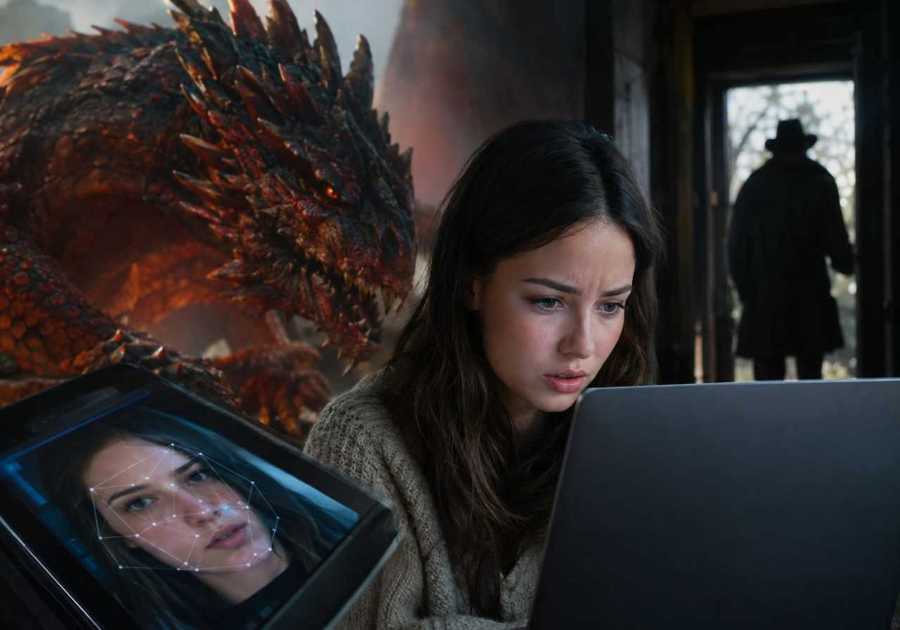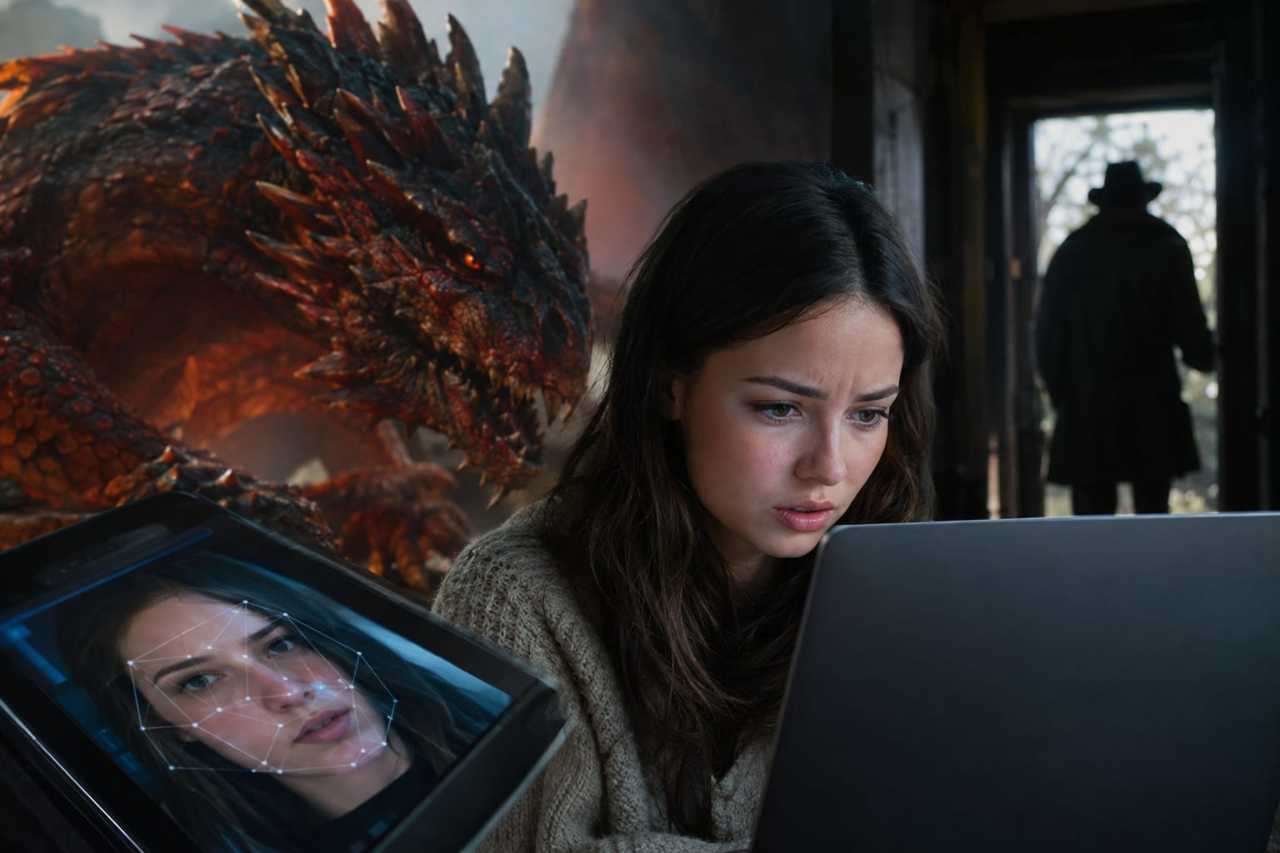
A woman is having sex with her werewolf brother-in-law on TikTok. Her sister just got pregnant by a dragon. And somewhere, a 13-year-old is watching both clips before she even finishes her homework.
I'll be honest — when I first read about this, I thought it was a joke. It's not.
Where This Stuff Comes From
These bizarre little videos are called microdramas. They come out of China's vertical short-drama industry, a business worth an estimated $14 billion, built on fast, cheap, addictive soap-opera clips that run one or two minutes each. Platforms like TikTok's own PineDrama, along with Chinese apps ReelShort and DramaBox, push out romance and fantasy storylines designed to hook you episode by episode.
Here's the part that should bother you: TikTok doesn't have a kids' filter. Netflix has one. YouTube has one. TikTok doesn't. And the app's minimum age is just 13.
Who's actually on TikTok? Teens aged 15 to 17 make up 74% of its 1.6 billion monthly users, and roughly 58% are between 13 and 14. So when I say this content is landing on kids' screens, I don't mean hypothetically. I mean literally, by design, because the algorithm rewards attention — any attention — with more of the same.
How the Algorithm Turns Curiosity Into a Trap
I've spent eight years living out of a backpack, moving through more than 60 countries, and one thing I've learned is that algorithms don't care who you are. They care what keeps you scrolling. Finish an episode of dragon-and-werewolf smut, and TikTok reads that as deep interest. Then it sends you more. That's not a glitch. That's the business model.
Accounts with throwaway names like @qwsa9fg churn out hundreds of these clips, often with captions pushing viewers toward a download for Shortmax, another Chinese microdrama app. Some of the content is just absurd. Some of it's violent — one video reportedly shows a man stabbing his girlfriend and slapping her across the face. And because this stuff runs as both organic posts and paid ads, blocking one account does nothing. More just shows up.
Here's where it gets worse. Alon Yamin, CEO of the AI detection company Copyleaks, says many of these microdrama ads funnel viewers toward AI content farms that enable nonconsensual sexual deepfakes — real photos of real people, turned into fake porn without their consent. Copyleaks has already found close to 50 apps in Apple's App Store built to generate exactly that. Apple pulled three of them after Copyleaks flagged them on July 29. Apple says "nudification" apps violate its guidelines and gets removed when reported. But nearly all of them, according to Copyleaks, were being promoted through TikTok ads — some offering "Hot Templates" with an option called "Layer Off" for undressing photos, others disguised as erectile dysfunction cures that led to explicit deepfakes of celebrities like Arnold Schwarzenegger and Sylvester Stallone.
Many of these apps block screenshots and screen recording. Convenient, if your goal is making sure nobody can report you.
Why This Should Matter to You
Tessa Stucky, a parenting coach and mental health expert, put it simply: this content doesn't stay online. Kids carry it around. She sees anxiety, fear, shame — kids who can't shake a video out of their head at bedtime. She's raising boys and says she doesn't want them anywhere near this stuff, because early exposure can build an algorithm of its own, one that keeps escalating as kids get desensitized. Her research links early exposure to sexual content with more aggressive behavior later and, in some cases, erectile dysfunction in adulthood.
TikTok, for its part, says it prohibits sexually explicit paid ads and content created for sexual purposes, and that flagged videos get limited distribution. When reporters sent examples, TikTok said it couldn't find the ads running, called the clips user-uploaded, removed one, and labeled two others. Yamin's response is fair: labels only work if the system actually catches the content before it spreads — and right now, it isn't.
So here's my question, the one I keep coming back to: if a 13-year-old can stumble onto this in thirty seconds of scrolling, who exactly is minding the door?
I don't have a kid on TikTok. But I've got grandkids who'll be old enough soon enough, and I'd rather ask the hard questions now than find out the hard way later. What's actually in your family's feed? Maybe it's worth a look before the algorithm decides for you.
Source: Yahoo
Catch up on our earlier post: Why You Trust Some Influencers and Ignore the Rest