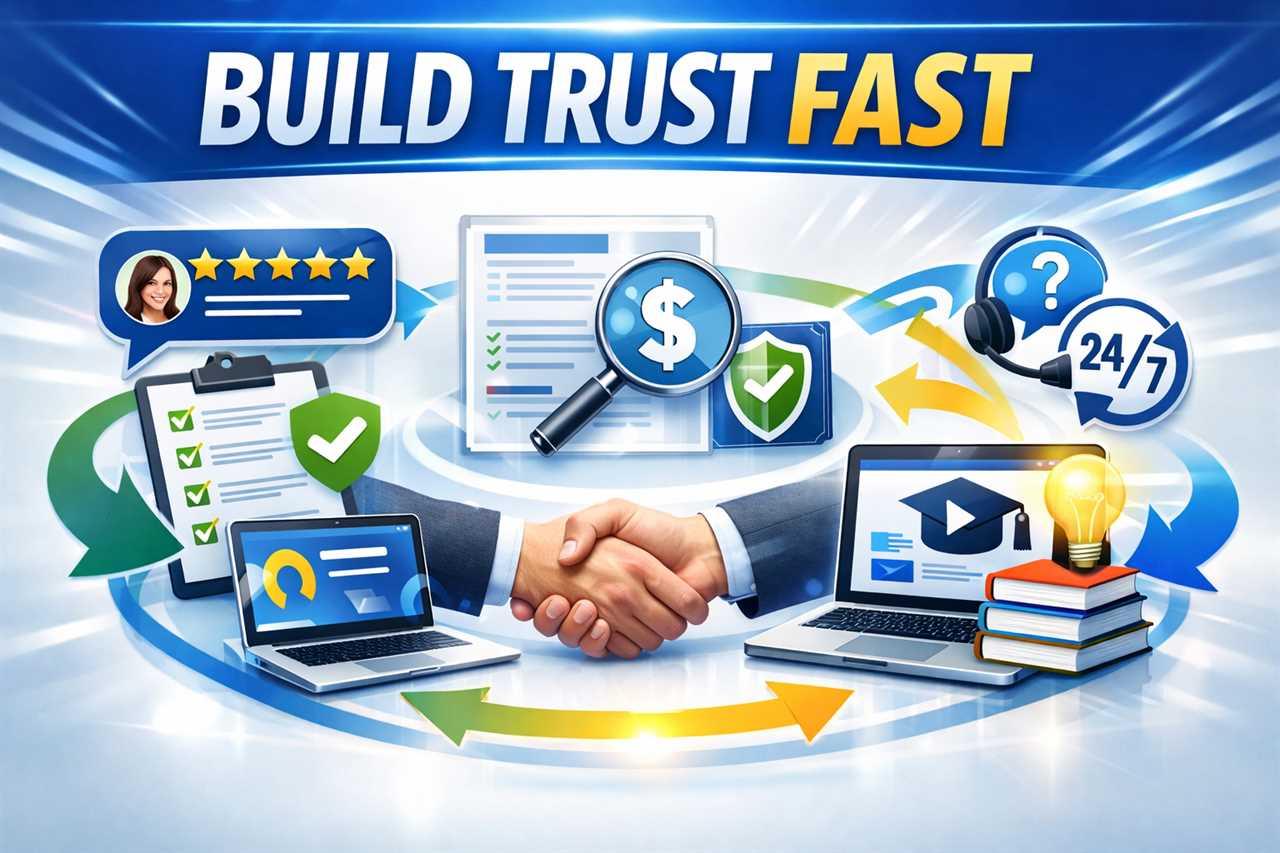
Trust is the real currency of small business growth. While pricing, convenience, and visibility all play a role, trust is what ultimately determines whether a new visitor becomes a paying customer—or clicks away to a competitor.
The data is clear. According to BrightLocal, 87% of consumers read online reviews for local businesses before making a purchasing decision. Edelman’s Trust Barometer shows that trust is now one of the strongest drivers of brand choice, even outweighing price for many buyers. PwC reports that 32% of customers will stop doing business with a brand they like after just one bad experience. These numbers confirm one thing: trust is fragile, powerful, and non-negotiable for small business success.
Below are seven proven ways small businesses can build trust with new customers, even before the first conversation takes place.
1. Show Real Reviews Where Customers Actually Look
New customers want proof, not promises. Reviews act as modern word-of-mouth, and they are one of the fastest ways to establish credibility with people who have never interacted with your business before.
The most effective businesses don’t hide reviews on a single testimonials page. They place them strategically across their website, Google Business Profile, social media platforms, and even inside service or sales pages. Recent, detailed, and authentic reviews are especially powerful because they answer objections customers haven’t yet voiced.
Negative reviews matter too. When handled calmly and professionally, they demonstrate accountability and transparency—two traits that significantly increase trust rather than reduce it.
2. Be Radically Transparent About Pricing and Expectations
Uncertainty kills trust. When customers are unclear about pricing, timelines, policies, or outcomes, hesitation increases and confidence drops.
Transparency removes friction. Clear explanations of what your service includes, what it doesn’t include, how pricing works, and what customers should expect next make people feel safe moving forward. Hidden details may feel like a short-term advantage, but they almost always backfire later.
Being upfront does not reduce conversions. Instead, it filters out poor-fit customers and strengthens relationships with people who are aligned with your process and values.
3. Put a Real Human Face on the Business
People trust people, not logos. Especially for small businesses, faceless branding creates emotional distance and hesitation.
Introducing the owner, team members, or behind-the-scenes moments instantly humanizes your brand. Photos, short videos, and personal stories create familiarity before the first interaction ever happens.
This does not require high production value. Authenticity matters far more than polish. When customers feel like they already know you, trust forms faster and conversations feel more natural.
4. Respond Quickly and Thoughtfully Across All Channels
Responsiveness is one of the strongest silent trust signals. How quickly and thoughtfully you respond to inquiries, comments, and reviews tells customers how they will be treated after money changes hands.
Slow responses create doubt. No responses create suspicion. Prompt, helpful replies communicate reliability, professionalism, and stability.
Public responses matter just as much as private ones. When potential customers see you addressing feedback respectfully—even criticism—they gain confidence that your business is attentive, accountable, and dependable.
5. Reduce Risk With a Low-Commitment First Step
New customers hesitate because they fear making the wrong decision. Reducing perceived risk helps trust develop naturally.
Free consultations, demos, evaluations, trials, or clear guarantees allow customers to experience value without pressure. These low-commitment entry points show confidence in your service and respect for the customer’s decision-making process.
Businesses that reduce risk signal long-term thinking rather than short-term transactions, which significantly strengthens credibility and loyalty.
6. Be Consistent Everywhere Customers Encounter You

Consistency builds familiarity, and familiarity builds trust. When your message, tone, visuals, and promises change across platforms, customers sense instability—even if they cannot explain why.
Your website, social media profiles, ads, emails, and in-person experience should feel aligned. The same values, language, and expectations should follow customers wherever they interact with your brand.
Consistency does not mean repetition. It means reliability. When customers know what to expect, trust grows naturally.
7. Educate Before You Ever Try to Sell
Education builds authority, and authority builds trust. When a business helps customers understand problems, options, and solutions without immediately pushing a sale, it positions itself as a guide rather than a salesperson.
Helpful content answers common questions, reduces confusion, and removes fear. Blogs, short videos, FAQs, and social posts that genuinely help customers make better decisions all contribute to long-term trust.
The challenge for many small businesses is consistency. Educational trust-building only works when it happens regularly. That’s where a set-and-forget content system becomes valuable, allowing helpful, relevant content to be shared automatically while you focus on serving customers.
This video reinforces the strategies above by breaking down transparency, responsiveness, and credibility—the exact factors customers use to decide who they trust.
Trust Is Built Long Before the First Sale
Trust is not created by a single tactic. It is built through consistent signals that reassure customers they are making a safe, informed decision.
Small businesses do not need massive ad budgets to earn trust. They need clarity, authenticity, and systems that support consistent value delivery. In a crowded marketplace, the businesses that grow steadily are the ones that earn trust quietly—long before the sale ever happens.
References
BrightLocal. (2023). Local consumer review survey. https://www.brightlocal.com/research/local-consumer-review-survey/
Edelman. (2023). Edelman trust barometer. https://www.edelman.com/trust-barometer
PwC. (2018). Future of customer experience survey. https://www.pwc.com/us/en/services/consulting/library/customer-experience.html