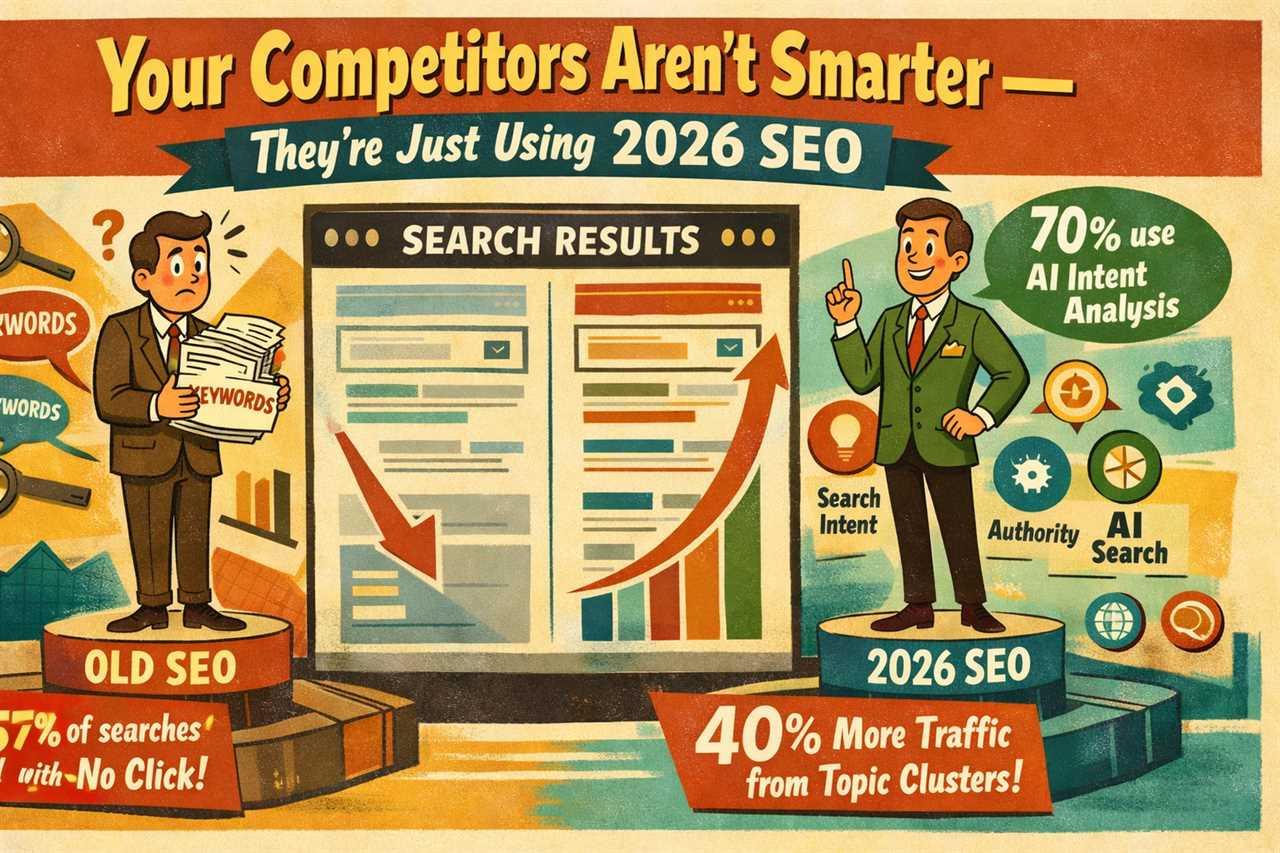
Many business owners assume their competitors rank higher because they are more experienced, more skilled, or simply better at marketing. But in most cases, that assumption is wrong. The real reason competitors outperform you in search results often comes down to one simple difference: they are using modern SEO strategies designed for today’s search environment, while many businesses are still relying on outdated tactics.
Search engines have changed dramatically over the past few years. Artificial intelligence, semantic search, and user behavior signals now influence rankings more than traditional keyword tactics. Businesses that understand these changes are gaining visibility faster, while those using older methods slowly lose traffic without realizing why.
🎥 Watch: How SEO Is Changing in the AI Era
SEO Has Changed Faster Than Most Businesses Realize
One of the biggest misconceptions about SEO is that it evolves slowly. In reality, search technology has accelerated rapidly since the introduction of AI-driven search models. According to industry reports, more than 70% of search queries are now interpreted using AI-based context analysis rather than simple keyword matching. This means search engines no longer look only at specific words on a page. They analyze the meaning behind the content and how well it satisfies the user’s intent.
At the same time, the structure of search results has transformed. Traditional organic listings now compete with AI summaries, video carousels, featured snippets, and interactive answer boxes. Studies indicate that over 57% of searches now end without a click, because users receive the information they need directly from the results page.
Businesses that continue optimizing pages primarily around keyword placement are missing the larger shift. Competitors who focus on intent, topical authority, and user experience are gaining a significant advantage.
Authority Now Matters More Than Individual Pages
Another major difference between outdated SEO and modern SEO is how authority is built. In the past, ranking often depended on optimizing individual pages for specific keywords. Today, search engines evaluate entire topic ecosystems. They measure how deeply a website covers a subject and whether it demonstrates expertise.
Data shows that websites using structured topic clusters experience up to 40% higher organic traffic growth compared to sites that publish isolated articles. Instead of writing dozens of short posts targeting slightly different keywords, successful websites create comprehensive guides supported by related subtopics. Internal linking connects these pages and reinforces subject authority.
Your competitors may not necessarily have better content writers or larger teams. They simply understand that SEO is now about building authority across a topic rather than winning a single keyword battle.
User Behavior Signals Influence Rankings
Search engines increasingly rely on behavioral signals to evaluate content quality. Metrics such as bounce rate, dwell time, and repeat visits help algorithms determine whether a page truly satisfies users. If visitors leave quickly after landing on a page, the algorithm interprets that as dissatisfaction.
Research indicates that pages with strong engagement metrics maintain their rankings 35% longer than pages optimized solely for keyword placement. In other words, even if you temporarily reach the top position, poor engagement can quickly push your page down.
This is another area where modern SEO strategies outperform older ones. Instead of focusing purely on search engines, advanced strategies focus on the user experience. Content becomes more structured, informative, and engaging. When readers stay longer and explore additional pages, those signals strengthen your visibility.
AI Has Raised the Standard for Content Quality
Artificial intelligence has not only changed how search engines interpret queries but also how they evaluate content. With the rise of automated content generation, the internet has seen a massive increase in low-value articles. Some estimates suggest that AI-generated web content increased by more than 200% between 2024 and 2025.
To maintain search quality, algorithms now emphasize originality, expertise, and depth. Thin articles designed purely to capture keyword traffic are becoming easier for search engines to identify and filter out. Competitors who invest in detailed, helpful resources stand out in this crowded environment.
This shift explains why some websites with fewer pages still outperform larger sites. The difference is not quantity but quality and relevance.
Technical Performance Is No Longer Optional
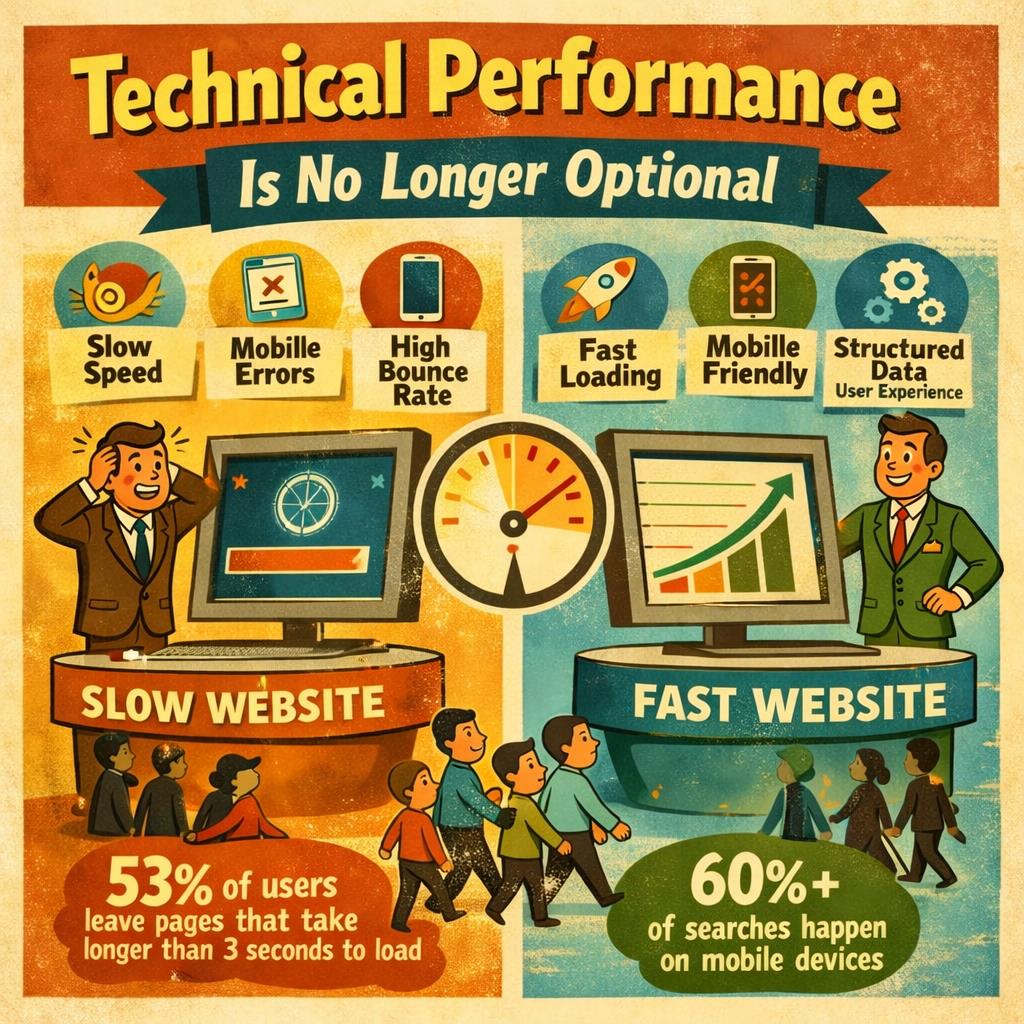
Modern SEO also includes technical optimization that many businesses overlook. Page speed, mobile usability, and structured data directly influence search performance. With over 60% of global search traffic now coming from mobile devices, a website that loads slowly or displays poorly on smartphones can lose rankings quickly.
Studies show that 53% of users abandon pages that take longer than three seconds to load. Search engines interpret these behaviors as signs of poor experience and adjust rankings accordingly. Competitors who invest in faster, more user-friendly websites gain a significant advantage.
The Real Competitive Edge
When you look closely, your competitors are not necessarily smarter or more talented. They simply recognize that SEO has evolved into something much broader than keyword optimization. They understand that success now depends on authority, engagement, and user satisfaction.
Modern SEO strategies combine content depth, strong internal linking, fast technical performance, and intent-driven research. Businesses using these approaches consistently outperform those relying on outdated playbooks.
If you want to understand the deeper reason behind this transformation, the next step is learning how search engines now interpret content and intent. Continue reading
👉 SEO in 2026 Is Not About Keywords Anymore
The Opportunity Ahead
The encouraging part of this shift is that it creates opportunities for smaller businesses. Large companies often rely on legacy strategies and slower processes. Agile businesses can adapt quickly by creating helpful content, building topical authority, and improving user experience.
Search engines increasingly reward the most useful resources rather than the largest brands. By focusing on depth, clarity, and real value, smaller websites can compete effectively against much bigger competitors.
SEO in 2026 is not about outsmarting the algorithm. It is about understanding how search works today and aligning your strategy with user needs. Businesses that embrace this mindset are not just keeping up with competitors—they are positioning themselves to surpass them.
Recommended Resources for AI Content Creation & Business Media Tools
Content is the fastest way to attract customers — and now, AI makes it easier than ever. These tools help you create professional videos, voiceovers, podcasts, and marketing content that make your business stand out and build trust instantly. You don’t need to be tech-savvy or hire expensive creators. With the right tools, you can produce powerful content in minutes and position yourself as the expert in your market. The businesses winning today are the ones creating content consistently. Take a look at the tools below and start creating content that brings you customers.
AI Video & Avatar Tools
HeyGen - Creates AI avatar spokesperson videos without filming.
ElevenLabs - Creates realistic AI voiceovers and voice cloning.
BizClips - Done-for-you business video creation service.
Podcasting, Video & Repurposing Tools
StreamYard - Live streaming studio for broadcasting and recording shows.
Castmagic - Turns podcasts and videos into blogs, posts, and marketing content.
YouTube Growth & Optimization
VidIQ - Helps grow YouTube channels using SEO tools and analytics.
Community & Course Platforms
Skool - Platform for building paid communities and online courses.
Hardware Tools
Maono Microphones - Professional microphones for podcasting and content creation.
Maono GamerWave Mic - USB microphone for podcasting, streaming, and recording.
Mindset & Personal Development
MindTrainer Pro - Programs designed to improve mindset, productivity, and success.