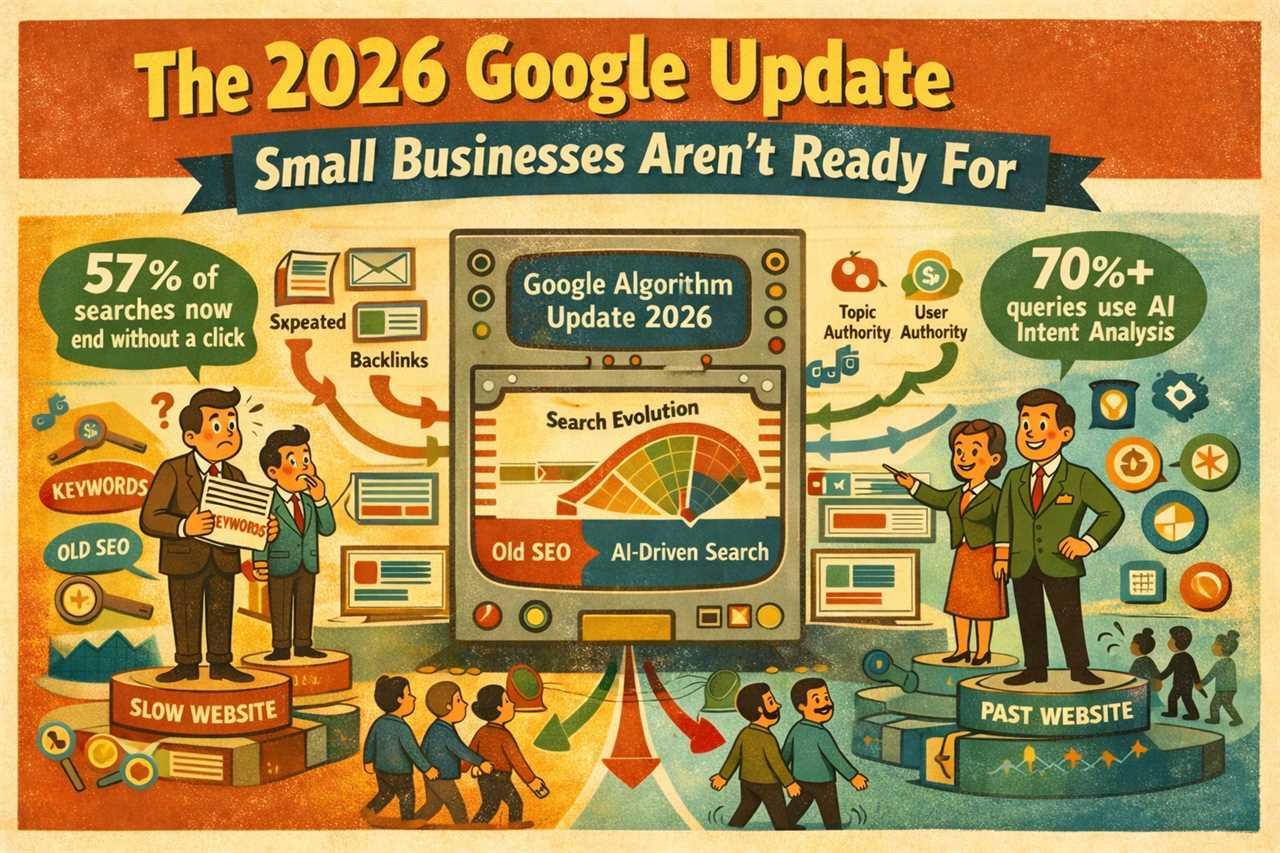
Search engine updates used to feel predictable. Every few months, algorithms changed slightly, and SEO professionals adjusted their strategies. But the shift happening around 2026 is far bigger than a typical update. It represents a fundamental transformation in how search engines evaluate content, interpret user intent, and decide which websites deserve visibility.
For small businesses, this change is especially important. Many companies are still using SEO strategies that worked five years ago—optimizing for keywords, publishing frequent blog posts, and focusing primarily on backlinks. While those tactics once delivered reliable results, modern search systems now prioritize a completely different set of signals. Businesses that fail to adapt risk losing visibility without understanding why.
🎥 Watch: How AI Is Changing SEO Forever
AI Is Now the Core of Search
The biggest change behind the 2026 search update is the rapid expansion of artificial intelligence in ranking systems. Search engines now rely heavily on machine learning models that interpret context rather than simply matching keywords. According to recent industry data, more than 70% of search queries are processed using AI-driven intent analysis, allowing algorithms to understand what users actually mean instead of just what they type.
This shift dramatically changes how websites compete for rankings. Instead of rewarding pages that repeat specific phrases, search engines now evaluate whether content fully answers the underlying question behind a query. If a page lacks depth or fails to address related concepts, it may struggle to rank—even if it contains the target keyword.
At the same time, AI-powered summaries and answer boxes are becoming more common in search results. Research suggests that over 57% of searches now end without a click, meaning users receive the information they need directly from the results page. This trend forces businesses to rethink how they structure content so that it stands out beyond automated summaries.
Content Quality Has a Higher Standard
Another reason many small businesses are unprepared for the 2026 update is the rising standard for content quality. The internet has seen an explosion of automated articles created with generative tools. Some estimates indicate that AI-generated web content increased by more than 200% between 2024 and 2025.
To maintain reliable search results, algorithms are becoming better at detecting low-value or repetitive content. Pages that provide surface-level information, duplicate common advice, or rely heavily on keyword repetition may struggle to compete.
Instead, search engines now favor content that demonstrates genuine expertise. This includes detailed guides, original insights, clear explanations, and structured information that addresses multiple related questions. Businesses that invest in high-quality resources will stand out in a crowded digital environment.
Visibility Is No Longer Just About Rankings
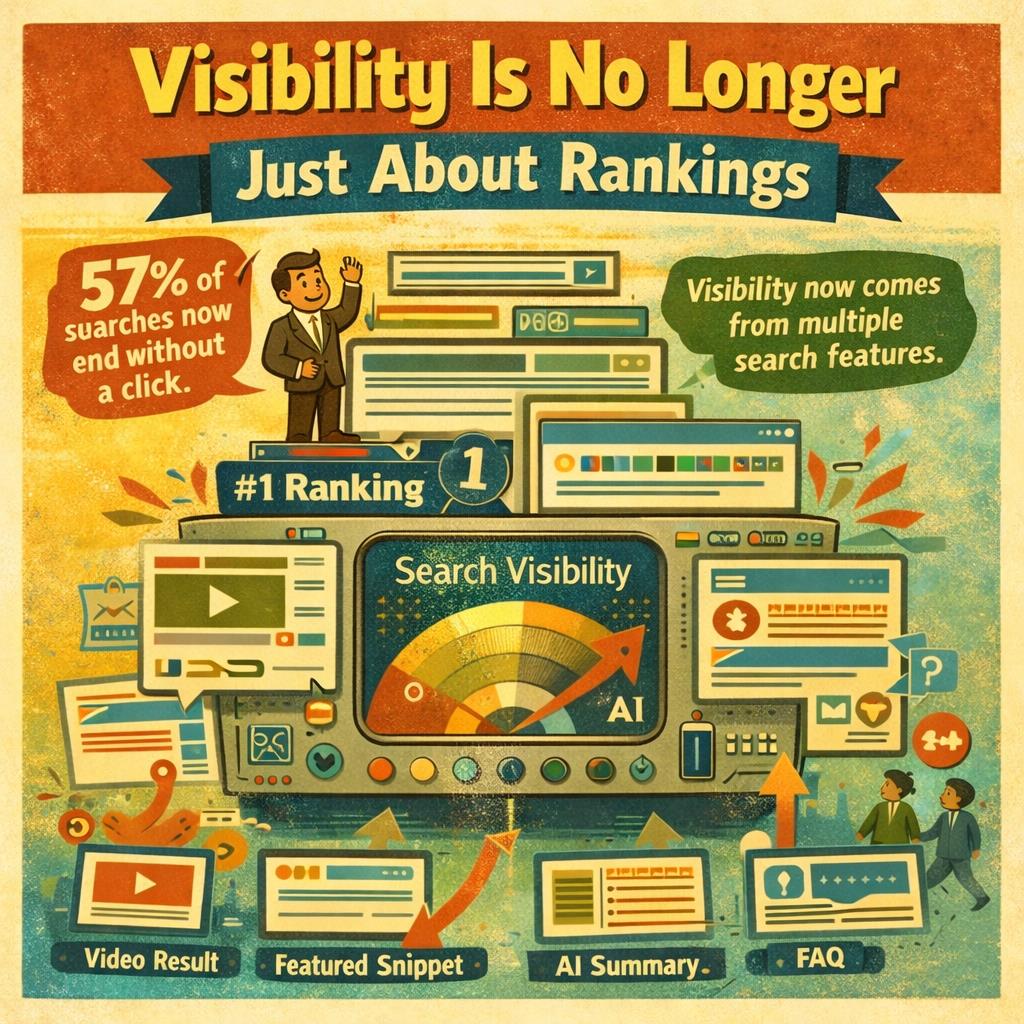
One of the most surprising aspects of the 2026 update is how the search results page itself has evolved. Instead of a simple list of links, modern results include AI summaries, videos, featured snippets, interactive answer boxes, and dynamic search panels. These features often appear above traditional listings, reducing the prominence of standard rankings.
Research indicates that 57% of searches now end without a click, meaning users often find answers directly on the search page itself. Because of this shift, businesses must think beyond the traditional goal of ranking first. Visibility now includes appearing in multiple search features, such as AI summaries, FAQ sections, video carousels, and featured snippets.
Companies that diversify their content—through detailed guides, videos, structured FAQs, and optimized data—have a much higher chance of capturing attention across the entire search results page. This broader presence creates stronger brand authority and increases the likelihood that users will engage with the content.
Authority Is Built Across Topics
Another critical change is how search engines measure authority. In earlier years, ranking often depended on optimizing individual pages. Today, algorithms evaluate the broader context of an entire website. They analyze whether a site consistently covers a topic in depth and whether its content connects logically through internal linking.
Studies show that websites using topic clusters and pillar content strategies can see up to 40% higher organic traffic growth compared to sites that publish isolated blog posts. This approach demonstrates subject expertise and helps search engines understand the relationship between different pieces of content.
Small businesses that continue creating disconnected articles targeting random keywords may find it difficult to compete against sites with structured content ecosystems.
User Experience Is a Ranking Factor
Technical performance and usability also play a larger role in the 2026 search landscape. Search engines increasingly evaluate how users interact with a website after clicking a result. Factors such as page speed, mobile responsiveness, and content readability influence how long visitors stay on a page.
Statistics show that 53% of users abandon pages that take longer than three seconds to load, and more than 60% of global searches now occur on mobile devices. Websites that fail to deliver fast, mobile-friendly experiences risk losing both users and rankings.
Additionally, behavioral signals like dwell time and repeat visits provide algorithms with valuable feedback. If visitors engage with a page and explore additional content, search engines interpret that behavior as a sign of quality.
Preparing for the Future of Search
The good news is that the 2026 update does not necessarily favor large corporations over smaller companies. In fact, it often rewards websites that provide the most helpful, well-organized content regardless of brand size. Businesses that understand their audience and create resources that genuinely solve problems can compete effectively against bigger competitors.
Success in the new search environment requires focusing on intent, authority, and user experience rather than relying on outdated optimization tricks. By building topic clusters, improving site performance, and publishing valuable insights, small businesses can position themselves for long-term visibility.
If you want to understand the deeper shift driving these changes, continue reading
👉 SEO in 2026 Is Not About Keywords Anymore
The businesses that adapt to these evolving search principles will not just survive the next update—they will thrive in the new era of SEO.
Recommended Resources for AI Content Creation & Business Media Tools
Content is the fastest way to attract customers — and now, AI makes it easier than ever. These tools help you create professional videos, voiceovers, podcasts, and marketing content that make your business stand out and build trust instantly. You don’t need to be tech-savvy or hire expensive creators. With the right tools, you can produce powerful content in minutes and position yourself as the expert in your market. The businesses winning today are the ones creating content consistently. Take a look at the tools below and start creating content that brings you customers.
AI Video & Avatar Tools
HeyGen - Creates AI avatar spokesperson videos without filming.
ElevenLabs - Creates realistic AI voiceovers and voice cloning.
BizClips - Done-for-you business video creation service.
Podcasting, Video & Repurposing Tools
StreamYard - Live streaming studio for broadcasting and recording shows.
Castmagic - Turns podcasts and videos into blogs, posts, and marketing content.
YouTube Growth & Optimization
VidIQ - Helps grow YouTube channels using SEO tools and analytics.
Community & Course Platforms
Skool - Platform for building paid communities and online courses.
Hardware Tools
Maono Microphones - Professional microphones for podcasting and content creation.
Maono GamerWave Mic - USB microphone for podcasting, streaming, and recording.
Mindset & Personal Development
MindTrainer Pro - Programs designed to improve mindset, productivity, and success.