Last week I read a story from a reporter I'd never heard of, on a site I didn't recognize, and something felt off.
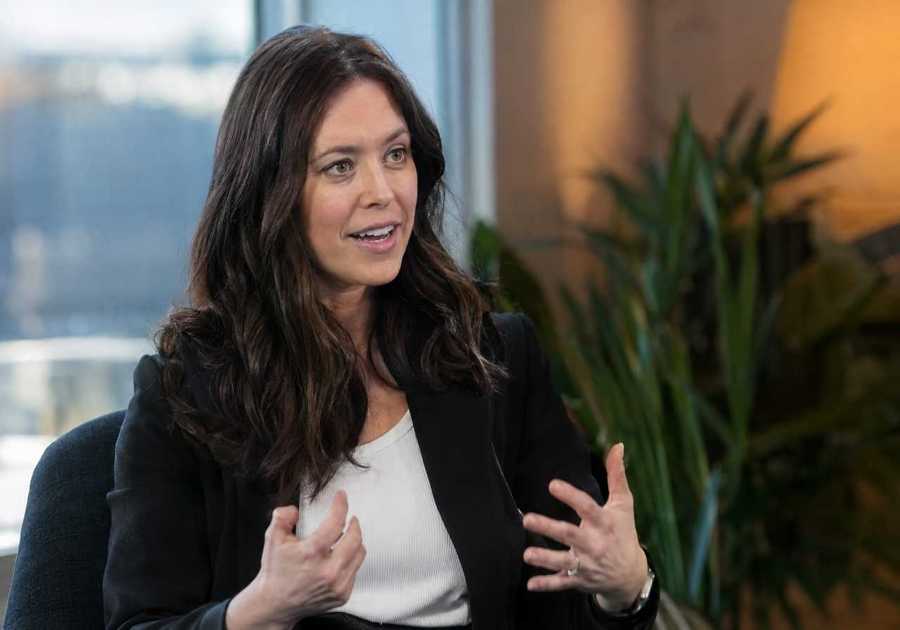
No author photo that led anywhere. No history of bylines I could trace. Just a name, a headshot, and a wall of confident-sounding text.
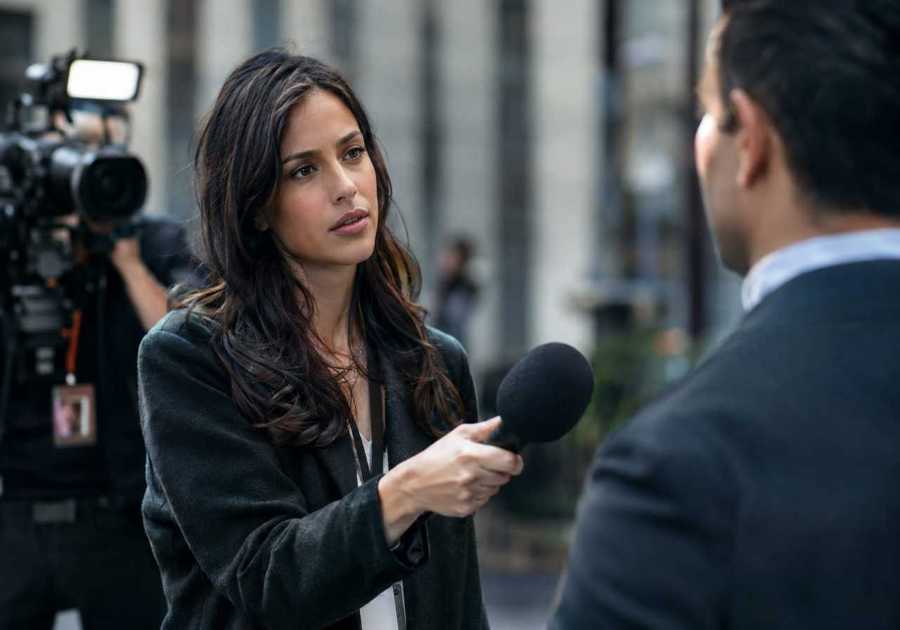
Turns out that's happening more and more. The Global Investigative Journalism Network just put out a piece asking a question I think everyone who reads the news needs to sit with: what happens when the journalist isn't a person at all?
The Problem Isn't New. The Scale Is.
Fake news has been around forever. People have always lied, spun, and exaggerated. That's not new.
What's new is the speed and volume AI makes possible. A single person with the right tools can now spin up dozens of "news" sites, populate them with AI-written articles, invent bylines with AI-generated headshots, and publish faster than any real newsroom ever could.
Why does that matter? Because journalism's whole value proposition is trust. You read a story because you believe someone did the work — made the calls, checked the records, sat across from a source and asked the hard question. If that person never existed, what exactly are you trusting?
Fake Bylines, Real Consequences
Here's what's unsettling: some of these fake journalist personas have bylines on dozens of articles, complete with fabricated bios about years of experience at outlets that have no record of ever employing them.
Readers can't easily tell the difference. Search engines often can't either. And that's the real danger — not that AI can write a paragraph, but that it can impersonate the credibility that took real journalists decades to build.
I've spent years traveling the world, writing about what I see and who I meet. The value of my stories comes from being there — smelling the diesel fumes on a ferry dock in Southeast Asia, sitting with a stranger who became a two-hour conversation. AI can't do that. It can only remix what's already been written by people who did.
So what happens to accountability reporting — the investigations that expose corruption, track government spending, follow the money — when the information ecosystem gets flooded with content that looks like journalism but skipped every step that makes journalism matter?
Why This Hits Harder for Investigative Work
Accountability journalism depends on original digging. Freedom of Information requests. Court records. Whistleblowers willing to risk something to talk to a real person they trust.
AI-generated content doesn't do any of that. It generates plausible-sounding summaries of existing information, sometimes blended with outright fabrication. When that content gets mixed into search results and social feeds alongside real investigative work, it dilutes the signal. Readers start treating everything with the same level of skepticism — or worse, the same level of trust.
That's the quiet danger here. It's not that people will believe one fake story. It's that they'll stop being able to tell the difference between a story that took three months of digging and one that took three minutes of prompting.
What Can You Actually Do?
I'm not going to pretend there's a clean fix. But a few things have helped me stay oriented:
Check whether a byline has a traceable history — other articles, interviews, a LinkedIn that doesn't look brand new.
Look for specificity. Real reporting has names, dates, document numbers, direct quotes that sound like actual humans talking, not polished summaries.
Support outlets and writers you can verify are real people doing real work. That's a small, deliberate choice, but it's one that matters more now than it used to.
I've always believed in going and seeing for yourself — whether that's a city, a culture, or a story. Curiosity means asking who's actually behind the words you're reading, not just accepting them because they're well formatted.
Journalism's future probably isn't AI versus humans. It's going to be about figuring out which combination of the two still earns your trust — and which doesn't.
So next time you read a byline you don't recognize, take thirty seconds. Click around. Ask who this person actually is.
That small habit of curiosity might be the most important skill readers develop in the next five years.
Source: Global Investigative Journalism Network (GIJN)
Before this, we covered: Dua Lipa Defined Cool. Now the Internet's Moving On.