Here's a question worth sitting with: can you actually buy being cool?
For the last few years, the answer's been yes. Pay the right influencer, get the right post, watch the sales roll in. But something's shifting, and it's worth paying attention to — whether you're running a business, building a following, or just trying to figure out why your feed feels exhausting lately.
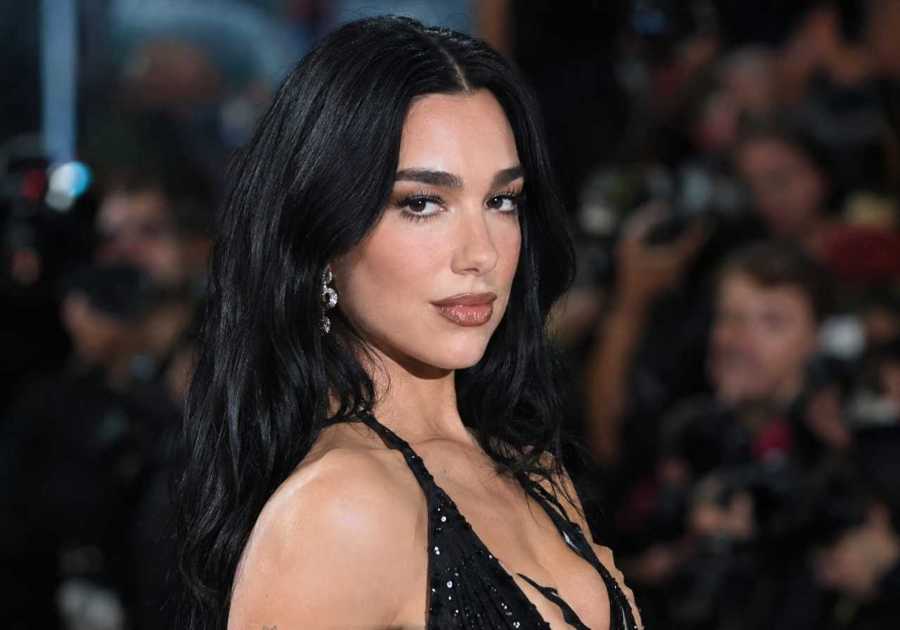
Dua Lipa is the perfect case study. She's a Grammy-winning pop star, sure. But she's also become the person people look to for where to eat, what to read, and where to vacation. She runs a book club where she interviews authors like Margaret Atwood. She's got a lifestyle platform called Service95. She shows up in fashion circles with designer friends. Somehow she's everywhere, and somehow it still feels effortless.
That's the trick. And it's taken a lot of quiet, calculated work to pull off.
The Business of Seeming Effortless
Brand strategist Eugene Healey wrote something interesting recently: every generation gets the cool girl its media deserves. Kate Moss had fashion magazines. The Olsen twins had paparazzi. Alexa Chung had street-style photographers and fashion blogs. Dua Lipa? She was made for the algorithm-driven feed, where interests matter more than who you follow.
That's opened doors. A pop star can suddenly reach book lovers who've never heard one of her songs. Fashion fans who don't care about music. Each new audience is another revenue stream — a newsletter, a cosmetics line, a kitchen tour. Somewhere along the way, having a favorite lip gloss turned into launching a lip gloss company.
Money's followed. U.S. spending on creator advertising is expected to hit $44 billion this year. Back in 2021, it was $13.9 billion. That's more than tripled in five years.
But here's where it gets interesting.
Younger People Are Tired of It
A July survey of 13- to 39-year-olds by YPulse found 62% are sick of seeing the same big names everywhere. And 73% say they trust smaller creators more than the big ones.
That tracks with something I've noticed traveling full-time since 2017: the more polished something looks, the less I trust it. Doesn't matter if it's a destination, a product, or a person. Polish can mean effort. It can also mean performance.
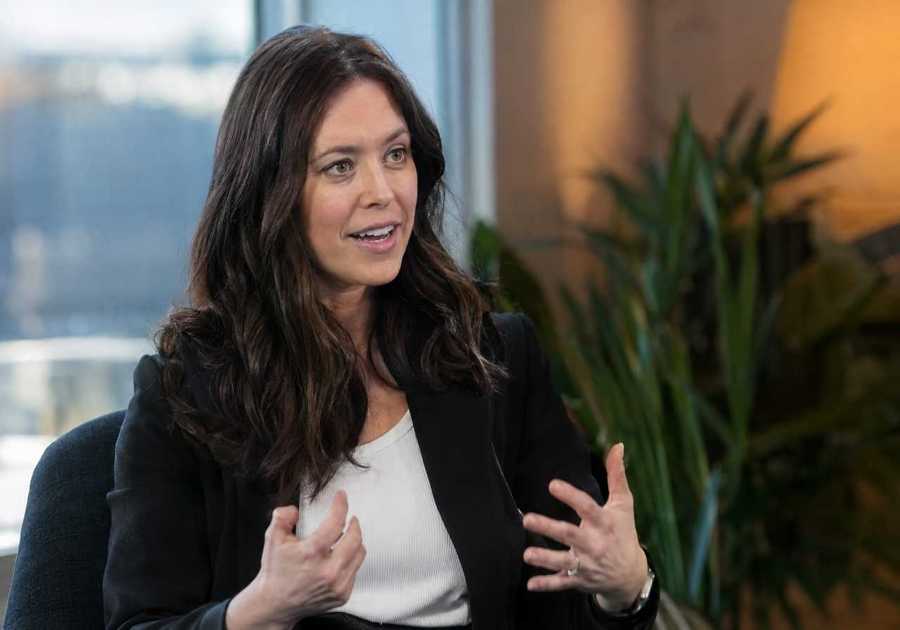
Izzy Farmiloe, who heads strategy at Dazed Studio, put it simply: you can pay for attention, but you can't buy cultural credibility.
Jenna Drenten, a marketing professor at Loyola University Chicago, sees the trap clearly. Influencers are expected to sell what's already popular, while also discovering what's new. She points to BookTok — recommend an obscure novel, and if it catches on, it stops being obscure. The very thing that made it worth recommending disappears the moment everyone's talking about it.
Brands chase the same trap. They hire the same talent, chase the same trends, and end up looking identical to each other. Farmiloe's take? Sometimes silence is the stronger move. And with AI now able to generate flawless images and perfect recommendations on demand, a few mistakes — even a typo — start to feel like proof a real human made something.
What Comes After Cool
So who replaces the Dua Lipa model? Healey names three types: the obsessive, who knows one subject cold; the ghost, whose reputation spreads without constant posting; and the host, who gets people together in real life.
All three share something AI can't easily fake — depth and genuine connection. If machines can summarize the world's knowledge instantly, then cool becomes whatever can't be summarized.
Drenten sees it in people like a longtime librarian who can hand you a book you'd never have found on your own. Farmiloe points to Reference Point, a London library and bar that hosts chess nights and jazz — a place, not a post.
Maybe that's the real shift. Not another product to buy, but a reason to show up.
Farmiloe asked the question that matters here: instead of just getting noticed, how do you get people to actually spend time with you?
That's not a marketing question. That's a life question. And it's one worth asking no matter what you're building — a brand, a following, or just a life you actually want to live.
Source: Fortune
Catch up on our earlier post: When AI Can Design Anything, Adobe, Figma and Canva Bet Big on Business