Ever watched a commercial and wondered if that person is even real?
I have. More than once, scrolling through ads on a long layover or during a slow evening at some roadside motel, I've caught myself squinting at a face that seemed just a little too smooth, a voice a little too perfect. Turns out I wasn't imagining things.
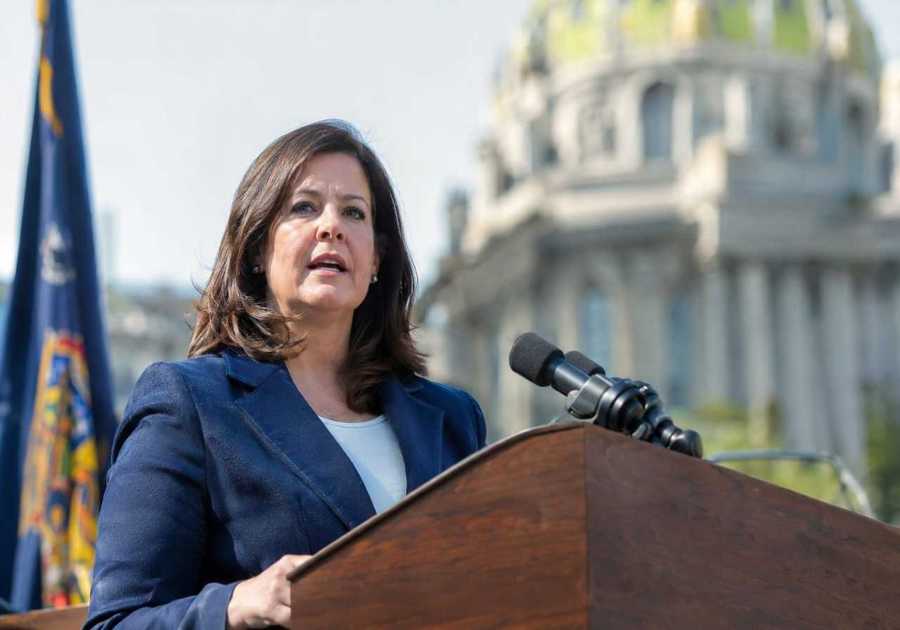
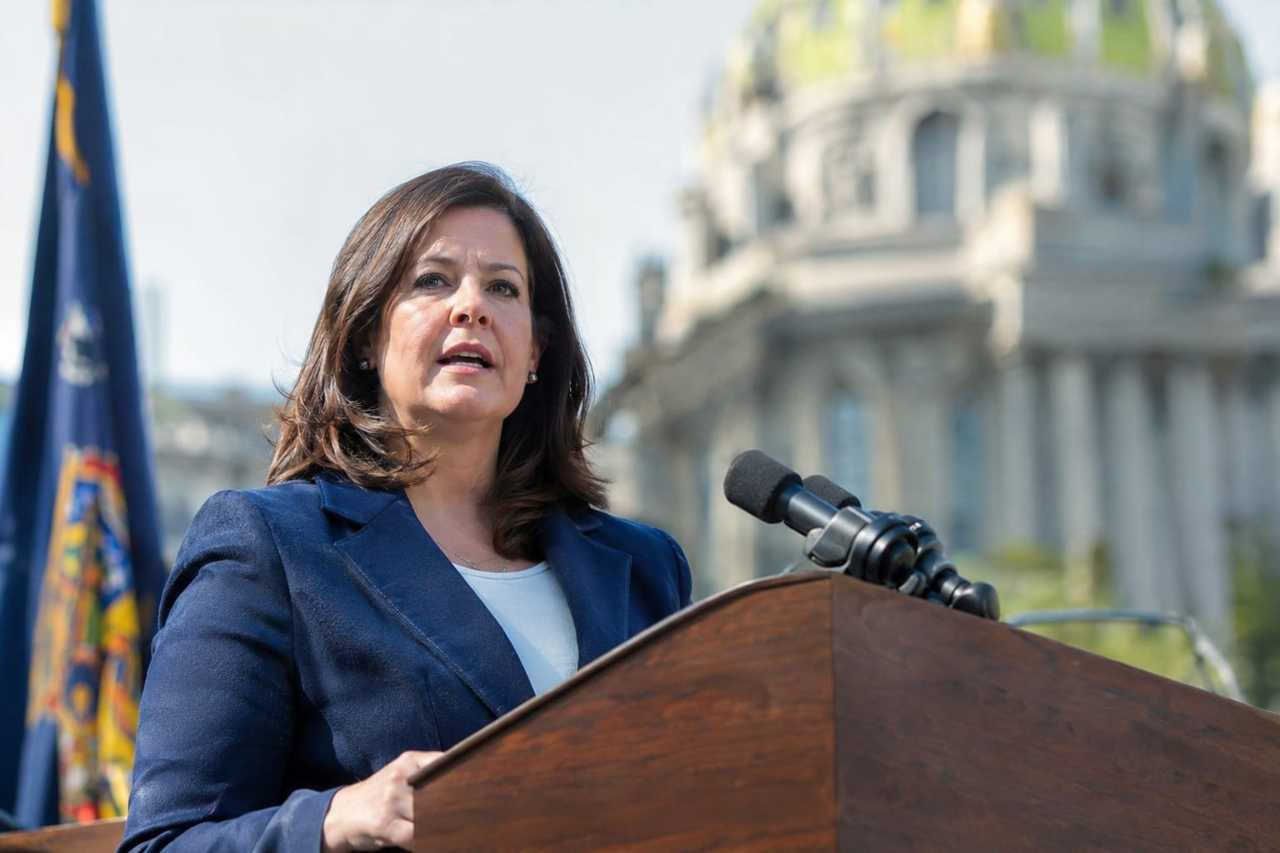
On October 22, 2026, Pennsylvania Governor Josh Shapiro signed Senate Bill 806 into law — officially called the Artificial Intelligence Deceptive Advertising Act, or AIDAA. It joins California and New York in requiring advertisers to admit when they're using AI-generated content. But Pennsylvania went further than the other two states, and that's worth paying attention to.
Why This One's Different
California and New York focused mainly on synthetic human performers — basically, fake people in ads. Pennsylvania's law covers a lot more ground. AIDAA applies to any synthetic content: images, video, audio, anything that's been significantly modified or generated by AI. The only thing exempted is plain text.
So if a company uses AI to tweak a photo, generate a voiceover, or build a video from scratch, they now have to say so — clearly, and where you'll actually see it.
That's the part that caught my attention. Not just "we used AI somewhere in this process," but a specific, required disclosure: "the advertisement contains content that was modified or generated using artificial intelligence." It has to show up the first time you encounter the synthetic content, in the same medium you're consuming it in, and whenever possible, it has to be permanent — not something easily stripped out or edited away later.
What Counts as "Clear and Conspicuous"
Here's where it gets interesting. Pennsylvania didn't just say "disclose it." Lawmakers spelled out exactly what counts as a real disclosure. It has to be big enough, loud enough, and placed well enough that an average person would actually notice and understand it. No burying it in tiny gray text at the bottom of the screen for half a second. No whispering it under a jingle.
If it's audio, it has to be loud enough and paced slowly enough to understand. If it's visual, it has to stay on screen long enough to read. If it's print, it needs contrast against the background so it doesn't disappear.
There are a few exceptions. Content that's obviously fictional, parody, satire, or commentary doesn't need the disclosure. Neither does anything that's just text. But if a brand is leaning on AI-generated visuals or sound to sell you something and hoping you won't notice? That loophole just closed in Pennsylvania.
Who's Watching, and What Happens If They Don't Comply
The law takes effect December 21, 2026 — sixty days after it was signed. Enforcement falls to the Pennsylvania Attorney General or local district attorneys. Penalties include injunctions to stop the ads, civil fines up to $3,000, plus attorney fees and court costs.
Three thousand dollars might not sound like much to a big ad agency, but stack that across a national campaign running in multiple states, and it adds up fast — especially once California, New York, and Pennsylvania all want their own version of honesty baked into your marketing.
Why This Matters to You
I've spent years on the road, meeting people, trying new things, making decisions based on what I see and hear — a review, a recommendation, an ad for a gear shop in some small town. Trust is the currency that makes independent travel, or honestly any kind of decision-making, work. If I can't tell what's real anymore, that currency loses value fast.
This law isn't really about Pennsylvania. It's about a pattern. Three states have now said the same thing in slightly different ways: if AI touched it, say so. More states will likely follow.
So here's my question for you: next time you see a flawless face selling you something, are you going to look a little closer? I know I will.
Source: Mayer Brown
Earlier in this series: Reddit's COO Says You Never Age Out of the Internet's Weirdest Neighborhood