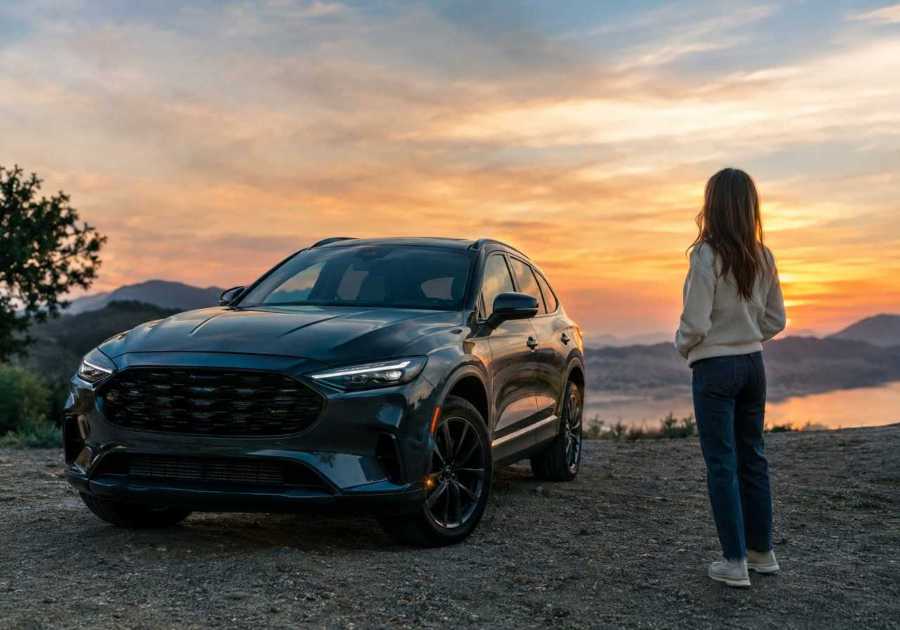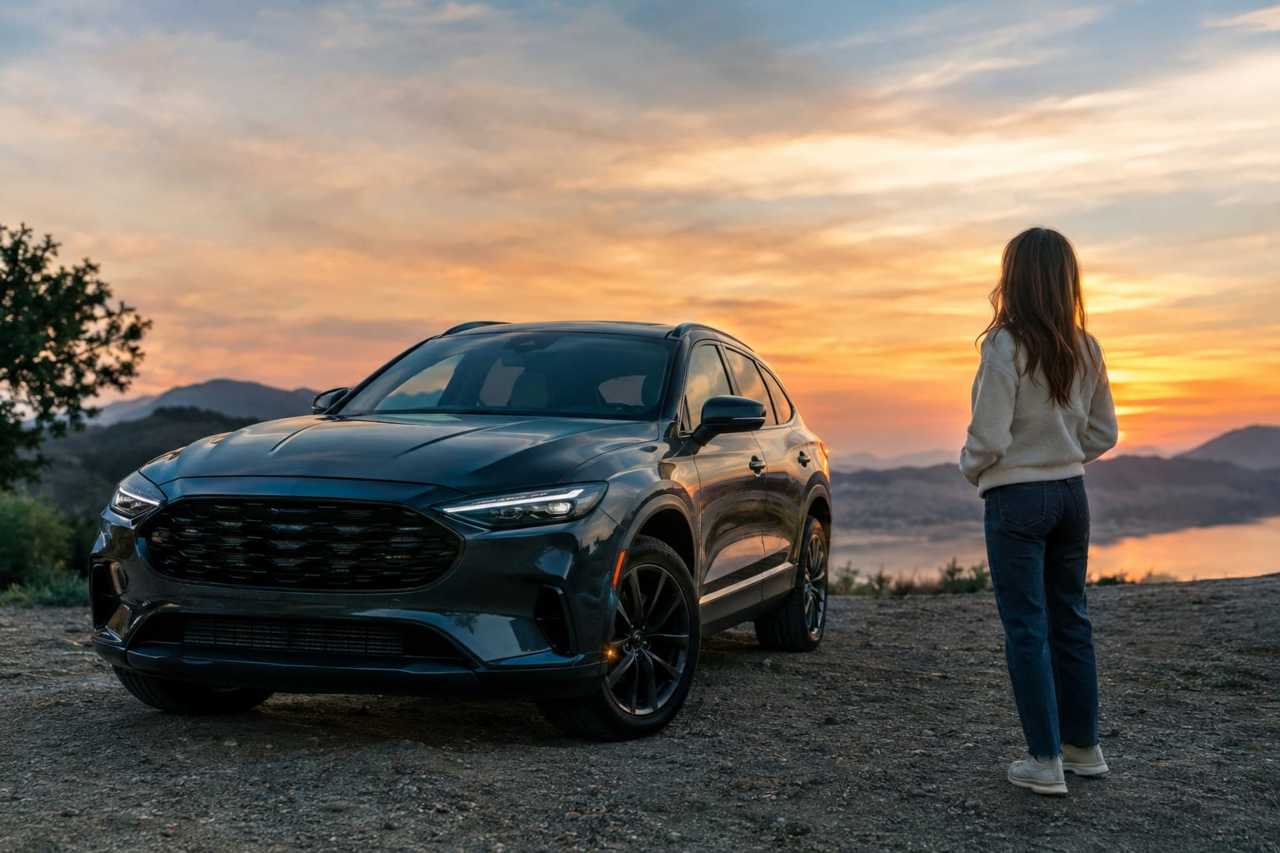
I saw an ad the other day for a truck that looked perfect. Too perfect. The lighting was flawless, the landscape behind it looked like something out of a travel magazine, and something about the whole thing just felt... off. Turns out my gut was onto something.
A new report from research company Cint says I'm not alone in that feeling. And if you run a dealership, or you're just someone who buys a car every few years, this matters more than you'd think.
The Trust Gap Nobody's Talking About
Cint surveyed 1,000 U.S. consumers for a study called "The Authenticity Audit: AI, Advertising, and the New Rules of Consumer Trust." The headline number: 74% of people think brands have a duty to tell you when AI made the ad you're looking at.
Here's the part that should grab a dealer's attention. 44% said finding out a brand hid its use of AI would make them trust that brand less. And when people were asked what tanks their trust fastest, undisclosed AI content came in at 43%, beating out sketchy influencer partnerships and disguised sponsored posts.
Why does that surprise me? It doesn't, really. People don't mind technology. They mind being fooled by it.
What People Actually Dislike
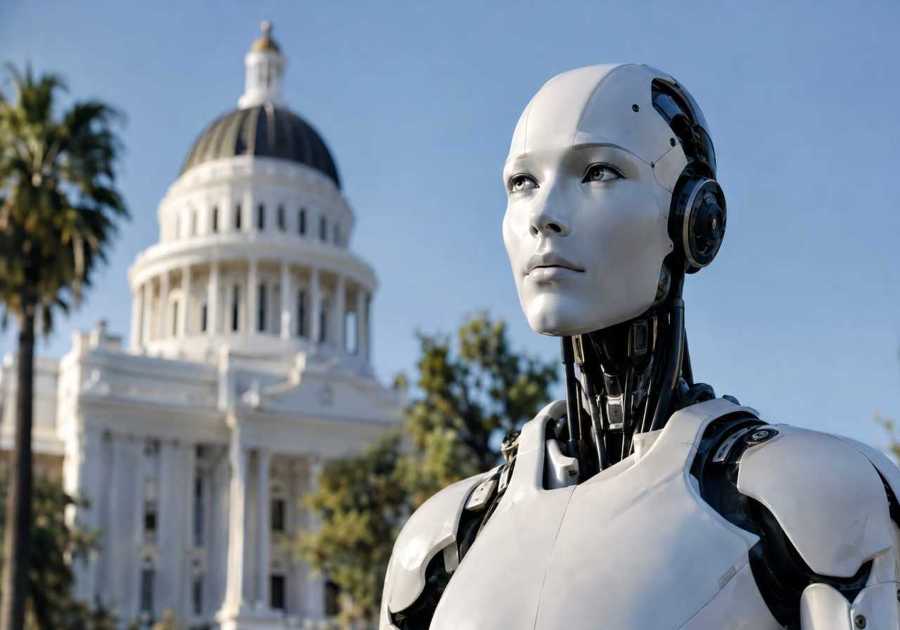
Dig into the details and it gets more specific. 46% of respondents said they dislike seeing AI-generated people in ads. Synthetic humans, basically. Faces that don't belong to anyone, smiling at you from a screen, trying to sell you a car.
Interesting twist, though: 40% said they actually like AI-generated landscapes. A beautiful mountain backdrop behind a pickup truck? Fine. A fake salesperson pretending to greet you? Not fine.
So it's not AI itself people are rejecting. It's the illusion of a relationship that isn't real.
About 30% said they're very or extremely concerned about AI in advertising overall. 36% called AI-made ads untrustworthy. 28% called them inauthentic. Those aren't small numbers for an industry built on relationships and handshakes.
Dealerships Are Moving Fast Anyway
Here's where it gets interesting for auto retail specifically. A 2025 Kerrigan Advisors survey found 43% of dealers are already using AI in their businesses, and another 47% plan to start. Only 10% said they have no plans to touch it at all.
Meanwhily, an IAB report from early 2026 found 83% of advertising executives say their companies now use AI somewhere in the creative process. That's up from 60% just two years earlier, in 2024.
So the technology is moving at full speed. Consumer trust isn't necessarily moving with it.
Ariel Madway, Director of Brand Experience at Cint, put it simply: AI gives advertisers the ability to produce content faster and at greater scale, but that same speed can alienate the very people you're trying to reach. Transparency, she said, plays a real role in keeping that trust intact.
Why This Matters to You
I've spent years living off word-of-mouth trust. Booking a guesthouse in a town I've never been to. Hiring a driver I found through a Facebook group in rural Mexico. None of that works without some baseline honesty between two parties. Dealerships run on the same currency.
If you're shopping for a car and you see a flawless ad with a flawless "salesperson" who doesn't actually exist, how does that make you feel about the dealership behind it? For nearly half of consumers, according to this study, it makes them trust that dealership less.
That's a fixable problem. A simple disclosure, a line of text, an honest "this image was created with AI," might be all it takes.
The dealers who figure that out early aren't going to lose anything by using AI faster or cheaper. They're going to gain something: credibility in a market that's starting to pay closer attention than ever.
Technology keeps changing. People's instinct for honesty doesn't. Maybe the real question isn't whether to use AI in your ads. It's whether you're willing to be upfront about it.
Source: Car Dealership Guy News
Earlier in this series: Who Really Owns Your Words Once Meta Gets Its Hands on Them?