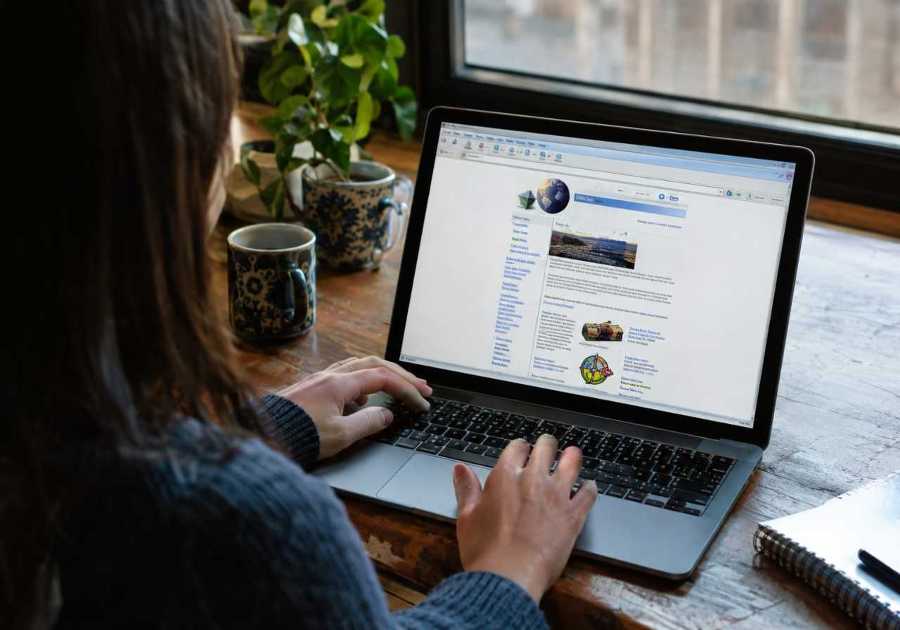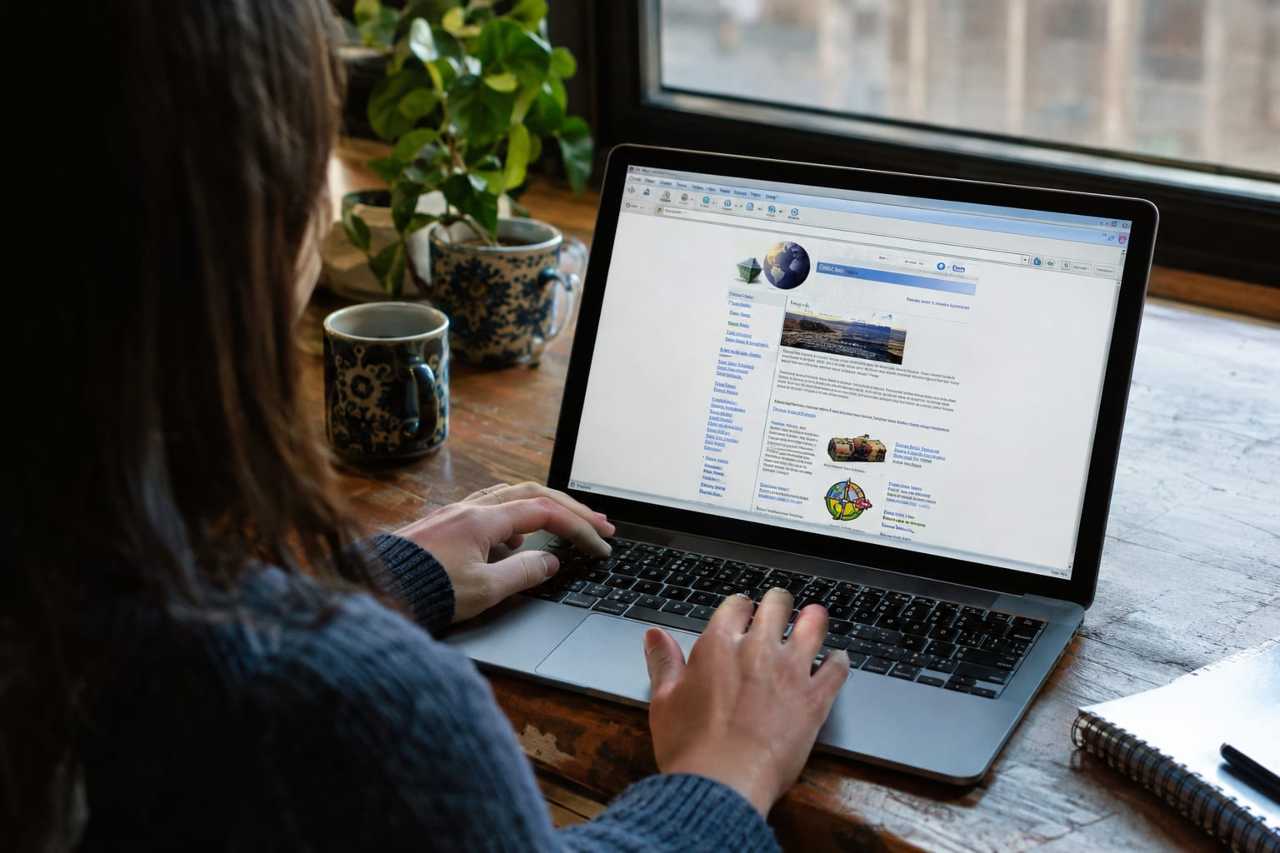
Remember when the internet felt like yours?
Before every click got tracked, every search got sold, and every page tried to guess what you'd buy next? Firefox wants you to remember that too. And they're using some familiar faces to do it.
Mozilla just launched a new campaign bringing back old-school internet icons. Think the kind of nostalgic web imagery that made the early internet feel weird and fun and a little bit lawless. The pitch is simple: the internet used to belong to the people using it. Somewhere along the way, it started belonging to whoever could track you the best.
I've been thinking about this a lot lately, mostly because I spend half my life on hotel WiFi in places where I have no idea who's running the network.
Here's the thing about traveling full-time since 2017 — you get real comfortable, real fast, with the idea that your data is a commodity. Every airport lounge, every co-working space in Chiang Mai, every sketchy café WiFi in some town I can't pronounce — somebody's collecting something. The question is always: what, and who's buying it?
So when Firefox says they're taking a stand against tracking and, now, against AI scraping your data without asking, I pay attention. Not because I think one browser is going to fix the internet. But because it's a reminder that we still have choices.
The AI Part Is New, and It's the Interesting Part
Anti-tracking campaigns aren't new. Browsers have been fighting that battle for years. What's different here is the anti-AI angle.
AI companies are hungry for data. Your searches, your clicks, your browsing habits — all of it is potential training material for systems you never agreed to feed. Firefox is positioning itself as the browser that says, "Not without asking."
Is that going to stop the AI data gold rush? Probably not entirely. But it raises a question worth sitting with: who gets to decide how your information gets used? You? Or whoever can scrape it fastest?
I don't have a tidy answer. I'm not anti-AI — I use tools built on it every week to plan routes, translate menus, and figure out visa rules in countries where the government website hasn't been updated since 2013. But there's a difference between using a tool and being used by one.
Why Nostalgia Is the Right Move
Bringing back old internet icons is clever, honestly. It's not about nostalgia for nostalgia's sake. It's about reminding people what got lost.
The early internet was clunky, slow, and occasionally embarrassing. But it felt like an open road. You went where you wanted. Nobody was following you around, building a profile, selling your next move to the highest bidder.
That's the same feeling I chase when I travel. Freedom to go where I want, when I want, without somebody else's algorithm deciding what I should see next. Maybe that's why this campaign resonates with me more than the usual tech headline.
So What Does This Mean for You?
You don't have to switch browsers to get the point. The real question Firefox is asking is bigger than which logo sits in your taskbar.
It's this: how much of your digital life are you handing over without even checking the terms?
Most people don't read privacy policies. I get it — I don't always either. But every so often it's worth asking, "What happens if I actually paid attention to this?" What would change if you picked tools, browsers, apps, that respect your independence instead of quietly mining it?
At almost 70, I've learned that independence isn't something you get once and keep. You have to keep choosing it. Same goes for your data, your attention, your time online.
Firefox bringing back old internet icons isn't going to change the industry overnight. But it's a nudge. A reminder that the internet used to feel like an adventure, not a surveillance system.
Maybe it's time to ask what kind of internet you actually want to explore next.
Source: Mashable
Missed the last one? Meta's New Pet App for Kids Is Cute, Cuddly, and Collecting Your Data