Imagine watching the news and seeing the governor of your state cheerfully confess to a pile of scandals he never actually committed. That's exactly what's happening in Pennsylvania right now, and here's the kicker: it's completely legal.
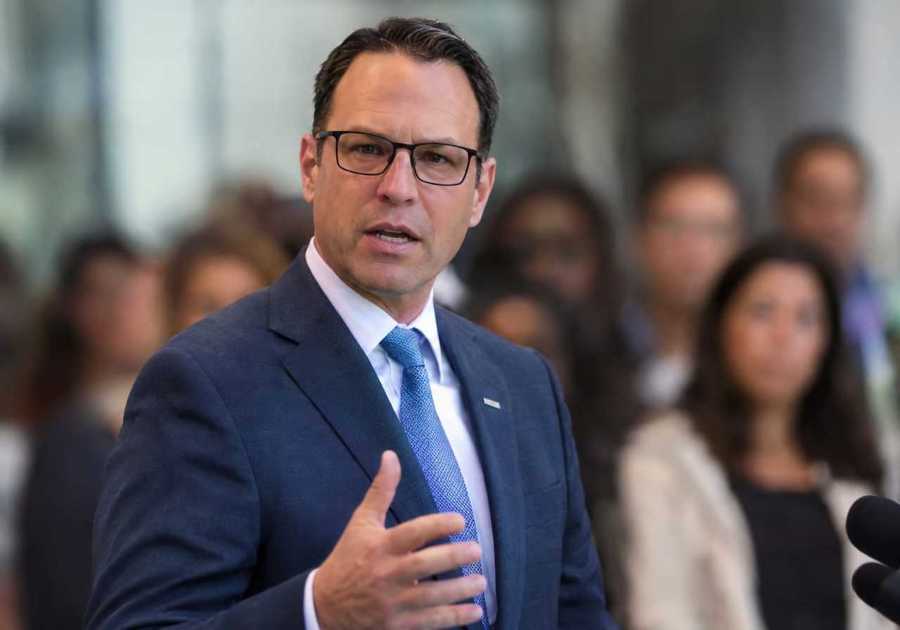
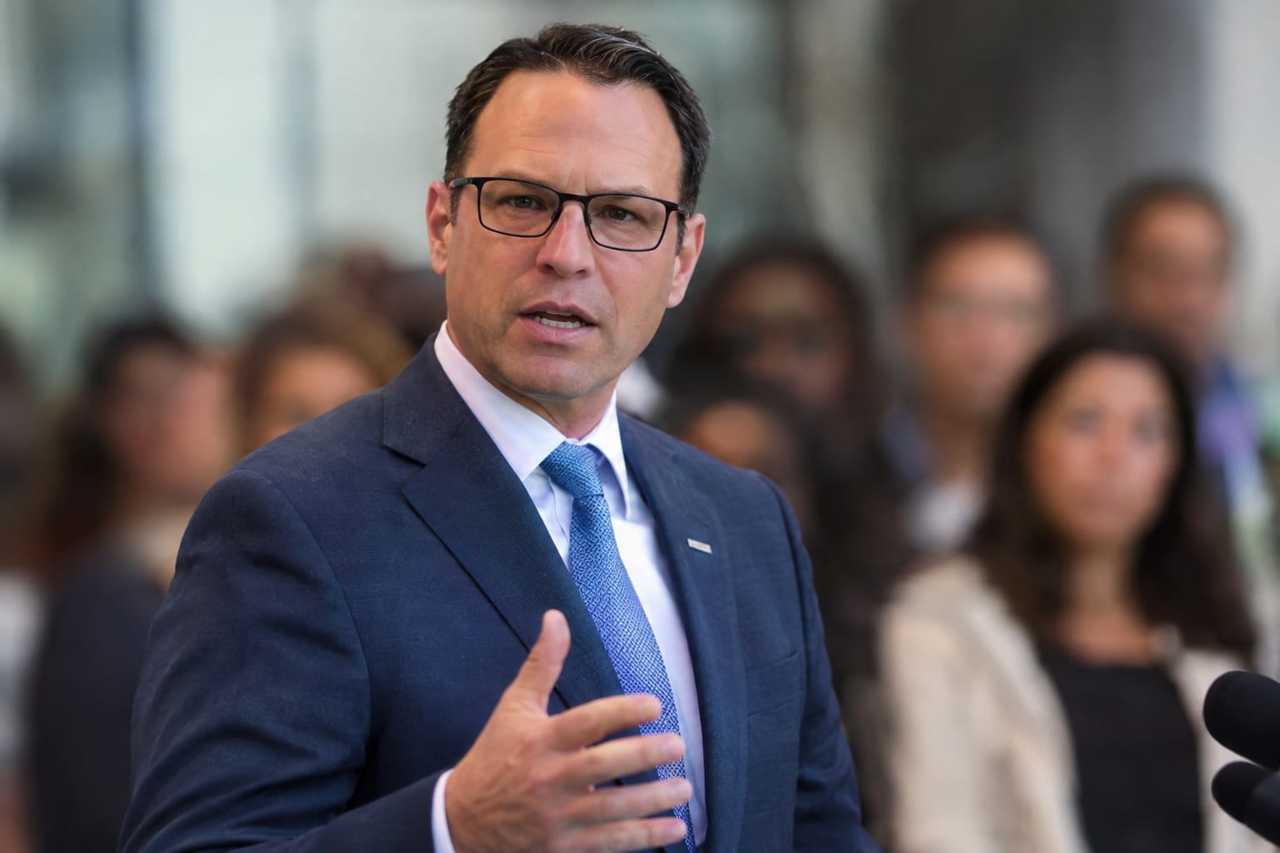
The ad in question comes from Republican gubernatorial candidate Stacey Garrity, Pennsylvania's treasurer, who's running against Democratic Gov. Josh Shapiro in 2026. It opens with an AI-generated version of Shapiro smiling into the camera and saying, "Hello there! I'm Josh Shapiro. And I've been very busy." From there, the fake Shapiro proudly rattles off a list of alleged scandals.
It's weird. It's unsettling. And a lot of people noticed right away.
People Spotted the Fake Fast
Oona Darling, from West Philadelphia, didn't mince words. "My initial gut reaction is - ew, AI, oh no," she said. Lillian Jones of North Philadelphia felt the same. She said she didn't like the ad, and when asked if she could tell quickly it was AI-generated, her answer was simple: "Yes."
About 40 seconds in, the ad does come clean, flashing a disclosure: "This ad was created with AI, thanks to big beautiful data centers." A little sarcasm baked right into the fine print.
Darling's reaction to all this? "That seems like something that should not be legal."
Here's the thing though. In Pennsylvania, it is legal. There's currently no state law banning AI-generated content like this in political ads.
Why TV Stations Can't Just Say No
A lot of viewers have asked the obvious question: why would a TV station even air something like this? The answer comes down to federal broadcasting rules. Stations are required to run ads from legally qualified candidates and can't censor or reject them. If some outside group had made this ad instead of the candidate's own campaign, stations might have more room to refuse it. But because it's Garrity's campaign behind it, their hands are tied.
That's a strange loophole when you think about it. The rule was built to protect candidates from biased gatekeeping at local stations. Nobody was thinking about AI deepfakes when they wrote it.
The Law Is Playing Catch-Up
Pennsylvania state Senator Lisa Boscola put out a memo back in May saying she plans to introduce legislation banning AI deepfakes that target candidates during election season. Delaware's already ahead on this one. Over there, it's illegal to distribute a deepfake of a candidate within 90 days of an election unless it's clearly labeled as AI-generated.
Lindsay Hoffman, a communications professor at the University of Delaware, says this is just how it always goes with new technology. "I think that what will happen is - at a much slower pace, the laws will catch up to it, but by that time we're gonna be facing a different technological challenge," she said.
Interestingly, Hoffman thinks this ad being so obviously fake might actually do some good. It's a wake-up call. "I think in some ways it might be useful for this to be a relatively obvious fake because it does alert people to the fact that these things do exist and that they will get better and better and better," she said.
What the Campaigns Are Saying
Shapiro's campaign called the ad "cheap" and "dishonest" in a statement to Axios. Garrity's spokesperson, Matt Beynon, fired back, telling Action News: "It's telling that Josh Shapiro's only complaint with Treasurer Garrity's new ad is that he was depicted using AI. He has never refuted a single criticism made in the ad because he knows they're all completely accurate."
Classic political back-and-forth. Except now there's a fake video thrown into the mix.
So What Does This Mean for You?
Hoffman's bigger point is the one worth sitting with. AI isn't some brand-new monster. It's just the latest tool people will use to spin the story, same as every technology before it. "People should already be skeptical when they're seeing political ads," she said, "but I think that this just makes it even more important."
I've spent years traveling and talking with people from wildly different backgrounds, and one thing holds up everywhere: the folks who stay curious, who ask questions instead of taking things at face value, are the ones who don't get fooled. That's not an AI problem. That's a paying-attention problem.
So next time a political ad pops up looking a little too polished or a little too strange, ask yourself: is this real, or is someone just getting very good at making things that aren't?
Source: 6abc Philadelphia
If you missed it: Your Brand Budget Just Became "Miscellaneous." Here's Why That's a Problem.