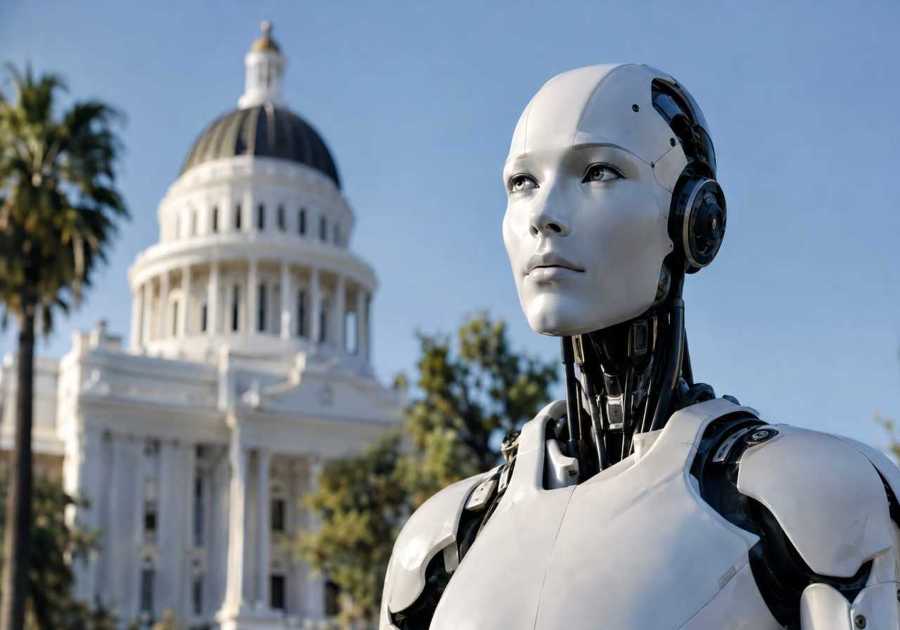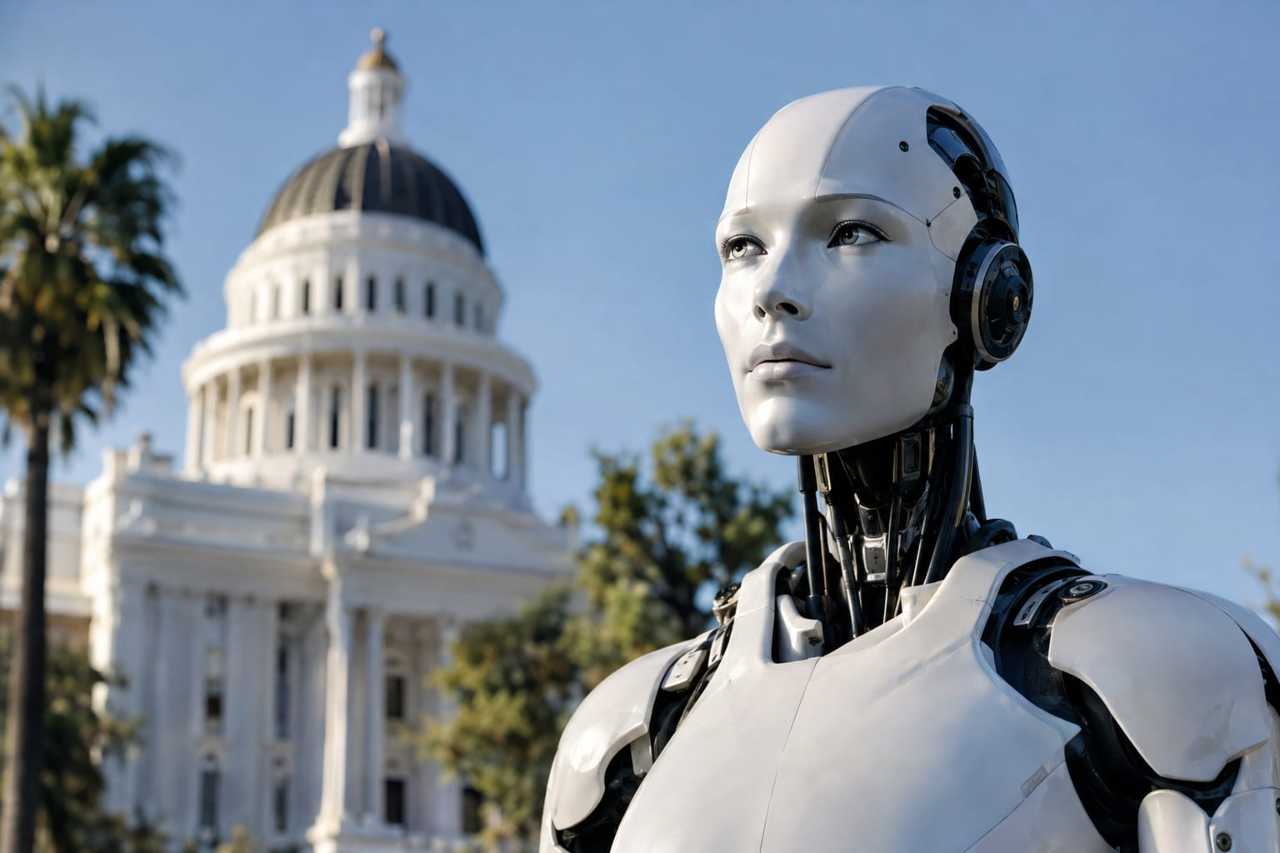
I was chatting with a hotel's customer service "agent" last month in Lisbon, asking about late checkout. Fast replies, friendly tone, perfect grammar. Was I talking to a person or a program? I genuinely couldn't tell. And that's exactly the problem California just decided to fix.
Governor Gavin Newsom signed three new AI laws this fall, and together they draw a hard line around something that's been getting blurrier by the month: knowing when you're dealing with a machine instead of a person.
Why does this matter to you? Because whether you're booking a flight, watching an ad, or asking a chatbot to fix your billing problem, you deserve to know what's actually on the other end.
The Transparency Law That Covers Almost Everyone Now
First up is SB 1000, which amends California's existing AI Transparency Act. It took effect immediately when signed on September 30, 2026. No waiting period, no grace year.
Here's the interesting part: the old law only applied to AI systems with more than a million monthly users. That threshold is gone now. If your generative AI system is publicly accessible in California, you're covered, period. Small players don't get to hide behind low traffic numbers anymore. Only assistive technology gets a pass, and just until January 1, 2029.
What does compliance actually look like? Any image, video, or audio content the system creates or alters needs a "latent disclosure" baked in, wherever that's technically possible. Think of it like a digital watermark that identifies the provider, the AI system and version, when it was made or altered, and a unique ID tag.
Companies also have to build a free, public verification tool so anyone can check whether a piece of content was AI-made. That tool has to stay clean of personal data, unless the person it belongs to specifically consents to having it shown.
Fake Faces in Ads Now Need a Label
The second law, SB 1050, targets something I find genuinely curious: synthetic performers in advertising. Signed September 16, 2026, it kicks in January 1, 2027.
If a company runs an ad in California featuring a synthetic performer, whether that's an AI-generated face or an AI voice-over, the ad needs a clear disclosure near that performer, visible long enough for a normal person to actually notice and understand it.
What counts as a synthetic performer? A digital figure or voice built through AI or machine learning that looks or sounds human, but isn't modeled on any real, identifiable person. That last part sets California apart. New York, Tennessee, and Washington built their deepfake laws around protecting real people's likenesses. California's approach covers invented humans too, the ones who never existed at all.
Chatbots Can't Pretend They're People
The third law, AB 1609, signed September 28, 2026, is the one that'll hit the most familiar territory: customer service chatbots. It applies starting January 1, 2027, to large private businesses pulling in more than $500 million in national annual revenue and serving California customers.
Under this law, a company can't claim its chatbot is human. And if a reasonable person might mistake it for one, the business has to disclose that it's AI, right there in whatever medium the conversation happens in, text, voice, whatever.
There's a real teeth here too. These companies must offer a way to request a human during regular business hours, make a good-faith effort to connect you with one within 15 minutes, and if that's not possible, let you schedule an appointment within one business day.
So What Happens Next?
I've spent eight years traveling full-time, trusting strangers, apps, and algorithms in dozens of countries to help me get where I'm going. Trust only works when you know what you're trusting. These three laws are California betting that AI only earns long-term trust when it's honest about being AI.
More states will likely follow this pattern soon. If you run a business touching California customers, now's the time to check your chatbots, your ad campaigns, and your content tools before the clock runs out.
The real question worth asking yourself: next time something online feels a little too smooth, a little too perfect, are you going to ask who, or what, you're actually talking to?
Source: The National Law Review
Related reading from us: Etsy Just Rewrote the Rules on Your Photos—Did You Even Notice?