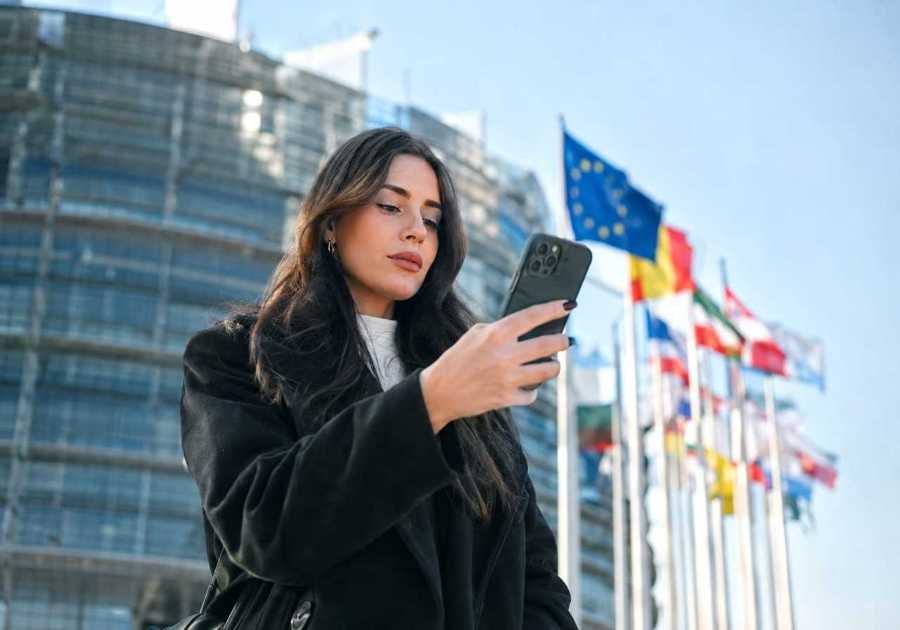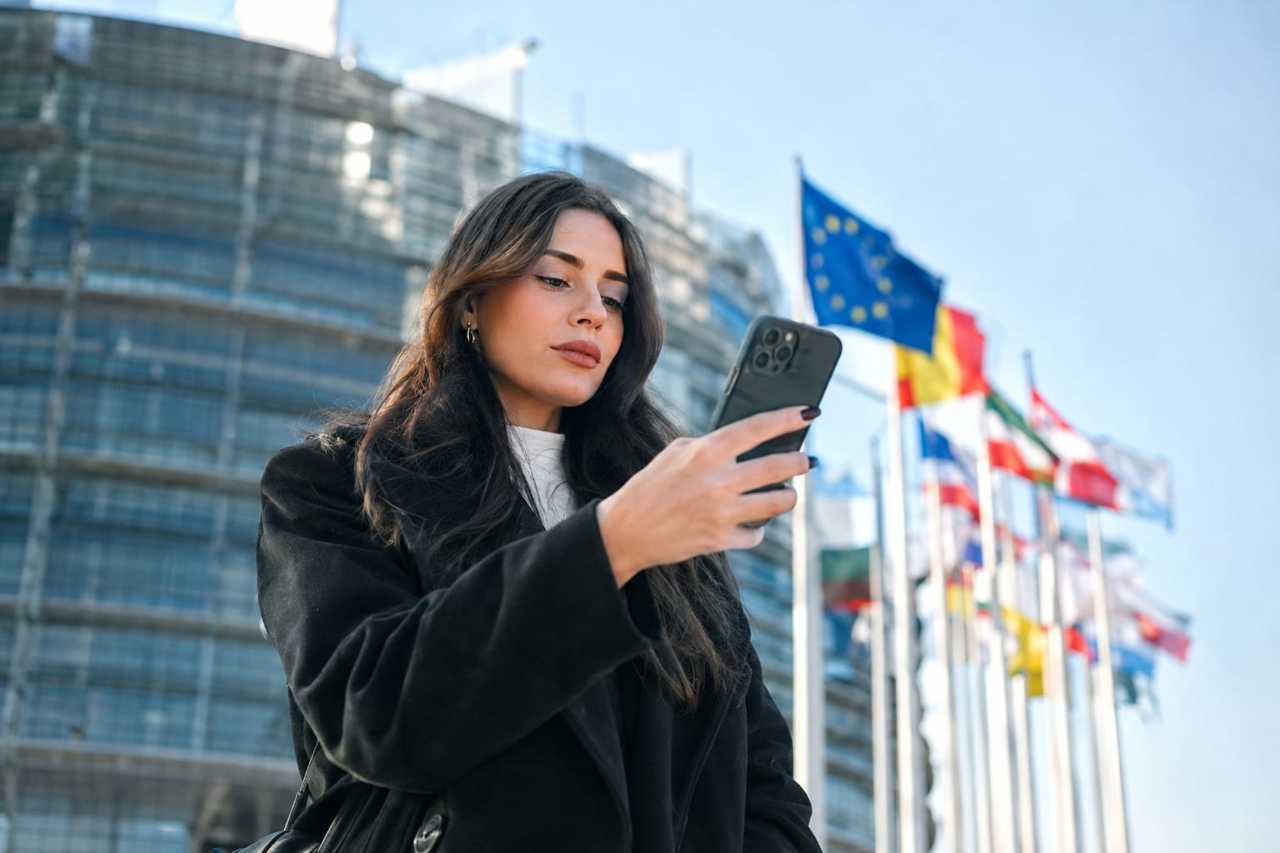
Ever scroll through Instagram and wonder if that glowing review is real — or paid for?
Yeah, me too. And apparently, so does the European Union.
AFP.com is reporting that the EU plans to crack down on influencer marketing. No surprise, really. The industry's been growing wild for years, with barely any rules keeping up with it. Someone with a following and a ring light can make more promising "miracle" skincare or "can't-miss" travel deals than most ad agencies ever could — often without telling anyone they're being paid to say it.
I've Seen This From Both Sides
I've been on the road full-time since 2017, writing about places, gear, and experiences along the way. Brands reach out. Some want honest reviews. Some want glowing ones, whether they're true or not. You learn pretty fast who's asking for your opinion and who's asking for your silence on the parts that don't flatter them.
That's the heart of what the EU seems to be targeting — transparency. Did a company pay for this post? Did they send free stuff? Is this "review" actually an ad with better lighting?
Why does that matter? Because trust is the whole game. If you can't tell when someone's being paid to like something, how do you know what to believe?
The Problem With Unregulated Hype
Think about how much decision-making now runs through a feed. Where to eat. What supplement to take. Which suitcase to buy before a trip. Which "hidden gem" destination to add to your bucket list.
Influencers didn't invent persuasion, but they perfected it — personal, relatable, feels like a friend's tip instead of an ad. That's exactly what makes it powerful. And exactly what makes it risky when nobody's checking the receipts.
The EU's apparently decided enough is enough. Clearer disclosure rules, accountability for misleading claims, maybe penalties for brands and creators who blur the line between opinion and advertisement.
Good. Long overdue, if you ask me.
What This Means for You
If you follow influencers — and honestly, who doesn't these days — tighter rules mean a better chance you're getting real information instead of a paid script dressed up as advice.
If you create content, even casually, it means paying attention. Disclosure isn't a suggestion anymore. It's becoming law. Slapping "#ad" in tiny gray text buried under twelve hashtags probably won't cut it for much longer.
I get asked sometimes if I worry about rules like this affecting how I write. Honestly? No. I've never wanted to be the guy pretending a hotel was amazing because they comped my room. If something's mediocre, I say so. If a product breaks on day three of a trip, you'll hear about it. That's not a moral high horse — it's just better information for you, the reader, who's trying to decide something real with your own money and time.
So What Happens Next?
This is the EU, so expect movement in stages — guidelines first, then enforcement, probably uneven across member countries at the start. But the direction is clear: influencer marketing is heading toward the same transparency standards as traditional advertising.
Will other countries follow? Almost certainly. Regulation tends to spread once one major market sets the tone.
Here's my question for you: does it change how you follow influencers, knowing the wink-wink sponsorship game might finally get called out?
I think it should. Not because influencers are bad — plenty are honest, curious people doing interesting work, same as me. But because you deserve to know which recommendations come from genuine experience and which ones come from a paycheck.
Adventure, travel, gear, life advice — all of it hits different when it's real. That's always been the point of what I do out here on the road. Curiosity first. Honesty always. The rest tends to sort itself out.
So next time you see a post that feels a little too perfect, ask yourself: who's really talking here — the person, or the sponsor?
Source: AFP.com
Still catching up? Start with Coframe Just Raised $35 Million to Make Websites That Rewrite Themselves