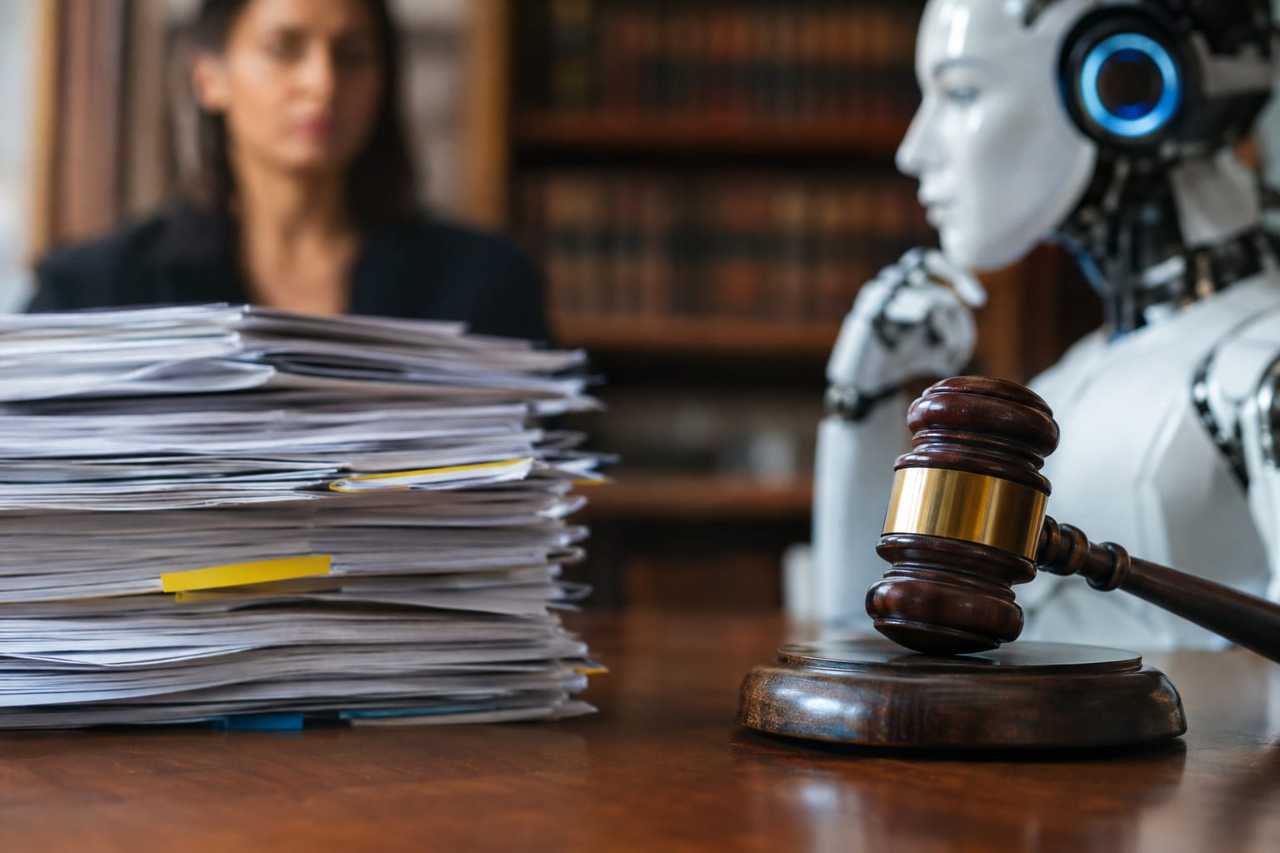
Here's a question worth asking: if a machine reads your work without asking, and then sells answers based on what it learned, who owes who?
That question is turning into a full-blown legal traffic jam. The latest additions: a group of US newspapers has sued Brave Software, and a batch of Canadian publishers has gone after Anthropic. Press Gazette has been tracking this whole mess, and the list keeps growing.
Why This Keeps Happening
I write for a living. Every article I publish takes time, research, and a point of view that didn't exist before I sat down and typed it. So I get why publishers are furious.
AI companies have been scraping the internet for years, building massive language models by feeding them, well, everything. News articles. Blog posts. Recipes. Travel guides. All of it, hoovered up to train chatbots that can now answer questions in seconds without ever sending a reader to the original source.
That's the part that stings. No click. No ad revenue. No subscription. Just the content, repackaged, with the original creator cut out of the deal entirely.
Brave Software makes a privacy-focused web browser, and it's built AI search tools into that browser. US newspapers are now arguing those tools use their journalism without permission or payment. Meanwhile, up north, Canadian publishers are making a similar case against Anthropic, the company behind the Claude chatbot.
Same argument, different defendants. That's the pattern across this entire wave of lawsuits: take without asking, and eventually someone's going to knock on your door with a lawyer.
Suing vs. Signing
Here's what's interesting, though. Not everyone is suing. Some publishers are cutting deals instead.
Think about it like this: you can fight someone for driving through your yard, or you can put up a toll booth. Several major publishers have already signed licensing agreements with OpenAI and Google, getting paid for the use of their content instead of taking the companies to court.
So the industry has split into two camps. One is fighting in courtrooms, arguing that AI training on copyrighted material without consent is theft, plain and simple. The other is negotiating, figuring if the technology isn't going away, they might as well get paid for being part of it.
Which approach is smarter? Honestly, I don't think anyone knows yet. We're in uncharted territory, and both strategies are bets on how courts and the market will eventually sort this out.
Why This Matters to You
You might be thinking, this is a fight between giant media companies and giant tech companies. Why should I care?
Because this fight determines what the internet looks like for the rest of us.
I spend a lot of time researching destinations, visa rules, border crossings, and local customs for places I'm about to visit. More and more, that research starts with an AI chatbot instead of a search engine. If those chatbots are trained on quality journalism, built with reporters who've actually been there, that's good for me. I get better answers.
But if publishers can't survive because AI companies are using their work for free, there's less original reporting to learn from in the first place. The well runs dry. Then the AI has nothing fresh to draw from, and the answers get stale or just plain wrong.
That's the trade-off nobody's talking about enough. Good information requires people on the ground doing real work. Someone has to pay for that work to keep happening.
What Happens Next?
I've built a life around chasing information, going places, asking questions, and figuring things out as I go. At almost 70, I'm still curious about how the world works, and that curiosity depends on good sources existing.
So watch this space. More lawsuits are coming. More deals will get signed. And somewhere in the middle of all that legal wrangling, the rules for how AI and journalism coexist are getting written in real time.
The only thing I'm sure of? Whoever figures out the right answer first is going to shape how the rest of us learn about the world for years to come.
Source: Press Gazette
Related reading from us: How Small Businesses Are Using AI to Act Like the Big Guys