Here's a question worth asking: how much AI-generated stuff is actually in your kid's social media feed right now?
Most parents have no idea. I didn't either, until I started digging into this story.
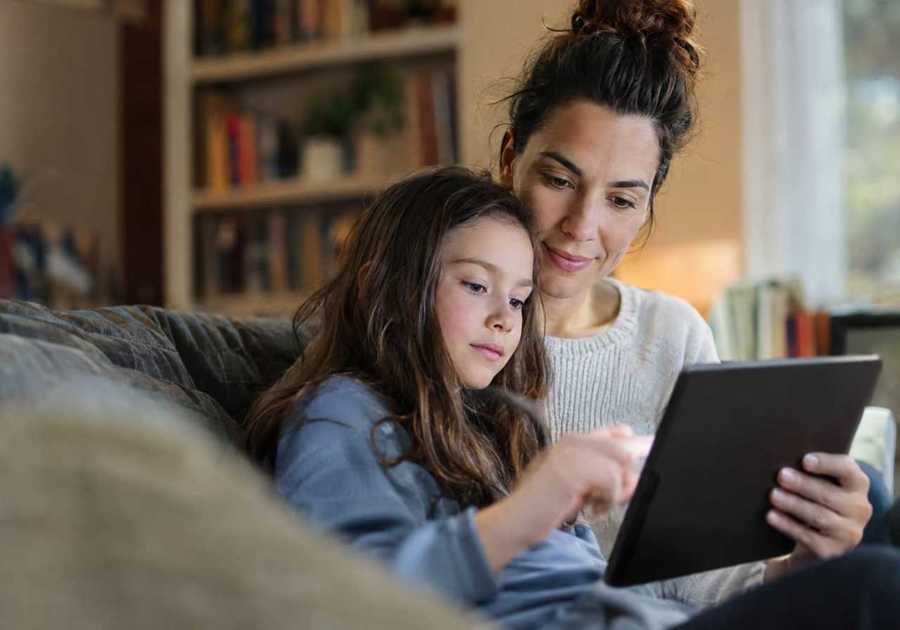
Pinterest announced this week that it's rolling out new parental controls, and buried in the list is something genuinely different. Parents can now dial down how much AI-generated content shows up in their teen's feed. Not just block a chatbot. Not just limit a specific AI feature. The actual flow of AI-made images and videos that fills the scroll.
That might sound like a small thing. It's not.
Why This Matters More Than It Sounds
Think about how most platforms have handled AI so far. Snap let parents stop their kid from chatting with its AI bot. Meta paused teens' access to AI characters after parents complained. WhatsApp lets parents control whether their teen can use Meta AI to create content or ask it questions.
Notice the pattern? Every one of those is about a tool. A chatbot. A character. Something you switch on or off like a light.
What almost nobody has touched is the content itself. The AI-generated images and videos that platforms recommend to keep people scrolling. That stuff slides into feeds quietly, mixed in with everything else, and most users can't even tell what's real and what's generated.
Pinterest has actually struggled with this one before. Back in 2025, the company introduced a setting meant to filter out AI-modified content from people's feeds. Problem was, it didn't always work. AI content kept slipping through anyway.
So this new control isn't Pinterest claiming to have solved the problem. It's Pinterest handing parents the dial and saying, here, you decide how much of this your kid sees.
The Bigger Fight Behind This
There's real pressure building here, and it didn't come out of nowhere.
Back in April, a children's advocacy group called Fairplay sent a letter to YouTube's CEO Neal Mohan and Google's CEO Sundar Pichai. Over 200 organizations and experts signed it. Their ask was simple: pull AI-generated content off YouTube Kids, and stop recommending AI-made videos to anyone under 18.
That's not a small ask, and it tells you something. Parents and advocates aren't worried about one chatbot anymore. They're worried about the whole feed, the stuff algorithms push in front of kids without anyone choosing it.
Pinterest's move is one of the first times a major platform has responded to that specific worry, not with a policy statement, but with an actual switch parents can flip.
What Else Changed
Pinterest didn't stop at the AI setting. The company also added a control to stop videos from auto-playing, which, if you've ever watched a teenager fall into a thirty-minute scroll they didn't mean to start, you already know matters.
There's also a new way to adjust notification volume across push alerts, browser pop-ups, in-app messages, and email. And Pinterest redesigned its entire Parental Controls page so it's easier to actually find these settings, including ones tied to personalized advertising.
So What Does This Mean for You?
If you're a parent, this is worth five minutes of your time. Go find the setting. See what your teen's feed actually looks like with it on versus off.
Here's the thing that strikes me about this whole story. We're at a point where AI content is everywhere, and most of us didn't get a say in how much of it we consume. Pinterest just handed back a small piece of that choice.
I've spent years believing that freedom to choose, really choose, how you experience something matters at every age. That applies to a 68-year-old deciding where to travel next just as much as it applies to a 15-year-old deciding what fills their phone screen.
The tools are rarely perfect on the first try. Pinterest's own 2025 AI filter proved that. But asking "what happens if we actually give people control here" is always a better starting point than assuming the algorithm knows best.
Other platforms are watching. The real question is which one moves next.
Source: TechCrunch
Before this, we covered: How AI Is Changing the Way We Create Images and Video — And Why I'm Paying Attention