I'll admit it — I don't wear much makeup. But I do pay attention when a company changes how people shop, because it tells you something about where the world's headed.
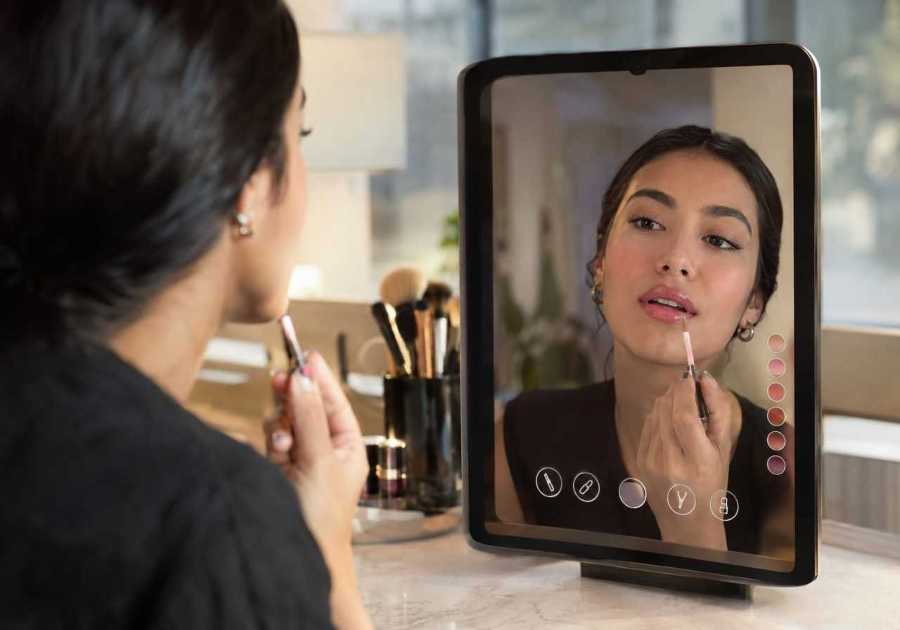
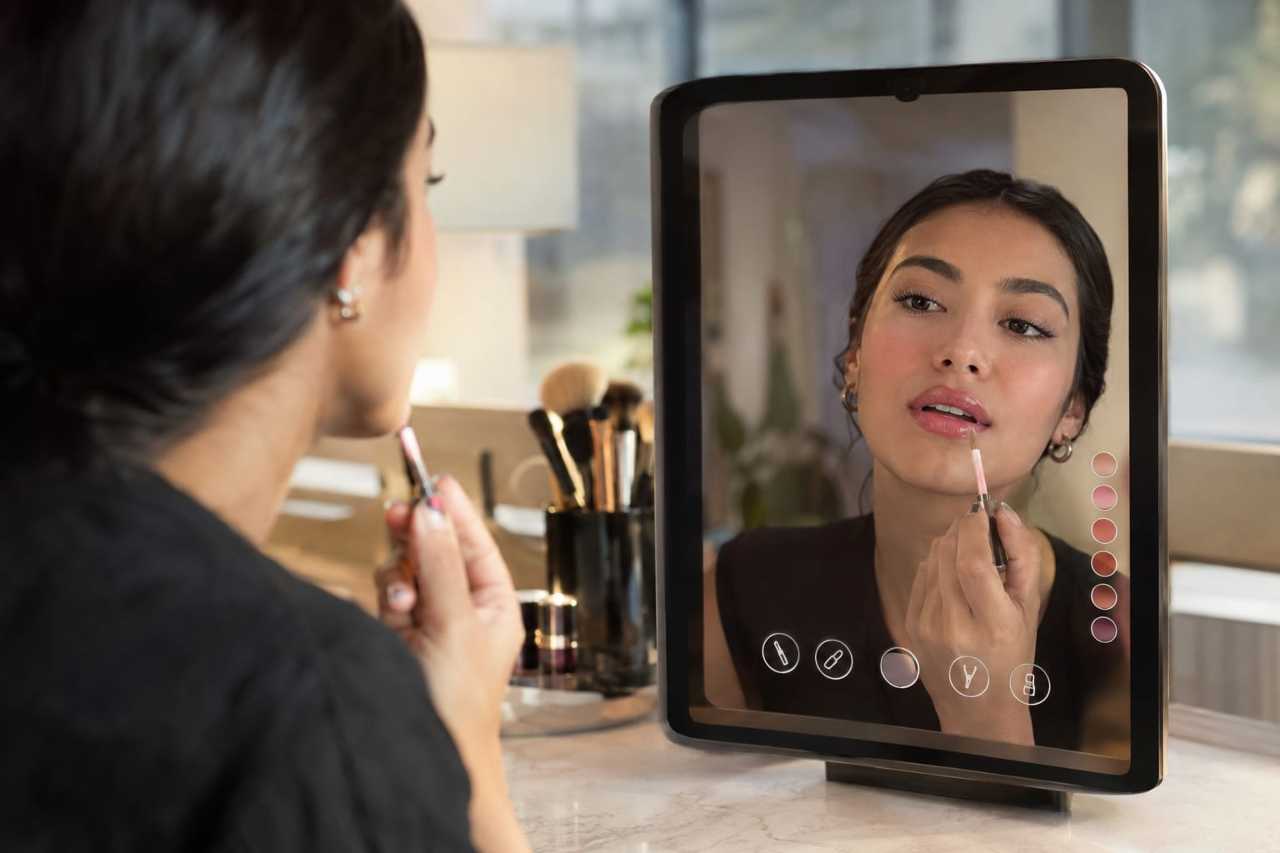
Maybelline New York just did something interesting. You can now try on their makeup inside ChatGPT. Not on a website. Not through an app. Right there in the chat window, using L'Oréal's ModiFace technology to show you, in real time, what a shade of lipstick or a palette of eyeshadow would actually look like on your face.
Think about what that replaces. Normally you'd search around, read a dozen reviews, maybe watch a YouTube tutorial, then finally click "add to cart" and hope the color matches what you saw on your screen. Now you just talk to an AI, describe what you want, and watch it show up on your own face. One conversation. Start to finish.
What's actually new here
Plenty of brands have bought ads inside AI platforms. That's old news. What Maybelline's doing is different — they're not advertising inside ChatGPT, they're operating inside it. Recommendations, product discovery, virtual try-on, all stitched into one back-and-forth conversation that feels more like chatting with a knowledgeable friend than filling out a search form.
That raises a question I find genuinely interesting: where does shopping even begin anymore? For decades it started with a search engine. Now it might start with a question you ask an AI assistant. If you're not in that conversation, do you even exist to the shopper?
The visibility problem nobody's solved yet
Here's where it gets tricky for brands. Euromonitor International ran 1,000 scalp-care shopping prompts through ChatGPT and Gemini and found wildly different results depending on the platform. Nizoral showed up in 58% of Gemini's answers but only 24% of ChatGPT's. Same product category, same kind of question, totally different odds of even being mentioned.
That's a strange new world to compete in. A traditional search engine throws ten blue links at you and lets you pick. An AI assistant narrows it down to two or three suggestions — maybe just one. If your brand doesn't make that short list, you're invisible, full stop.
Does any of this actually lead to a sale?
Good question, and the honest answer is: not as much as you'd think. Attentive's 2026 State of AI in Retail report found only 10% of shoppers who used an AI chatbot actually completed the purchase inside it. Sixty percent still preferred buying through the retailer's own website or app.
Maybelline seems to know this. Their ChatGPT experience doesn't try to close the sale on the spot — it hands shoppers off through a "Where to Buy" feature instead. Smart move, maybe. But it also means nobody's entirely sure yet how much credit the AI conversation deserves when a sale finally happens somewhere else.
The upside is real, though
McKinsey's 2025 research on gen AI in beauty found one global lifestyle company saw conversion rates jump by up to 20% after adding a gen AI shopping assistant. And Tinuiti's Beauty Marketing Study found 34% of beauty shoppers have already used AI to preview products before buying — jumping to 55% among Gen Z. That's not a niche behavior anymore. That's becoming normal.
The catch: trust
Here's what I keep coming back to. A virtual try-on is only useful if it's honest. Maybelline's own language admits the limits, saying their simulation is close but "in-person results may vary slightly by lighting and skin texture." Fair enough — that's reality, not a flaw.
But there's a bigger trust question lurking underneath: what happens to your photo once you upload it? How's that data stored, used, shared? Brands that are vague about this risk losing the very trust they're trying to build.
I've learned over years of traveling and trying new tools that the technology itself is rarely the issue — it's whether the people behind it are straight with you. Maybelline's experiment is a glimpse of where shopping's heading. Whether it earns your trust is still up to them.
If you're curious to see it yourself, open ChatGPT and just ask. That's really the whole trick with new technology, isn't it? Stop reading about it and go try it.
Source: Marketing Tech News
Still catching up? Start with Yahoo Just Became the First Customer in a New Kind of AI Deal — And It Could Change How Publishers Get Paid