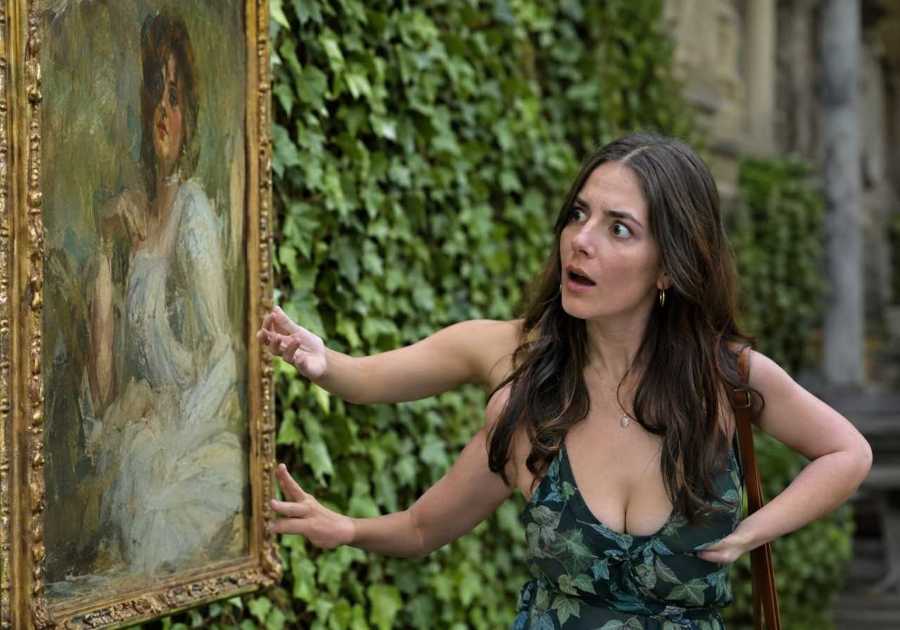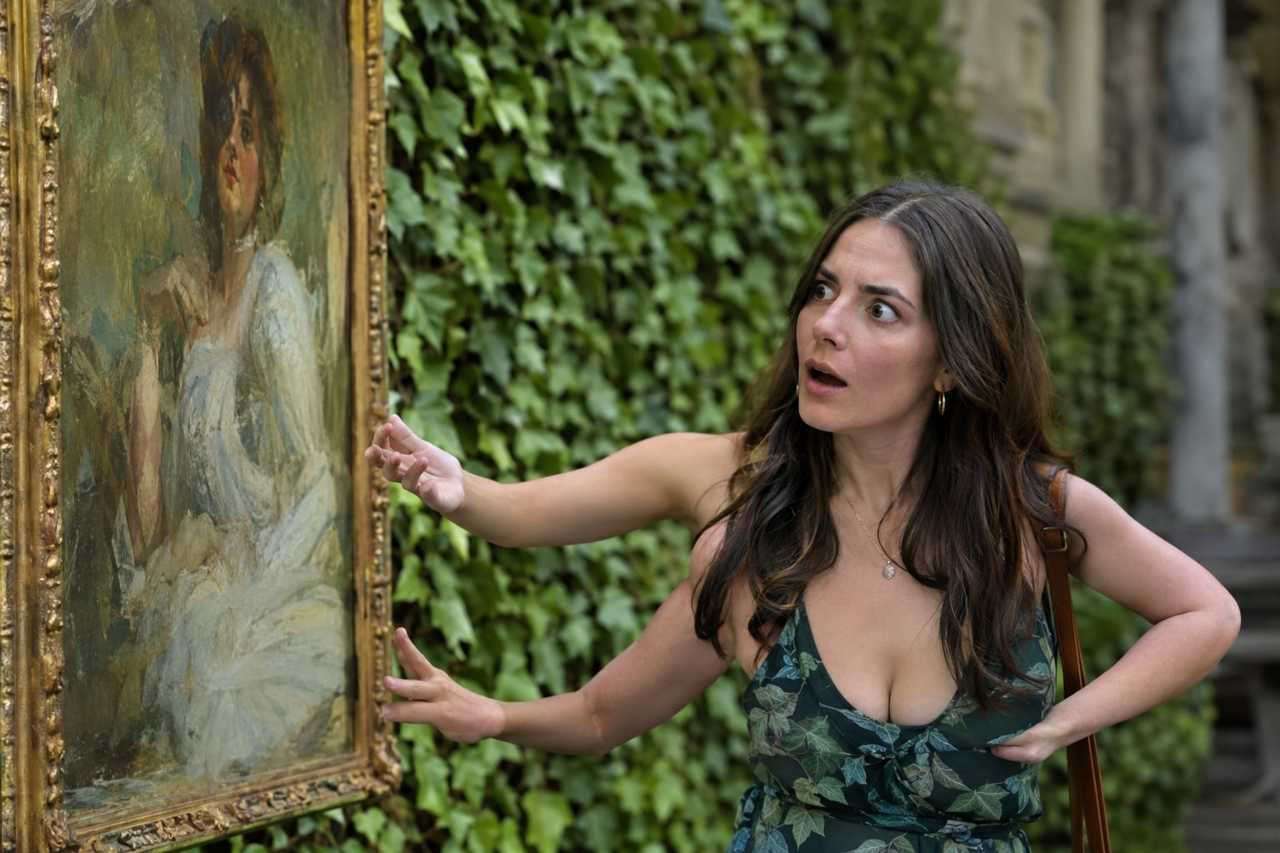
Ever notice how AI images always seem to mess up hands? Turns out they can mess up whole arms too.
The Ivy restaurant in Glasgow found that out the hard way this week. The chain posted a carousel of four watercolor-style images to its Glasgow Instagram account. Pretty pictures, soft colors, that dreamy illustrated look. One problem: a woman in one of the images had three arms.
The internet noticed. Fast.
The caption on the original post credited the images to the Ivy's "in-house designers," which is where things really went sideways. Because once people started looking closer, they spotted the usual tells of AI generation: floating hands, floating glasses, blurry edges that don't quite resolve into anything. The kind of glitches that happen when software guesses at anatomy instead of actually drawing it.
The restaurant has since edited the post, trimming it from four images down to two. But the damage, so to speak, was already done.
So why does this matter beyond a funny mistake? I think it comes down to one word: honesty.
Sophy Louise Smith, a Glasgow-based illustrator, was one of the loudest voices calling this out. She didn't just complain online, she made art about it. Smith drew her own illustration of a three-armed woman holding a speech bubble that read, "I went to the Ivy Glasgow, and all I got was this lousy third arm!" That's the kind of response that sticks.
Smith's issue isn't really with AI itself. It's with the pretending. She argues that typing a prompt into a machine isn't the same as creating something, and that calling AI output the work of "in-house designers" blurs a line that shouldn't be blurred.
"They're not being transparent about what they're doing," she said. Fair point. If you tell your customers a human artist made something, and a machine actually generated it, that's not a style choice. That's a description problem.
Here's what I find interesting about this story. We've built laws requiring disclosure when a paid partnership is really an ad. Smith made that exact comparison. If she's paid to promote a brand, she has to say so. Why wouldn't the same logic apply to AI-generated content? Right now, it doesn't. There's no requirement. Smith put it well: legislation hasn't caught up to how fast these tools are being used.
That gap matters to anyone who buys something, eats somewhere, or follows a brand online. If a restaurant with the Ivy's reputation and prices can dress up AI work as artisan-made, what's stopping any business from doing the same? Trust is the product here, not just the picture.
The Ivy, for its part, didn't deny using AI. A spokesperson told the BBC the images "had been created by their in-house designers with the use of AI," and that their creative team works across "a range of creative platforms and technologies, including AI, alongside photographers, videographers and other creative specialists." They also said they'll keep supporting local talent.
That's a reasonable answer, honestly. Using AI as a tool isn't the crime here. The caption calling it something it wasn't, that's what people are reacting to.
I travel constantly, and I see a lot of branding, menus, and marketing dressed up to look like craftsmanship. Some of it is. A lot of it, increasingly, isn't. The three-armed woman is a small, almost comic reminder that technology moves faster than our habits of disclosure. It's not really about catching AI making mistakes. It's about catching businesses pretending those mistakes came from a human hand.
So here's a question worth sitting with: the next time you see a beautifully illustrated post from a brand you like, do you ever wonder who, or what, actually made it? Maybe it's time more of us started asking.
Source: BBC
Missed the last one? Is AI Recommending Your Competitor Instead of You?