I've spent enough time in Jakarta's co-working spaces to know one thing: Indonesia doesn't do anything small. Over 270 million people. One of the fastest-growing tech markets on earth. And now it's trying to rewrite the rules on who owns what when artificial intelligence is involved.
That's a big deal. And apparently Meta, TikTok, and Google think so too.
What's Actually Happening
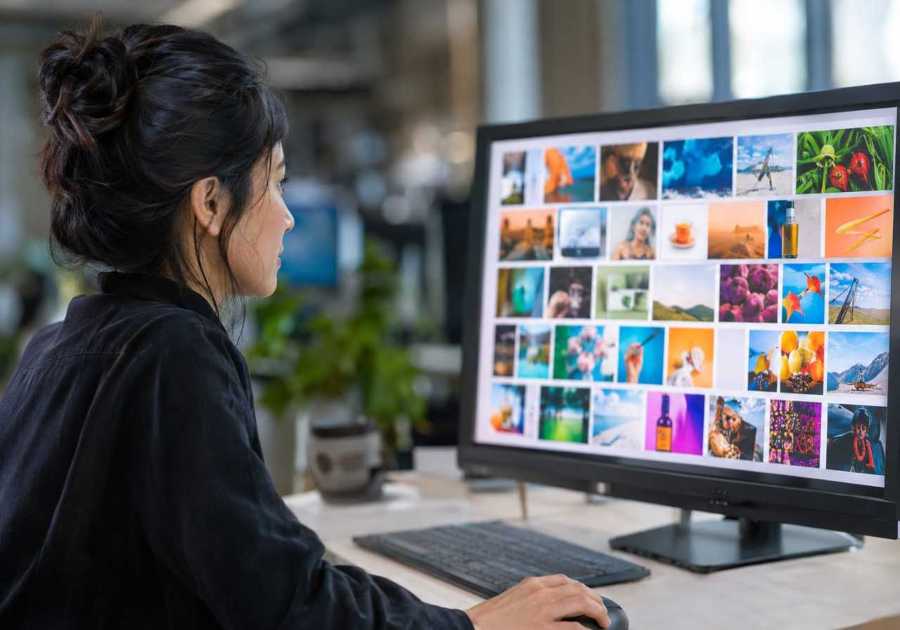
Indonesia is working on revisions to its copyright law, specifically around how AI systems use copyrighted material. Think training data, generated content, who gets credit, who gets paid.
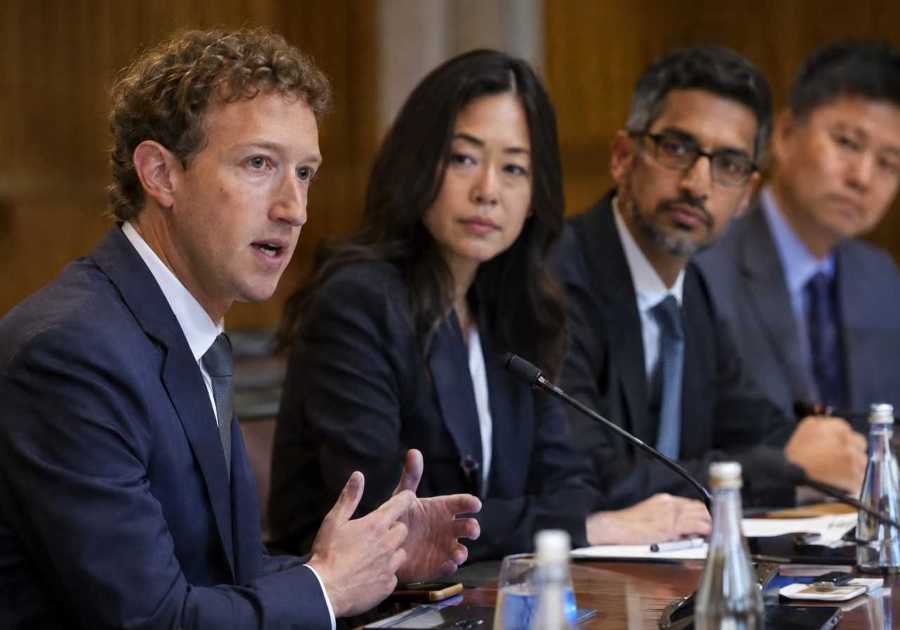
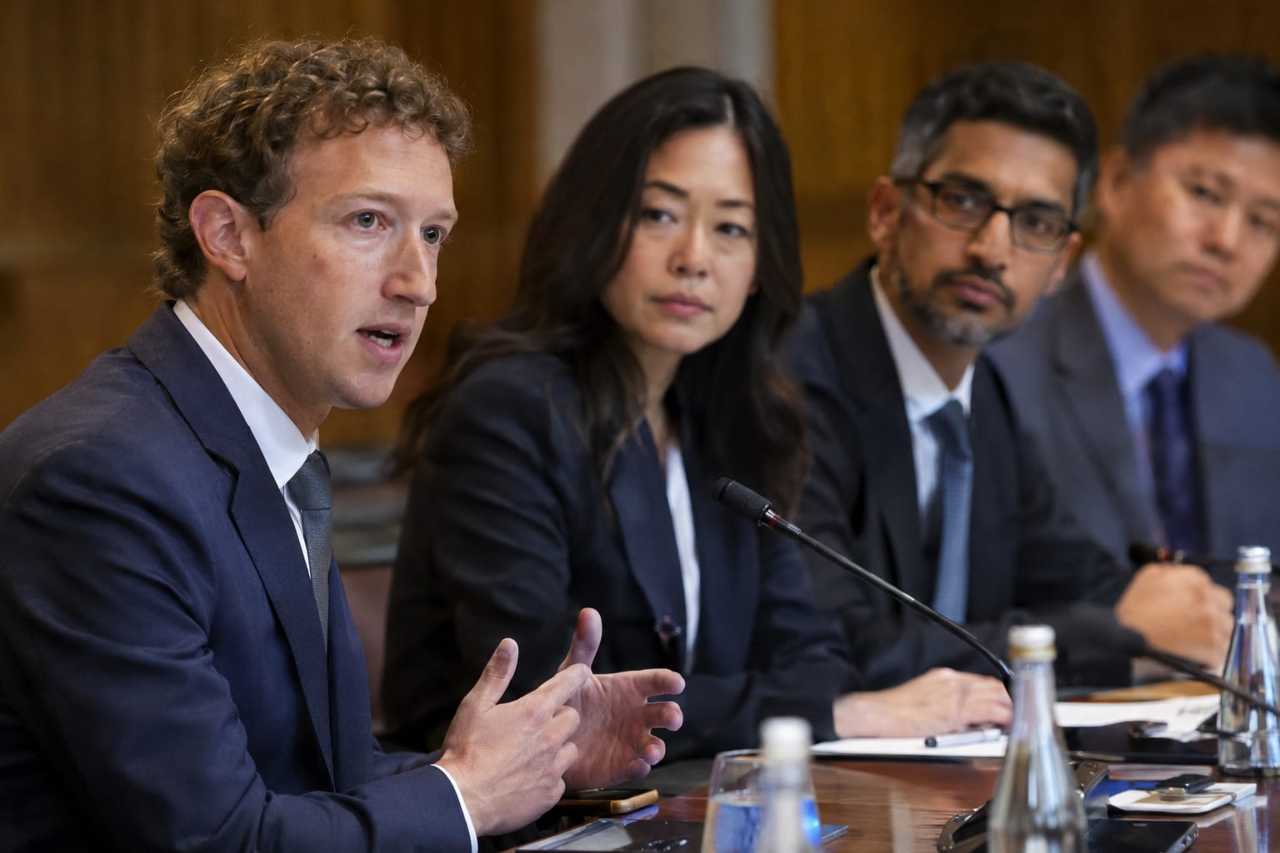
Three of the biggest platforms on the planet have now pushed back publicly. Meta, TikTok, and Google aren't exactly a group that agrees on much, but they're aligned here. That tells you something. When your competitors join you at the same table to oppose one government's proposal, the stakes aren't small.
Why This Isn't Just a Tech Story
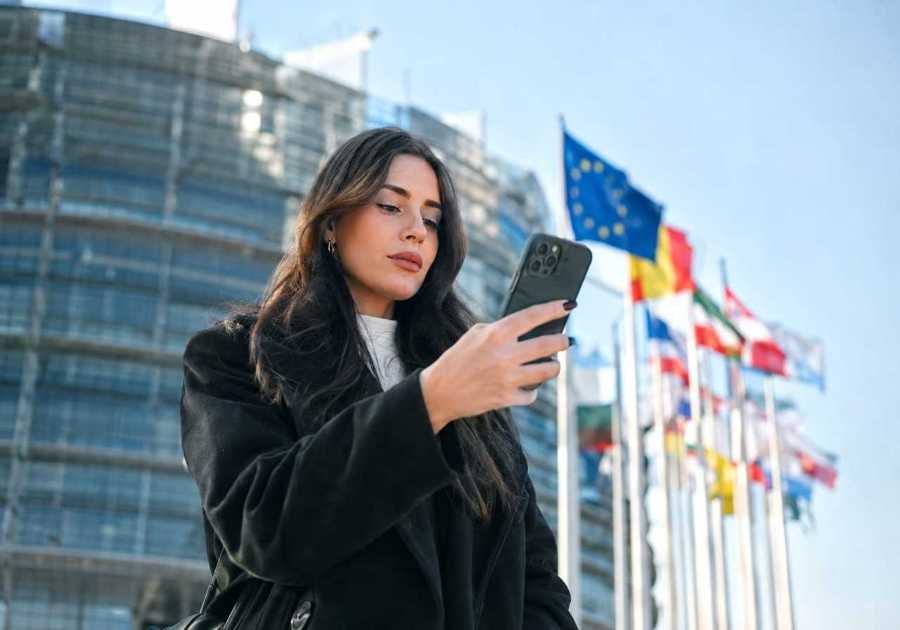
Here's the question I keep asking myself: why does a copyright revision in Jakarta matter to someone scrolling TikTok in Kansas City, or writing a blog post from a hostel in Bali?
Because the internet doesn't have borders, but laws do.
If Indonesia changes how AI and copyright interact within its borders, that ripples outward. Platforms operate globally, which means they often adjust policy everywhere to avoid building separate rulebooks for every country. I've seen this firsthand traveling through dozens of countries since 2017 — a regulation in one place quietly becomes a feature (or a restriction) everywhere else.
So a law written for Indonesia could end up shaping what shows up in your feed, what AI tools can or can't train on, and how creators everywhere get compensated.
The Bigger Tension Nobody's Solved Yet
I'm endlessly curious about how things work, and AI copyright is one of the messiest puzzles out there right now. Nobody has a clean answer.
Artists and writers want credit and payment when their work trains a machine. Platforms want room to innovate without drowning in legal liability. Governments want to protect their citizens' creative output without scaring off the tech investment that's fueling their economies.
Indonesia is trying to thread that needle. Meta, TikTok, and Google are essentially saying: the needle you're threading might cut too deep.
What happens if the revisions go too far? Companies could pull back certain AI features in Indonesia, slow product rollouts, or lobby for a watered-down version. What happens if they don't go far enough? Local creators — musicians, writers, filmmakers — could watch their work get absorbed into AI systems with zero say and zero compensation.
There's no obvious "right" answer here. That's what makes it worth watching.
What This Means If You Create Anything Online
If you write, post, film, or build anything online — and let's be honest, most of us do these days, even if it's just travel photos and captions — this fight touches you eventually.
I've built an entire life around questioning the old playbook. Full-time travel since 2017 taught me that the rules someone else set up don't always apply to how you actually want to live. Copyright law is the same kind of system. It was built for a different era, and now it's scrambling to catch up with machines that can learn, remix, and generate content faster than any regulator can track.
Indonesia is just the latest country forced to ask: what counts as "use" when an algorithm, not a person, is doing the reading?
Where This Goes Next
Expect more of this. Indonesia won't be the last government trying to regulate AI and copyright, and tech giants won't be the last to resist a version of the rules they don't like.
The real story isn't really Meta versus Indonesia. It's bigger than that: how do societies set boundaries around technology that's moving faster than any law can keep up with?
I don't know the answer yet. Nobody fully does. But I'd rather watch this unfold with curiosity than wait for someone to hand me a conclusion.
If you create anything online, pay attention to where this lands. The next country rewriting its AI rules might be the one that changes how your work gets used — whether you ever set foot there or not.
Source: Kansas City Star
Related reading from us: Why Storytelling Is the Strategic Antidote to AI Content