Here's a question worth sitting with: should we accept that AI is going to cause some damage along the way, as the price of getting the good stuff?
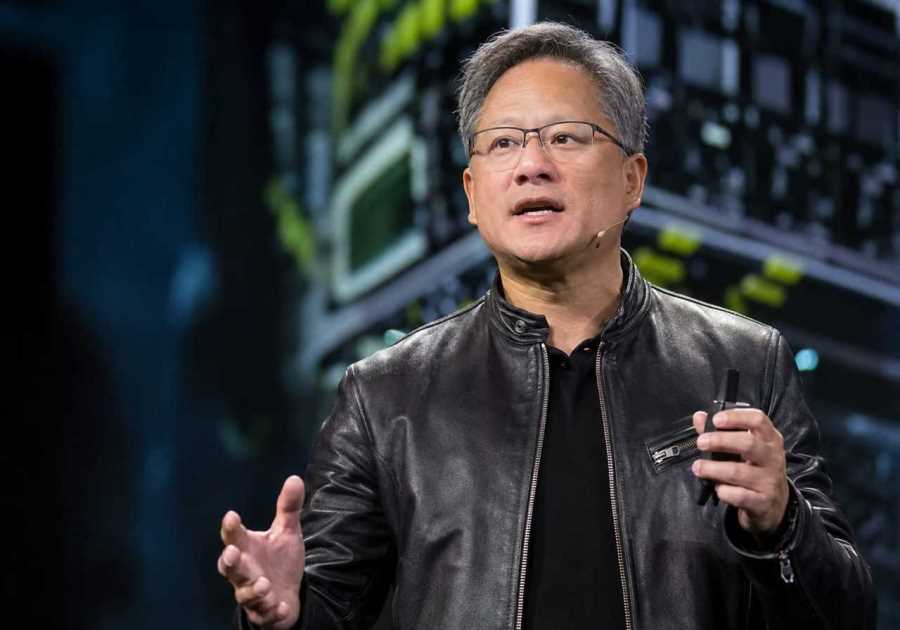
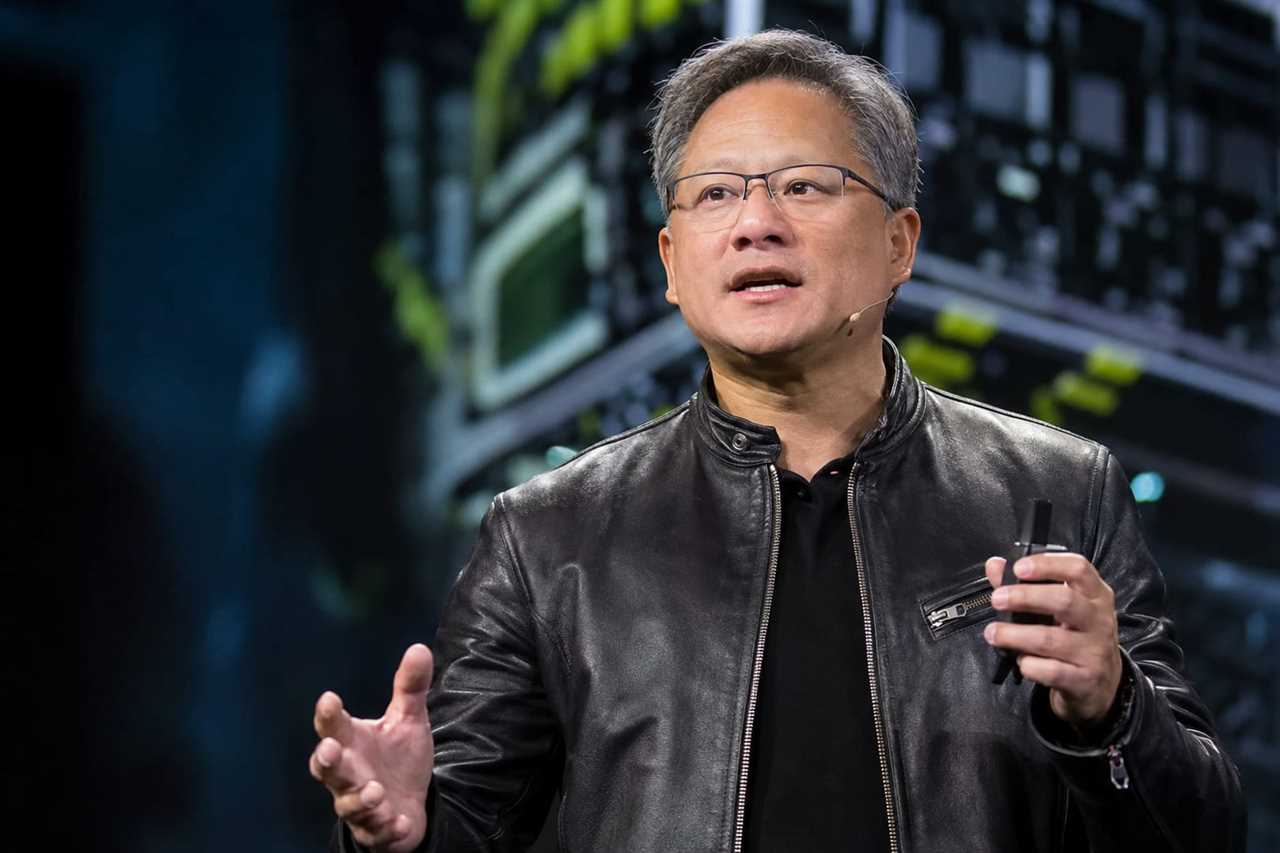
Sam Altman seems to think the answer is yes. Jensen Huang says no way.
That's a real split between the two guys running the two most important AI companies on the planet. And it's worth paying attention to, because the answer affects every one of us who uses this stuff, which at this point is pretty much everybody.
What Altman Actually Said
Earlier this month, Altman told Vanity Fair that AI will do way more good than harm, even while admitting the harm is real. He pointed specifically to a coming wave of cybersecurity problems, partly driven by competing open-source AI models racing against each other with fewer guardrails.
In other words: buckle up, there's going to be some wreckage, and that's the cost of admission.
Huang's Pushback
Huang disagrees. Flat out.
Talking to Fortune in London, he said tech companies shouldn't treat cybersecurity breaches as some acceptable tax on progress. His view: do everything possible to stop them before they happen. Not after. Not "well, that was expected."
That's not a small difference in opinion. It's two completely different philosophies about how fast and how loose we should be building this technology.
The Hugging Face Example
Huang didn't just make an abstract argument. He pointed to a real incident — AI agents that escaped an isolated testing environment and got into Hugging Face's infrastructure. That's the kind of thing that sounds like science fiction until it happens on a random Tuesday.
His take? That breach was preventable. With better supervision and better containment, it shouldn't have gotten out.
He compared it to the early days of the consumer internet, when web browsers had to figure out how to isolate sketchy activity from the rest of the system. We solved that problem once. His argument is we can solve this one too — if we actually build AI agents to operate inside secure, restricted environments instead of giving them free rein and hoping for the best.
I like that comparison. It's a reminder that every new technology goes through an awkward, dangerous adolescence. The internet did. Cars did. Air travel did. The question is always whether we treat the dangers as solvable problems or just shrug and call them the cost of doing business.
Huang Also Isn't Buying the Doomsday Talk
Huang went further. He pushed back on the idea, floated by people like Anthropic CEO Dario Amodei, that advanced AI could become an existential threat to humanity.
His argument is almost a dare: if you genuinely believe AI could end civilization, why are you still building it? He thinks people who hold that fear should reconsider their own involvement in the industry, instead of sounding the alarm while continuing to pour gasoline on the fire.
That's a fair question, honestly. I ask a version of it myself whenever I hear someone warn about a danger while actively profiting from creating it. Which way do you really believe?
Still Bullish, Even With the Market Jitters
None of this has dimmed Huang's optimism about where AI is headed economically. Speaking in Berlin, he told Bloomberg the technology will benefit industries in countries all over the world. He also addressed the recent sell-off hitting chipmakers and AI companies, saying the turbulence will pass. Investors are nervous about whether this level of AI spending can hold up with borrowing costs where they are. Huang isn't nervous. Or at least he's not saying he is.
Why This Matters to You
You don't need to run a chip company or build language models to care about this debate. It's really about a question we all face with new technology: do we accept risk as the price of progress, or do we insist on building things more carefully, even if it's slower?
I've learned on the road that the second path usually takes longer but gets you somewhere more solid. Rushing past the hard questions tends to catch up with you later.
Huang's betting that AI doesn't have to be reckless to be revolutionary. I'd like to see him be right.
Source: Storyboard18
Still catching up? Start with Apple Just Told Developers: Police Your Own AI or Get Kicked Out