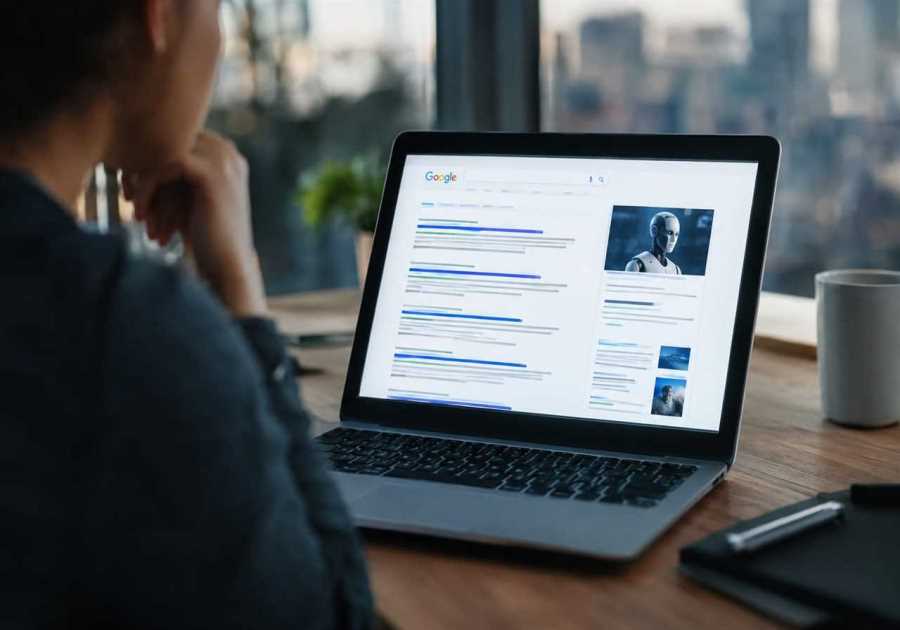
Here's a number that stopped me mid-scroll: one in 10 online searches worldwide now happens through a tool like ChatGPT or Claude instead of Google. That's according to Similarweb. A year ago, that would've sounded like a rounding error. Now it's a full-blown industry.
I've spent years figuring out how to find my way around unfamiliar places without a map app that actually works. Turns out brands are facing a similar problem right now, except the unfamiliar territory is AI chatbots, and the map doesn't exist yet. So a whole new breed of startup has shown up to build one.
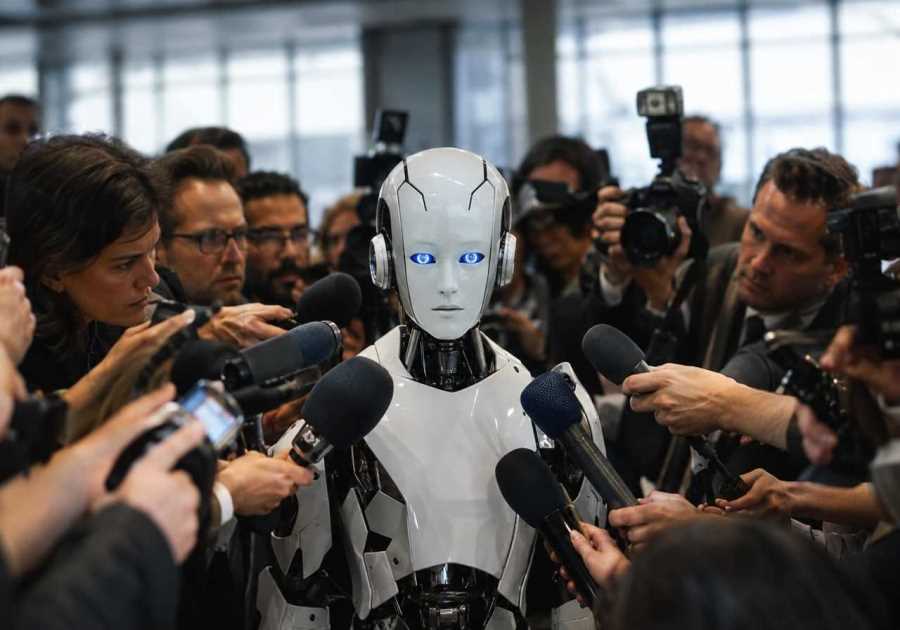
They call it GEO — generative engine optimization. Think of it as SEO's younger, weirder sibling. Instead of getting your website to rank on Google's page one, you're trying to get ChatGPT to actually mention your brand when someone asks for the "best running shoes" or "best travel credit card." And apparently 94% of enterprises plan to spend more money on this in the coming year, according to research from Conductor.
That's a lot of money chasing a problem nobody fully understands yet. Which, if you've followed my travels, is exactly the kind of situation that gets me curious.
ADWEEK first profiled seven of these companies last summer. A year later, some have exploded, some have stalled, and one — Scrunch — got bought out by Sitecore in a deal rumored at $225 million. Meanwhile new players like Searchable and Mega have crashed the party. ADWEEK just published an updated list, ranked by funding, and it's worth a look at who's leading the pack.
The Front-Runners
Profound tops the list with $335 million raised, including a fresh $180 million round at a $1.8 billion valuation led by Sequoia and Kleiner Perkins. The New York company grew revenue 200% in six months and now works with a third of Fortune 100 companies, including Walmart, Comcast, and Zoom. CEO James Cadwallader put it bluntly: AI has created "an entirely new customer for every brand, and that customer is now an agent." That's a strange sentence to sit with. Your customer... is a robot now?
Bluefish, out of New York, has raised about $68 million and works with 10% of the Fortune 500, including Adidas and Hearst. They're not just measuring how brands show up in AI anymore — they've built autonomous agents that analyze campaign performance and adjust tactics on their own.
AirOps has pulled in $62.5 million and serves heavy hitters like Spotify, Airbnb, and Capital One. Their pitch is interesting: they're not just tracking visibility, they're trying to understand what AI "believes" about a brand and connect that belief to actual revenue.
Peec AI, with roughly $40 million raised, has blown past $15 million in annual recurring revenue and serves over 2,500 customers, including Squarespace and Hugo Boss. They've even expanded into checking brands across DeepSeek, Qwen, and South Korea's Naver AI Briefing. The world's getting bigger, not smaller.
Brandlight, based in Tel Aviv, raised $30 million in February and works with Procter & Gamble and Samsung. Their founder, Imri Marcus, says the real shift isn't about "ranking in ChatGPT" — it's that AI is becoming where people form opinions about brands and increasingly where they buy things.
Rounding out the list: Daydream, the San Francisco agency behind the autonomous tool Sunbeam ($21 million raised); Evertune, which has moved into buying ads directly inside ChatGPT ($20 million raised, clients like Coach and Roku); and Searchable, a brand-new 2025 startup that's already tracking a billion AI citations across 10 platforms ($18 million raised).
Why This Matters, Even If You Don't Run a Company
You might not care about enterprise marketing budgets. Fair enough. But here's the part that should catch your attention: the way you find information is quietly changing underneath you.
When you ask ChatGPT where to find the best hiking boots or the most reliable travel insurance, something is deciding what to tell you. Right now, companies are racing to influence that something. That means the answers you get aren't neutral — they never really were with Google either, but this is a new game with new rules nobody's fully written yet.
I've built a life around asking "what happens if I try this?" and adjusting from there. That's basically what these GEO startups are doing too, just with venture capital instead of a backpack. Nobody had this answer two years ago. Nobody fully has it now. They're testing, measuring, pivoting, and figuring it out in real time.
So next time an AI tool gives you a confident answer, ask yourself: who worked to get that answer in front of you? It's worth being a little skeptical. Curiosity usually serves you better than blind trust — whether you're reading a search result or picking a trail with no cell signal.
Source: ADWEEK
Read our previous article: When 300 Publishers Gang Up on Bots, Something's Broken