So here's a question I've been chewing on while reading the news from wherever I happen to be parked this month: who decided that your words, once published, belong to whoever can scrape them fastest?
That's basically the fight playing out right now in the news industry. Press Gazette just put together a rundown of which publishers are suing AI companies and which ones are signing deals with them instead. Two very different paths, same problem: AI chatbots are being trained on, and increasingly answering questions with, content that newsrooms spent real money to report.
Two Roads, Same Fork
Some publishers looked at OpenAI, Google and the rest of the generative AI crowd and said, "See you in court." The New York Times led that charge, arguing that training a chatbot on decades of reporting without permission isn't research, it's theft with extra steps. Other newsrooms have joined similar fights, worried that if a chatbot can summarize their scoop in three seconds, why would anyone click through to the actual article, the one with the ads that pay the journalists?
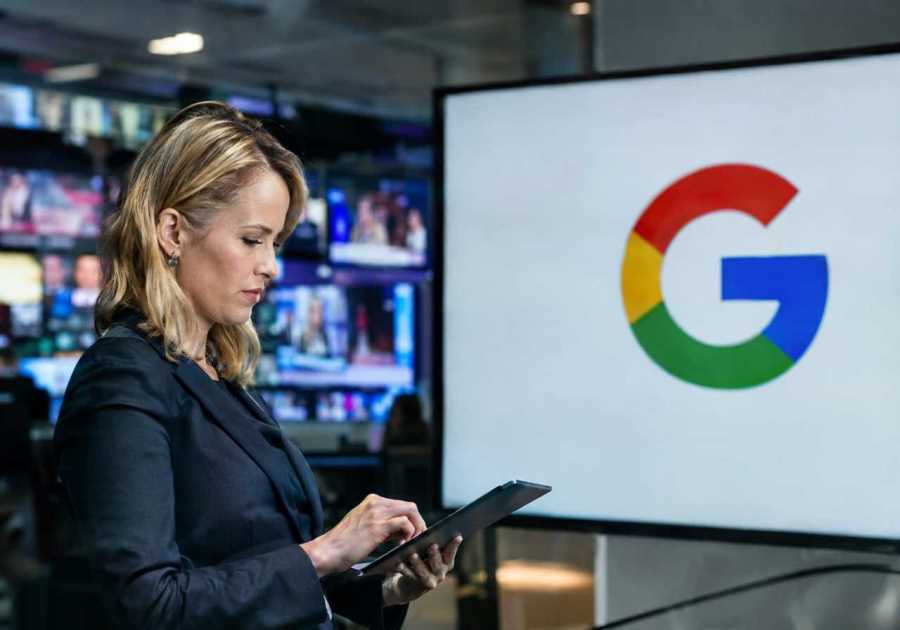
Other publishers looked at the same situation and thought, well, if they're going to use our stuff anyway, let's get paid for it. That's where licensing deals come in. Companies like News Corp and Axel Springer struck agreements with OpenAI, letting the AI train on and reference their content in exchange for money and, in some cases, promises about attribution. Google has been doing similar deals of its own.
Same technology, same pressure, two completely different strategies. One side is betting the courts will protect their work. The other is betting a seat at the table beats a lawsuit that could take years to resolve.
Why I Keep Watching This
I've traveled full-time since 2017, and I'll tell you, information is the one thing I rely on no matter where I land. Weather, border rules, which trail actually has water this time of year, which ferry is running. I don't always get that from a newsroom. Sometimes I get it from a chatbot that pulled it together from, who knows, maybe a dozen sources I'll never see credited.
And that's exactly what makes this fight interesting to me. If AI summarizes the news without sending traffic or money back to the people who gathered it, who's left to do the gathering in five years? That's not a hypothetical. Local newsrooms have been shrinking for two decades already. Pull another revenue stream out from under them and you don't get free information forever, you get less reporting, period.
I'm curious by nature. I like asking "what happens if" and then actually watching what happens. What happens if every publisher sues? Probably a slow grind through courts, some settlements, some precedents that reshape copyright law for a generation. What happens if everyone licenses instead? Maybe a new revenue model emerges, a way for journalism to get paid for existing in a chatbot's training data the same way musicians eventually got paid once streaming figured itself out.
Neither path is obviously right. That's what makes it worth watching instead of shrugging at.
What This Means For You
If you read news, this fight decides what kind of news you'll be reading in a decade. Licensing deals might keep some newsrooms alive by giving them a new income stream. Lawsuits might force AI companies to actually compensate the industry they're built on top of, or they might just make AI companies more cautious about which publishers they bother dealing with at all.
Either way, nobody's going back to the way things were before chatbots existed. The genie's out, and pretending otherwise doesn't help anyone.
What I've learned traveling solo into my almost-70s is that you don't get to control every shift that happens around you. You adapt, you ask better questions, and you keep moving instead of waiting for someone to hand you certainty.
The news industry is doing exactly that right now, just with lawyers and licensing contracts instead of a backpack and a one-way ticket. Worth paying attention to where it lands.
Source: Press Gazette
Read our previous article: Meta's Fine Print Might Just Be Worth Millions