Somewhere right now, a political ad is running on your phone. The candidate never said those words. The crowd behind them never existed. The whole thing was built in an afternoon by software.
That's not a hypothetical. According to The New York Times, campaigns have poured $137 million into AI-generated ads for this year's midterms. That's not a typo. That's real money chasing fake footage.
I've spent the last several years traveling full-time, moving through dozens of countries, watching how different places handle truth, trust, and technology. And I'll tell you what strikes me most about this story: we've officially crossed a line where "seeing is believing" doesn't apply to politics anymore.
How Did We Get Here So Fast?
Three years ago, AI-generated video was clunky. Six fingers. Melting faces. Easy to spot.
Now? Good luck.
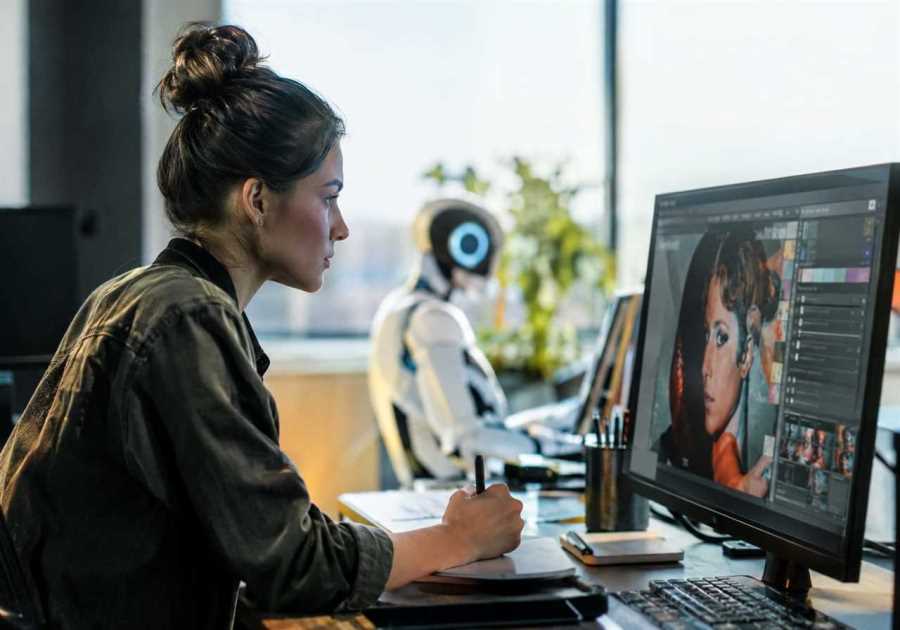
The tools got cheaper, faster, and dramatically more convincing almost overnight. What used to require a film crew, a studio, and a six-figure budget now takes a laptop and an afternoon. That's great news if you're a small business owner trying to make a product video. It's a different story entirely when it's being used to manufacture political reality.
Campaigns figured this out quickly. Why hire actors, rent locations, and wait weeks for footage when software can generate a crowd of supporters, a dramatic backdrop, or an opponent saying something they never said — all before lunch?
$137 million says a lot of people made that calculation.
The Question Nobody's Really Answering
Here's what I keep asking myself: if an ad is AI-generated, does it still count as communication, or has it become something else entirely? A kind of persuasion that bypasses the usual filters we use to size people up — tone of voice, body language, the little inconsistencies that tell us something's off.
I've learned, through years of negotiating in foreign markets, reading people across language barriers, and sniffing out scams in cities where I didn't speak the local language, that most of what we trust comes from instinct built on real experience. We learn to read people.
AI-generated content short-circuits that. It gives you all the signals your brain uses to judge trustworthiness, without any of the substance behind them. That's not a messaging problem. That's a perception problem.
Why This Should Matter to You, Not Just Political Junkies
Maybe you don't follow politics closely. Fair enough. But this isn't really a politics story — it's a trust story.
If $137 million can produce synthetic ads convincing enough to sway a midterm election, what does that say about the video you'll see tomorrow from a company, a stranger, a "friend" asking for money? The same tools. The same techniques. Just a different target.
I've always believed in staying curious instead of comfortable, in asking "what happens if I question this?" instead of accepting things at face value. That instinct matters more now than it did five years ago, not less. The world didn't get less trustworthy. It got better at faking trustworthiness.
So What Do You Actually Do With This?
You slow down. That's it. That's the whole strategy, and it's more powerful than it sounds.
Before you share something, before you let an ad shape your opinion, ask where it came from. Who made it? What are they selling, besides the obvious? A political candidate, sure — but also a feeling, an outrage, a reaction they want from you specifically.
I've traveled enough to know that independence doesn't mean cutting yourself off from everyone else's opinions. It means keeping the freedom to form your own, even when $137 million worth of polished persuasion is aimed straight at you.
The midterms will come and go. This particular flood of synthetic ads will fade into whatever comes next — because something always does. The tools will get better. The ads will get more convincing. The only thing that stays constant is your willingness to ask questions before you accept the answer you're being handed.
That's not a limitation. That's a skill. And like most skills worth having, it only gets sharper with use.
Source: The New York Times
See also our earlier piece: Jensen Huang Says No, We Shouldn't Just Accept AI Hacking Us