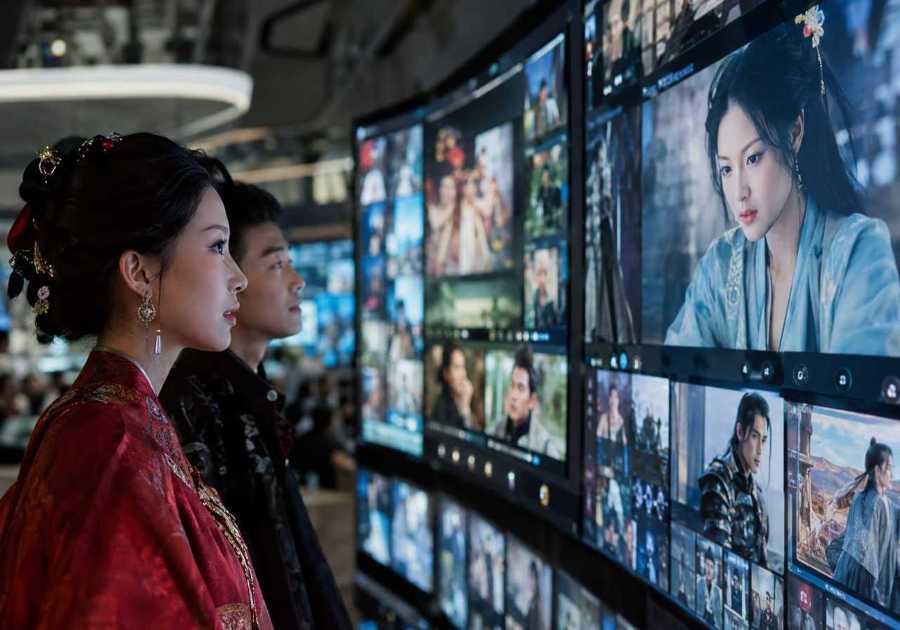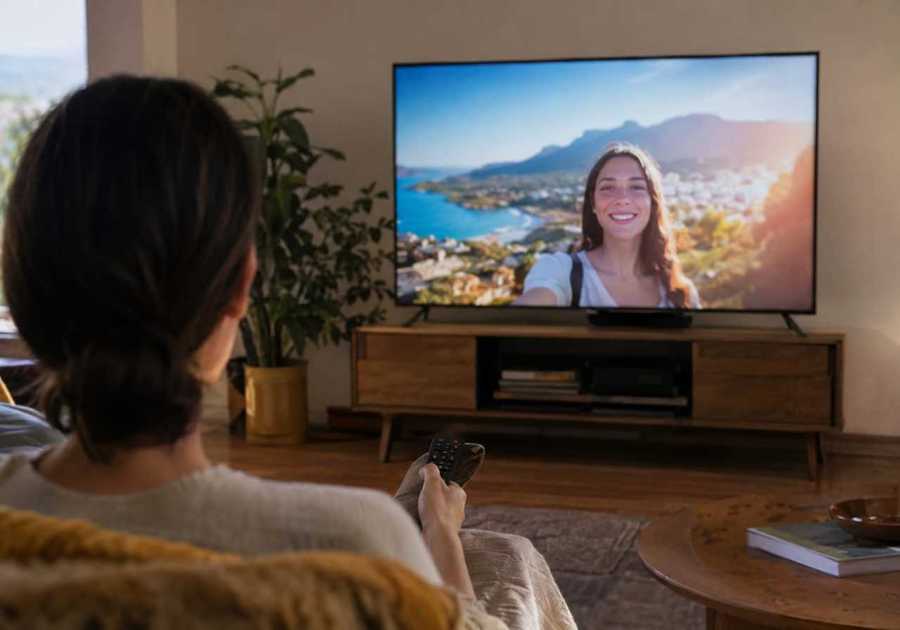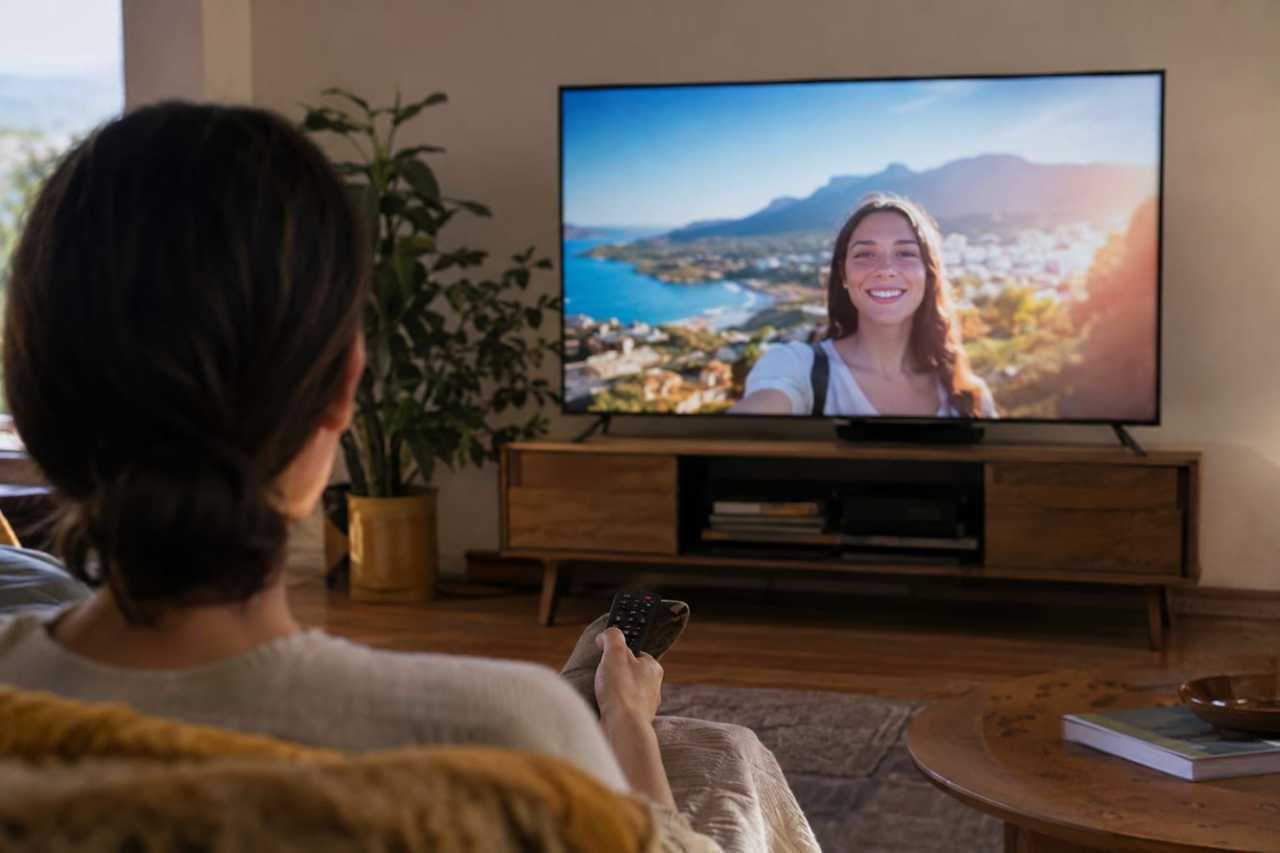
Here's a question I didn't expect to ask myself this week: would I want to star in my own AI-generated TV show?
Google's apparently been thinking about it. The company just filed a patent for a personalised TV channel that uses AI to build video content starring the actual person watching it. Not a character who looks like you. You.
Tech journalist Emmett Ryan broke down the details on The Hard Shoulder, and he's quick to point out we're nowhere near this being real. "Nothing has been built yet," he said. It's just a patent, tracked down by one of those patent-watching websites that follows what big tech companies are quietly filing away.
But the idea behind it is worth sitting with.
How It Would Work
According to the filing, Google would gather your viewing preferences, your context, your demographics—the same stuff Netflix or Sky already use to suggest what you might want to watch next. Nothing new there.
Where it gets strange is the next step. The patent reportedly goes further, suggesting your photo, your avatar, even your voice could be used to build a digital version of you. Then that version gets dropped into an AI-generated show as the main character.
Ryan called it "very Truman Show-y." I'd agree, and I'd throw in that Black Mirror episode, "Joan Is Awful," where a woman watches a streaming platform turn her life into a show in real time. Fiction's apparently catching up to patent filings faster than any of us expected.
Why This Makes Me Pause
I've spent years chasing new technology, testing gadgets, poking at ideas just to see what happens if I push them a little further. Curiosity's part of the job description when you've built a life around asking "what if" instead of settling for "that's just how it is."
But there's a difference between curious and invasive. Ryan put it well, quoting that old Jurassic Park line about scientists being so busy figuring out if they could do something, they never stopped to ask if they should. That line's been getting a workout lately, and this might be its best use yet.
Think about what it actually means to hand over your photo, your voice, your likeness, and let a company generate content starring you. Who owns that content? What happens if someone else gets access to your digital double? We've already seen AI tools generate fake videos of celebrities and athletes without their permission. If Google builds a system explicitly designed to create personalised versions of real people, what's stopping that from getting messy fast?
Ryan raised a good example—could you end up "playing" in a League of Ireland match? Probably not exactly, since broadcast rights would likely keep that off the table. But the bigger question lingers: once the technology exists, who decides where it's used?
Will It Actually Happen?
Ryan's take is that Google will absolutely try. That's just how the company operates—throw plenty at the wall, see what sticks. Remember Google Plus? Google Buzz? Both gone within a few years. For every product that becomes essential, there's a graveyard of ideas nobody talks about anymore.
Patents take years to become products, if they ever do. Ryan figures we're looking at serious investment in creative technology before this becomes real, but he wouldn't be shocked to see something like it on smart TVs by 2030.
So here's where I land. I like experimenting with new tech, trying things most people write off without a second look. But this one makes me want tighter rules before it gets anywhere close to our living rooms.
What do you think? Would you want to star in your own AI show, or does that cross a line you're not ready to touch? Either way, it's coming toward us. Might as well start asking the hard questions now, while there's still time to shape the answer.
Source: Newstalk
Related reading from us: Skip the Doorbusters. Let the Chatbot Do Your Shopping.