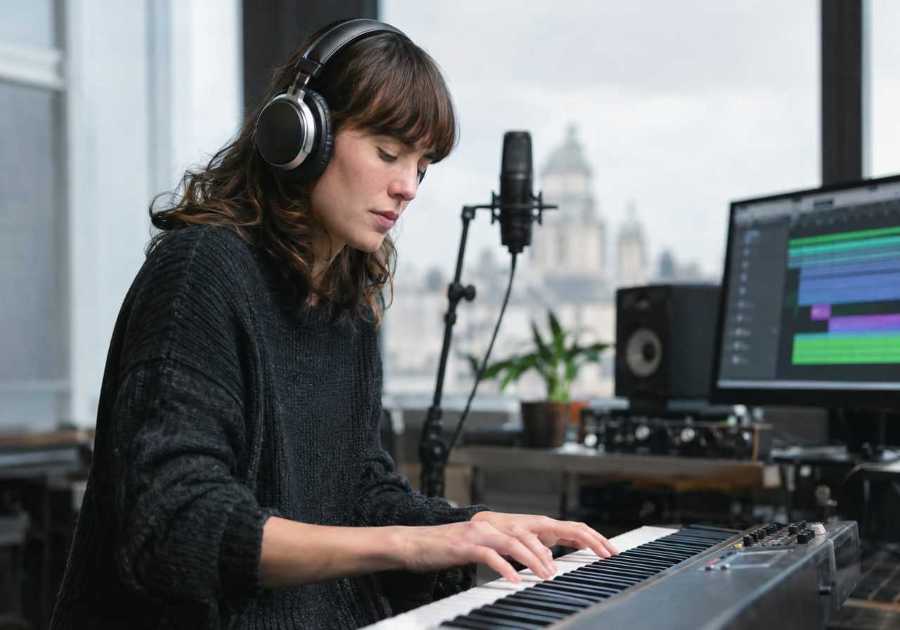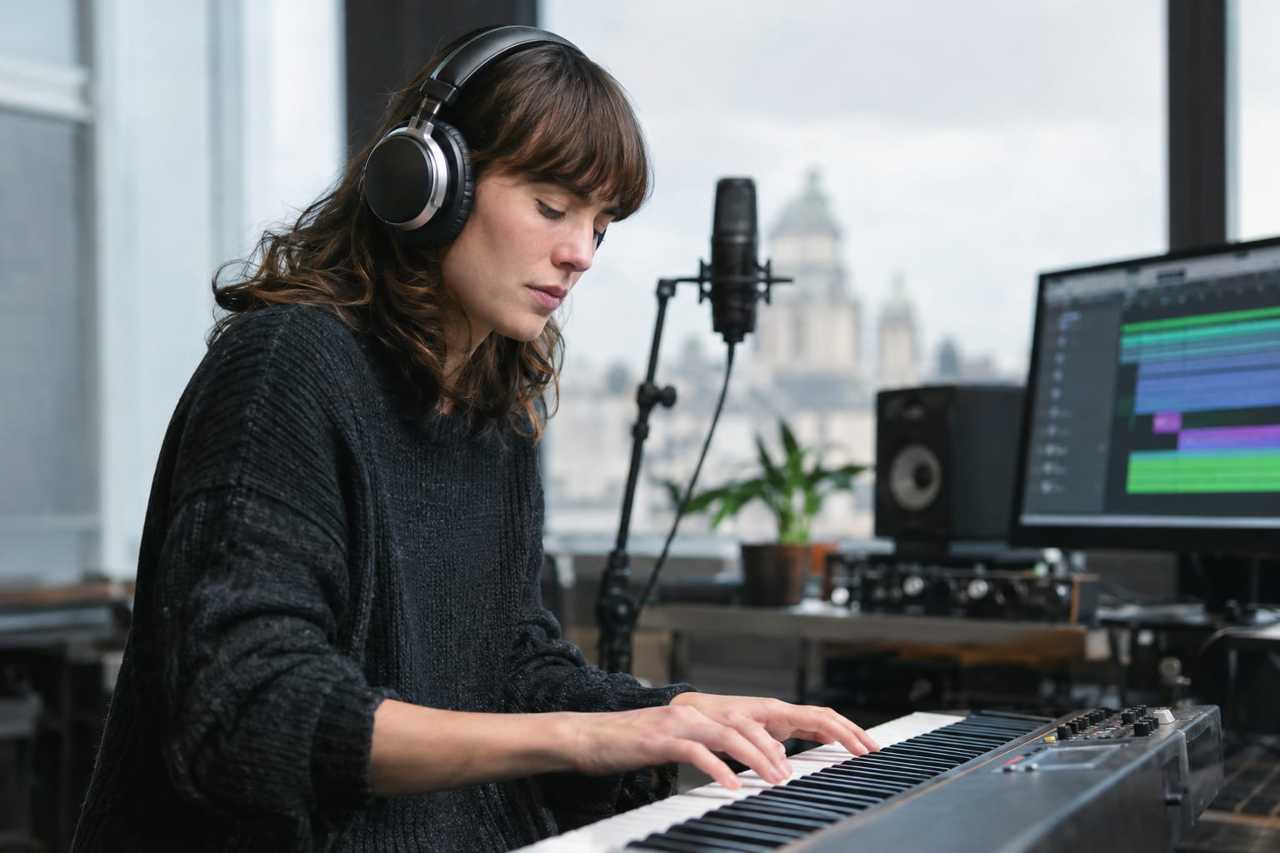
Here's a question worth asking: if an AI learned to write a song by studying thousands of real songs, who gets paid?
Germany just said: the musicians should.
The country is moving forward with a proposal that would require AI companies to compensate musicians and other artists when their copyrighted work gets used to train AI systems. It's one of the first serious attempts by a major government to put real money behind an idea that's been floating around coffee shops and conference panels for years: if a machine learns from your creative work, you deserve a cut.
Why This Matters More Than It Sounds
I've spent the last several years traveling full-time, meeting people who make their living creatively — street musicians in Lisbon, a guy who builds guitars by hand in a shop outside Prague, a singer-songwriter I met in a hostel common room in Oaxaca who sells her own CDs out of a backpack. None of them have lawyers. None of them have lobbyists. What they have is their work, and increasingly, that work is being fed into AI models without anyone asking permission or offering a check.
That's the problem Germany's proposal is trying to solve. AI music generators — the kind that can spit out a passable pop song in thirty seconds — didn't learn melody and rhythm from nowhere. They trained on real recordings, made by real people, most of whom never agreed to it and never saw a dime.
So the question Germany is asking is pretty simple: shouldn't the people whose work built these systems get paid when the systems profit?
The Bigger Fight Behind the Headline
This isn't just a German issue. It's part of a much larger argument happening across the EU, the US, and everywhere creative industries are watching AI get smarter by the month. The EU's AI Act already requires more transparency about what data trains these models. Germany's move pushes that further — from "tell us what you used" to "pay for what you used."
I find this fascinating, honestly, because it's forcing a question most of us haven't had to think seriously about before: what actually counts as using someone's work? If an AI studies ten thousand guitar solos and then generates a new one that sounds vaguely like all of them and none of them specifically, is that theft, inspiration, or something we don't even have a word for yet?
I don't have a clean answer. Nobody does yet. But I think that's exactly why this is worth paying attention to.
What Happens If Other Countries Follow?
If Germany's proposal actually becomes law, it won't stay contained to Germany. AI companies operate globally, and so does music. A German rule that says "pay the artist" could easily become the template other countries lean on, the same way GDPR reshaped how companies handle data worldwide, whether they liked it or not.
For musicians, that's a meaningful shift. For AI companies, it's a cost they haven't had to budget for. And for the rest of us — the people who just like good music and don't think much about where AI tools get their training data — it's a reminder that nothing is actually free. Someone's always paying the cost somewhere in the chain. The question is whether it's the original creator or nobody at all.
I've built my own path doing things a slightly unconventional way — writing, traveling, figuring out how to make a living on my own terms instead of someone else's. So I've got a soft spot for people trying to protect their ability to do the same thing, especially the independent musicians who don't have a label fighting their battles for them.
Germany's proposal isn't perfect, and it isn't finished. But it's asking the right question out loud, in public, with actual policy behind it: when a machine profits from a human's creativity, shouldn't the human get something back?
What do you think — fair payment, or a fight that's only just getting started?
Source: KarloBag.eu
See also our earlier piece: Most Australians Can't Tell What's Real Anymore. Neither Can I, Half the Time.