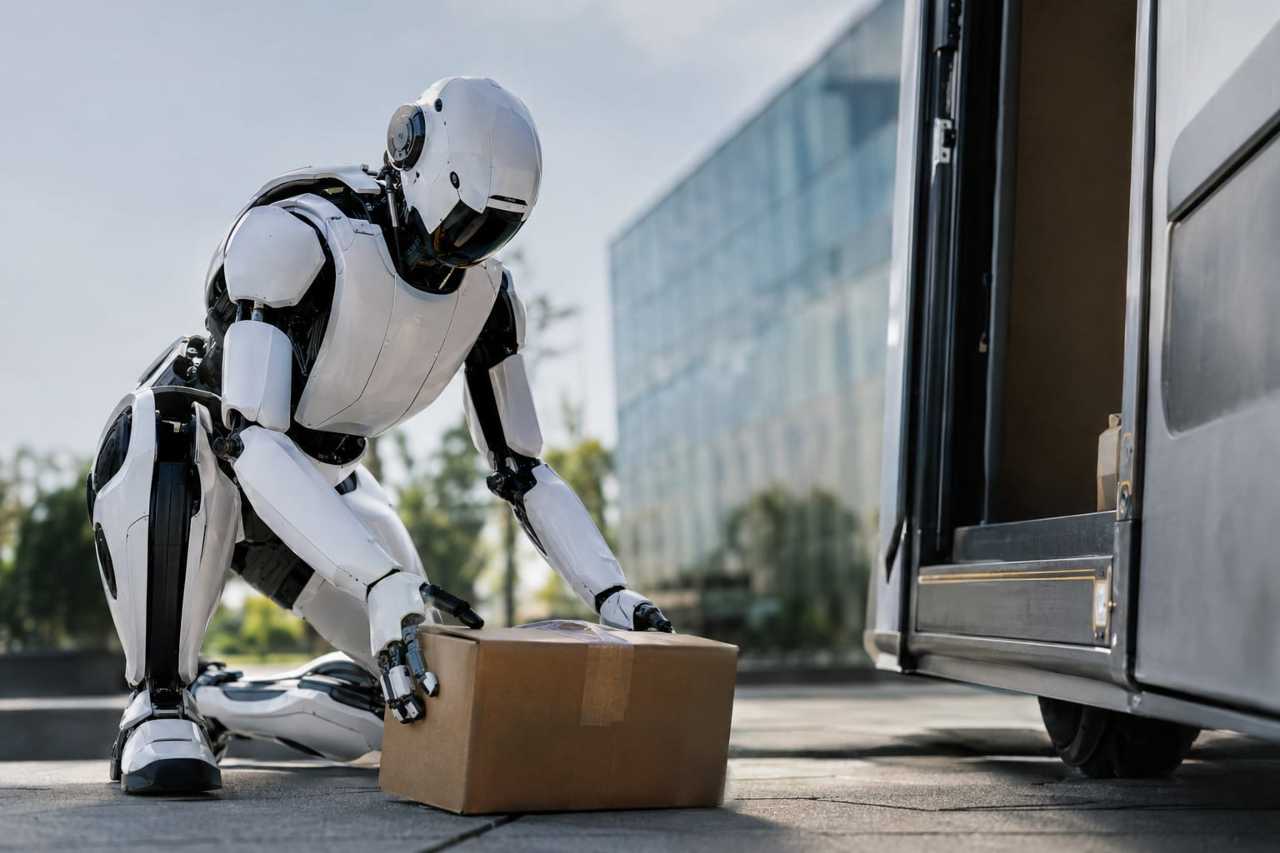
I was reading about AI in marketing the other day and ran into a phrase that stopped me: "last-mile problem."
Turns out it's not new. Logistics companies have talked about it for years. The hardest, most expensive part of shipping something isn't the thousand miles across the ocean. It's the last mile — getting the package from the depot to your actual front door.
The Drum just pointed out that AI has the same problem. And the more I thought about it, the more I realized I've been living this exact issue for years, just not in a boardroom.
The Gap Between the Idea and the Door
Here's the pattern with AI in marketing right now. Companies build big, impressive systems. They collect data, train models, run pilots that look fantastic in a slide deck. Then it hits the real world — an actual customer, an actual moment, an actual decision — and it falls apart.
The strategy's brilliant. The execution at the point of contact? Clunky, generic, late, or just plain wrong.
Why does this keep happening? Because the last mile isn't a technology problem. It's a human one. It's where context lives — the weird, specific, messy details that don't fit neatly into a model. A marketing AI can know everything about a customer's purchase history and still send them an email that feels like it was written by nobody, for nobody.
I've run into this myself. I use AI tools constantly for my own work — drafting ideas, sorting research, speeding up the boring parts of running a business on the road. And I've noticed the same gap. The AI gets me 80% of the way there fast. That last 20%, the part that actually sounds like me, that fits the moment, that has a little mischief in it? That's still on me.
What Marketers Are Discovering
The Drum's point is that solving the last-mile problem isn't about more data or bigger models. It's about designing the handoff — the moment where the machine's output meets a real human in a real context. That means tighter feedback loops, people in the room who understand the customer, and a willingness to let humans edit the output instead of just trusting the algorithm blindly.
Sound familiar? It should. It's the same lesson I learned traveling full-time since 2017.
You can plan a trip down to the hour. Flights booked, hotels confirmed, route mapped. Then you land in a small town in Portugal at 11pm and the GPS sends you down a one-lane road that doesn't exist on the map. That's the last mile. No amount of planning replaces the judgment call you make standing there, in the dark, figuring it out.
AI can get marketers 90% of the way to the right message. It can't stand in the dark and make the judgment call.
Why This Matters to You
If you're running a business, a newsletter, a shop, anything with customers — this isn't abstract. It's the difference between a tool that saves you time and a tool that quietly makes your brand feel hollow.
The fix isn't rejecting AI. It's being honest about what it's actually good at. Use it for the long haul — the research, the drafts, the grunt work. Then slow down for the last mile. Read what it produced like a stranger would. Ask: would a real person say this? Would I say this?
That question — would I actually say this — is one I ask myself about everything I publish. It's a good filter for anyone using AI right now, in marketing or anywhere else.
What Happens Next
The companies that win with AI won't be the ones with the fanciest models. They'll be the ones who figure out that last mile — who keep a human hand on the wheel right up to the door.
I'm curious to see who gets there first. In the meantime, I'll keep testing these tools the same way I test a new route through an unfamiliar country: try it, see what breaks, adjust, keep moving.
That's the whole game, really. Not avoiding the last mile. Walking it yourself.
Source: The Drum
Catch up on our earlier post: Oracle Wants to Merge AI and Streaming Into One Machine. Should That Worry You?