Here's a question that should bug every marketer: why do we keep spending money on ads before knowing if anyone will even notice them?
I've been self-employed most of my life, running small businesses long before I sold everything and hit the road full-time in 2017. I remember paying for print ads back in the day with zero idea if they'd land. You just... hoped. Turns out there might finally be a better way.
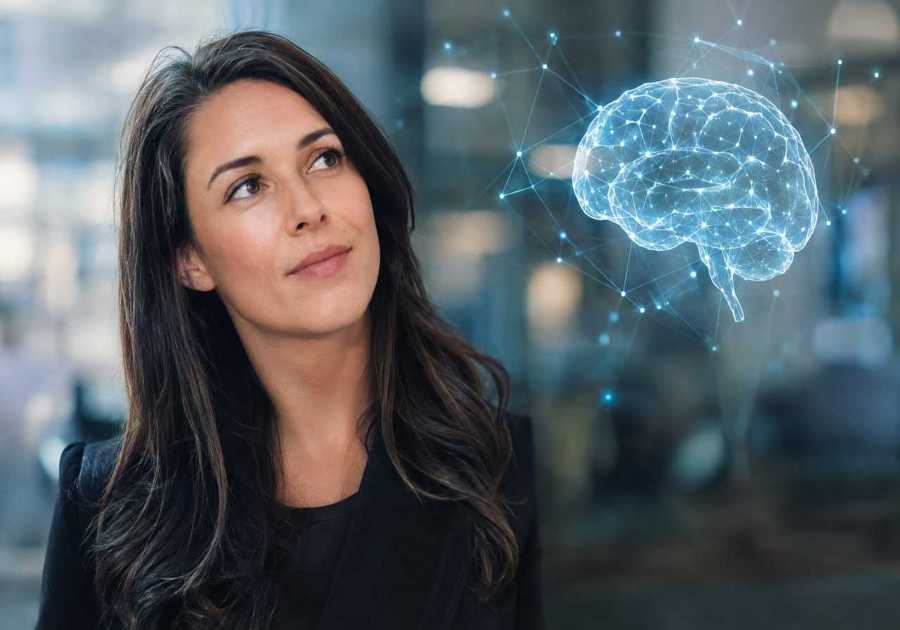
Researchers and companies working with neuroscience and AI are now testing ads before they go live, measuring how a real human brain and body respond. Not focus groups. Not gut feelings. Actual physical reactions.
The brain doesn't lie
One platform doing this is called BrainSuite AI. It scores advertising creative on things like brand recognition, attention, and emotional engagement—before a single dollar gets spent on media.
Karel Ellis-Gray, Head of Customer Success at BrainSuite, broke it down simply at a recent industry event, DMWF North America. The questions the platform asks are the same ones any smart marketer should ask: Does it grab attention? Does the brand actually land? Is it persuasive? Does it make you feel something? Is there a clear next step?
Ellis-Gray says attention is step one, and on social media that window is brutally small. People scroll fast. If you don't catch them in the first second or two, the rest of your clever creative never gets a chance.
What's interesting is that BrainSuite doesn't stop at prediction. It compares its pre-test scores against what actually happens once a campaign runs—click-through rates, purchases, the real stuff. Over time, that creates a feedback loop. You learn what your predictions are worth, and you adjust.
That's the part that grabs me. It's the same principle I use every time I try a new travel route or a new way of working: try it, measure what happened, learn, adjust, go again. Businesses rarely build that loop in on purpose. This one does.
Showing up isn't the same as being seen
Here's something that surprised me. Ellis-Gray pointed out that slapping your logo on screen doesn't mean people actually register your brand. Especially with creator content, where a brand might not even show up until several minutes into a video.
Makes sense when you think about it. Creator content works because it feels authentic, not like a commercial. But that same authenticity can bury the brand so deep that viewers forget who paid for it.
BrainSuite's data is nudging marketing teams to introduce the brand a little earlier, without losing that natural, unscripted feel. It's a balancing act—be visible, but don't be the guy at the party shouting about his product.
The numbers backing this up
A separate study looked at whether AI could predict which ads people would actually prefer. Researchers tracked participants' facial expressions and skin response (a fancy way of measuring subtle physical reactions) while they watched a batch of video ads.
Using a machine learning model called Random Forest, they predicted consumer preference with 81% accuracy. Turns out joy and engagement were strongly linked. People like ads that make them feel something good, and apparently your face and your skin know it before your brain fully processes it.
Now, the study was small and focused on one sector, so it's not gospel. But it's one more sign that marketing is shifting away from "I think this will work" toward "here's the data that says it will."
Why this matters to you
You don't need to run marketing campaigns to care about this. It's a reminder that in almost any field, guessing is being replaced by testing. That applies to how we plan trips, pick gear, start side businesses, or decide where to live at 68 instead of settling for "that's just how it's done."
Ellis-Gray's team is heading to DMWF Amsterdam next to keep exploring this, alongside bigger conversations about AI and data-driven marketing.
None of this guarantees a campaign goes viral or a trip goes perfectly. Nothing does. But it beats throwing money—or time, or energy—at something and hoping for the best.
So here's my question for you: where in your own life are you still guessing, when you could be testing first?
Source: Marketing Tech News
Missed the last one? California's Social Media Warning Labels Just Got a Legal Challenge