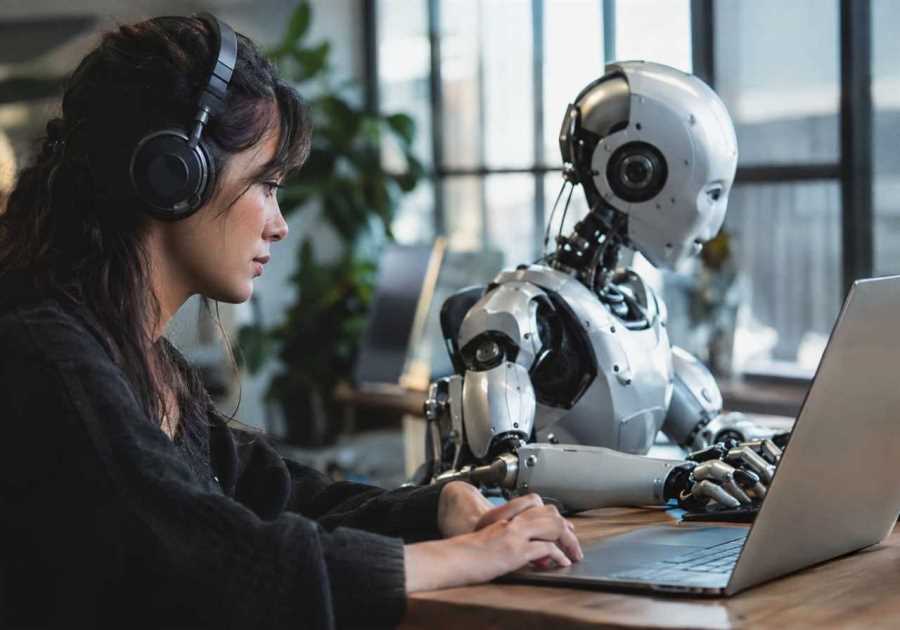
A few years back, starting a business meant hiring people. A web developer. A marketer. Maybe a bookkeeper if you were serious about it. Now? One person with a laptop and an idea can do a lot of that themselves.
That's the shift happening right now, and it's a big one.
What's actually changing
AI tools are taking over the repetitive, specialized work that used to require outside help. Need a website? AI can build a rough version in an afternoon. Need marketing copy? Same story. A brand, a prototype, a customer support flow — all of it is suddenly within reach for someone working alone at their kitchen table.
Jaime Raymond, Head of Product and Design at Bizee, which has helped a huge number of people launch businesses, put it bluntly: "That isn't a fringe group of side hustlers, that's the shape of American business. AI didn't create that. It made it survivable."
That line stuck with me. AI didn't invent the solo entrepreneur. It just made it possible for more of them to actually make it work.
Why this matters to anyone thinking about starting something
Here's the thing I've learned from building my own thing while traveling full-time since 2017: you don't need everything figured out before you start. You need enough to begin, and the willingness to adjust as you go.
That's exactly what's happening now, just at a bigger scale. An employee with an idea can test it nights and weekends without quitting their job. A freelancer can build something more structured without hiring a team. A small-business owner can take on tasks that used to require another set of hands.
The distance between "I have an idea" and "I'm actually doing it" is shrinking. And honestly? That's good news. The world needs more people finding out what they're capable of, not fewer.
But here's the catch
Starting cheap doesn't mean staying in business is cheap. Raymond nails this too: "AI made starting a business cheap. It did not make running one cheap."
If everyone has access to the same tools, a polished website and a slick logo stop being an advantage. They become table stakes. When the barrier to building drops for you, it drops for your competitors too. So the real question becomes: when anyone can build fast, what makes your thing worth choosing?
I've run into this myself. It's easy to launch something. It's a lot harder to give people a genuine reason to pick you over the next person doing basically the same thing.
What still matters — maybe more than ever
A few things haven't changed, and I don't think they will.
A product still needs a real market. A business still needs customers who actually have the problem you're solving. AI can help you generate ideas and process information, but it can't tell you which idea is actually worth your time. That's judgment. That's still on you.
Trust matters more too. When anything can be built quickly, people start asking harder questions about who's behind it and whether it'll actually deliver. And distribution — getting your work in front of the right people — is still a human game. Relationships and reputation don't scale the way code does.
So maybe AI isn't the advantage itself. Maybe it's the thing that buys you time and headspace to focus on the parts that actually create lasting value — understanding your customer, building trust, standing apart.
What this means for you
If you've ever had a business idea sitting on a shelf because you didn't have the money or the team to pull it off, that excuse is getting weaker by the month. You can start small. Put something in front of real people. Learn fast. Add resources as it proves itself.
I didn't wait until I had everything figured out to start traveling and building a life around it. I started with what I had and adjusted along the way. That's the same approach working for a new wave of entrepreneurs right now — just with better tools than I had.
The question isn't whether you can start something anymore. It's whether you know what's actually worth starting.
So — what's the idea you've been sitting on?
Source: VentureBeat
See also our earlier piece: When a Banner Ad Can Hack Your Phone Without You Clicking Anything