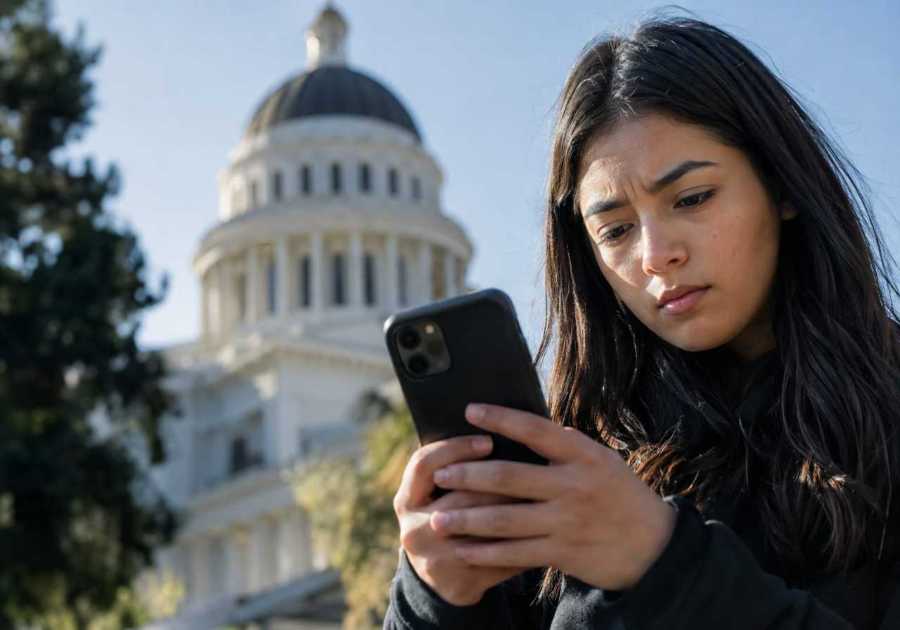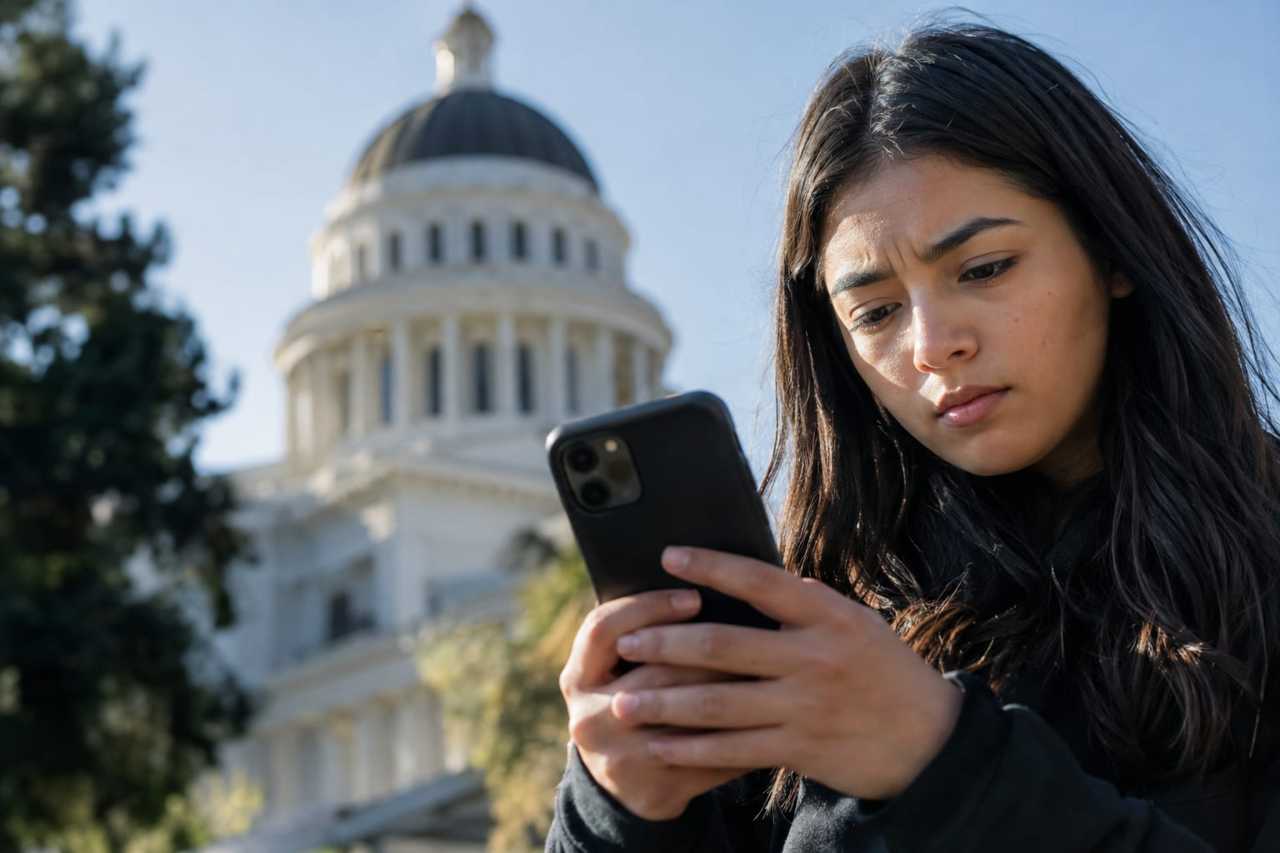
What if every time you opened Instagram, a label popped up warning you it might be bad for your health?
That's basically what California tried to do. And now an internet trade group is suing to stop it.
The lawsuit, reported by Courthouse News, challenges a California law requiring social media platforms to slap warning labels on their apps — similar to the ones on cigarette packs. The trade group representing internet companies says the state has overstepped. California says it's protecting people, especially kids, from a product it believes is causing real harm.
So who's right?
Why California Wants Warning Labels in the First Place
This isn't coming out of nowhere. For years now, there's been a growing drumbeat — from parents, researchers, and even the U.S. Surgeon General — about social media's effect on mental health, especially for teenagers. Rising anxiety. Sleep problems. Comparison culture cranked up to eleven.
California lawmakers looked at that and decided a warning label made sense. Like the ones on alcohol. Like the ones on cigarettes. A simple heads-up: this product may not be good for you.
Makes sense on paper. But here's where it gets messy.
Why the Internet Trade Group Is Pushing Back
A warning label sounds simple until you ask who decides what it says, how it's enforced, and whether the government even has the right to force a private company to print a message it doesn't agree with.
That's the heart of this lawsuit. The trade group is arguing this isn't just a public health measure — it's compelled speech. The government telling a business exactly what words it has to display, whether the business agrees with the science or not.
We've seen this fight before. Tobacco companies fought warning labels for decades. Eventually they lost, because the evidence became overwhelming and the courts decided public health outweighed the First Amendment concerns. Social media companies are betting the evidence isn't there yet, or at least not settled enough to force their hand the same way.
I find this genuinely interesting, not because I run a social media platform — I don't — but because I live a big chunk of my life through one. I post updates from wherever I happen to be that week. I connect with people I've met on the road. Social media, for me, has been a tool of freedom. It lets me stay independent while staying in touch.
But I've also watched younger folks I meet while traveling disappear into their phones in a way that worries me. So I get both sides of this. The platforms built something incredibly useful. They also built something that can genuinely mess with how people, especially young people, feel about themselves.
What Happens Next
This case is going to take a while to sort out. Lawsuits over free speech and compelled labeling don't move fast, and this one will likely bounce through appeals regardless of who wins the first round.
But it raises a question worth sitting with: should warning labels even work the way we think they do? Cigarette warnings didn't stop everyone from smoking. They changed behavior at the margins, slowly, over decades, alongside taxes, advertising bans, and cultural shifts. A sticker alone was never the whole plan.
So would a label on an app actually change how a 15-year-old scrolls at 11 p.m.? Maybe. Maybe not. Maybe the real fix isn't a warning at all, but better tools for parents, smarter defaults for algorithms, or just more awareness passed along kitchen tables instead of courtrooms.
I don't have the answer. Nobody does yet, which is exactly why this case matters. It's forcing a public conversation that was overdue anyway.
What I keep coming back to is this: technology moves fast, and law moves slow. California is trying to catch up to something that changed how an entire generation thinks and feels, using tools built for tobacco and alcohol. That might work. It might not fit at all.
Either way, I'll be watching this one closely, phone in hand, somewhere out on the road, curious to see how it plays out.
Source: Courthouse News
Read our previous article: Your Website Isn't the Destination Anymore. It's the Library.