
According to recent marketing research, 60% of consumers have made a purchase because of a promotional email, and 86% say they want to hear from brands they regularly do business with (Thrive Themes, 2024). At the same time, studies show that personalized offers can reduce customer acquisition costs by up to 50% while increasing revenue by 10–15% (Envive, 2024).
These numbers highlight an important reality for small businesses: customers are willing to buy—but only when the offer feels relevant, valuable, and easy to say yes to.
In a crowded market where attention is limited and trust must be earned quickly, generic discounts and vague promises no longer work. Small businesses need offers that feel clear, timely, and intentionally designed around the customer’s real needs.
Below are seven proven ways to create offers customers truly can’t ignore.
1. Solve One Clear Problem—Not Everything
The strongest offers focus on solving one specific, painful problem instead of trying to showcase everything your business does. When an offer tries to appeal to everyone, it usually resonates with no one.
Customers make decisions faster when they immediately recognize their own problem in your messaging. Clarity reduces friction, and reduced friction leads to higher conversions.
Instead of promoting “full-service marketing,” frame your offer around a single outcome:
- “Get consistent weekly content without hiring staff.”
- “Stop losing leads because follow-ups fall through the cracks.”
If your customer instantly thinks, “That’s exactly my issue,” your offer is already doing its job.
2. Create Real Urgency Without Pressure Tactics
Urgency works because it helps people overcome procrastination—not because it tricks them. Ethical urgency gives customers a legitimate reason to act now instead of delaying indefinitely.
Examples of honest urgency include:
- Limited onboarding slots per month
- Seasonal availability
- Time-bound bonuses with real deadlines
Without urgency, even interested prospects often wait too long and never come back. Urgency answers the question customers rarely ask out loud: Why should I do this today instead of later?
3. Stack Value Instead of Cutting Price
Discounting prices can grab attention, but it also lowers perceived value and attracts price shoppers who rarely stay long-term. A more effective strategy is value stacking.
Value stacking keeps your core price intact while increasing perceived value by adding meaningful bonuses.
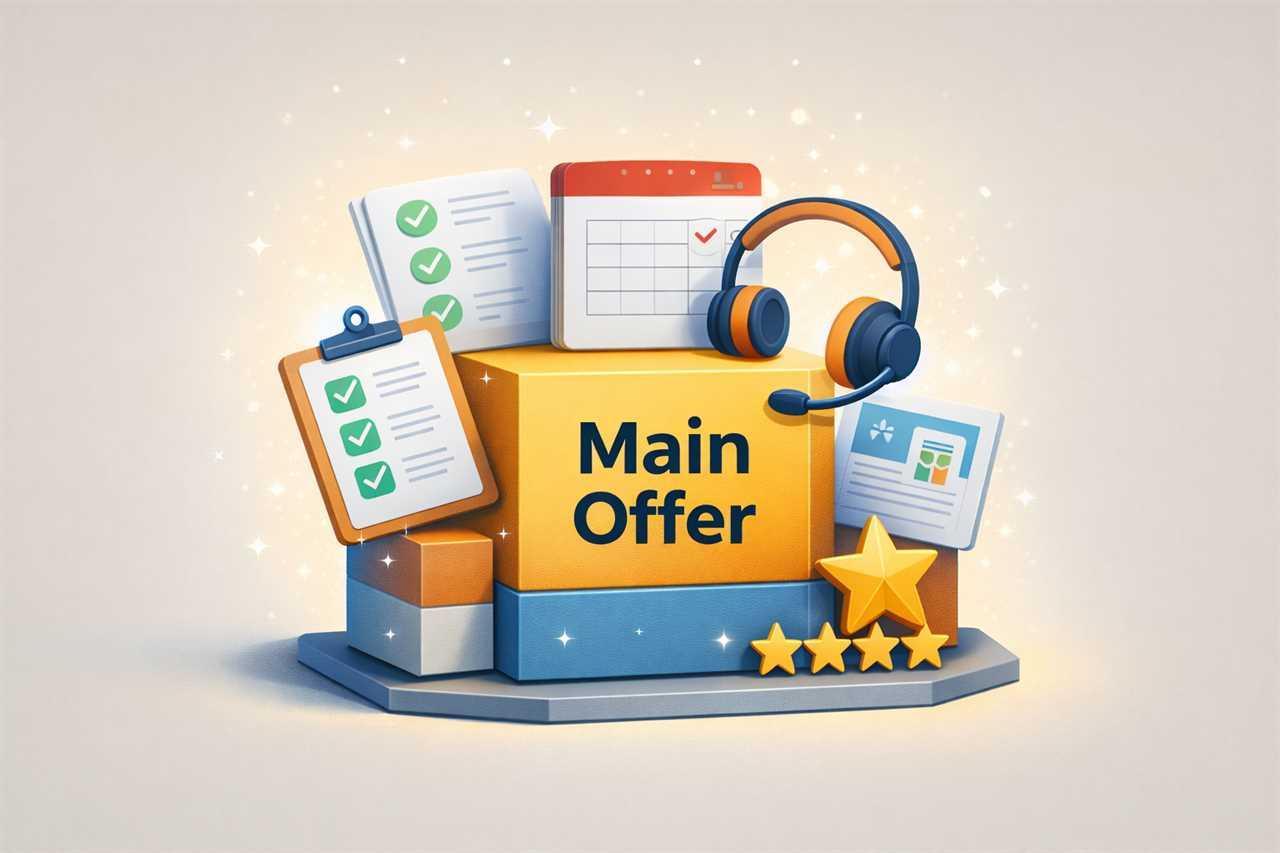
Common value-stack elements include:
- Checklists and templates
- Setup or onboarding assistance
- Priority support
- Training videos or guides
When customers feel they are getting more than they’re paying for, hesitation drops and confidence rises.
4. Make the Outcome Obvious, Not the Features
Customers don’t buy features—they buy results.
Compare the difference:
- “Content automation software”
- “Your offers stay visible online even when you stop posting”
The second example makes the outcome unmistakably clear.
Research shows that nearly half of consumers research businesses online before making a purchase decision (Hostinger, 2024). If your offer doesn’t quickly communicate what improves after they buy, they’ll move on to one that does.
Always ask yourself: What does life look like for the customer after they say yes?
5. Place Social Proof Where Decisions Are Made
Trust accelerates buying decisions, and social proof is one of the fastest ways to build it.
Instead of hiding testimonials on a separate page, place them directly inside the offer. Even short proof elements can dramatically improve conversions.
Effective social proof formats include:
- One-sentence testimonials
- Result-focused quotes
- Short before-and-after statements
Studies consistently show that over 80% of consumers trust recommendations from other people more than advertising, making social proof one of the most powerful tools available.
6. Reduce Risk With a Clear Guarantee
Fear of loss often outweighs the desire for gain. Risk-reversal removes that fear.
A guarantee doesn’t need to be complex:
- Money-back guarantees
- Trial periods
- Cancel-anytime terms
- “We’ll fix it if it doesn’t work” promises
A strong guarantee communicates confidence and reassures the customer that trying your offer is safe.
7. Keep Your Offer Visible With Automated Distribution
Even the best offer will fail if people don’t see it often enough.
Consistency builds familiarity, and familiarity builds trust. The challenge for most small businesses is maintaining visibility without spending hours every day posting content.
Automation solves this problem.
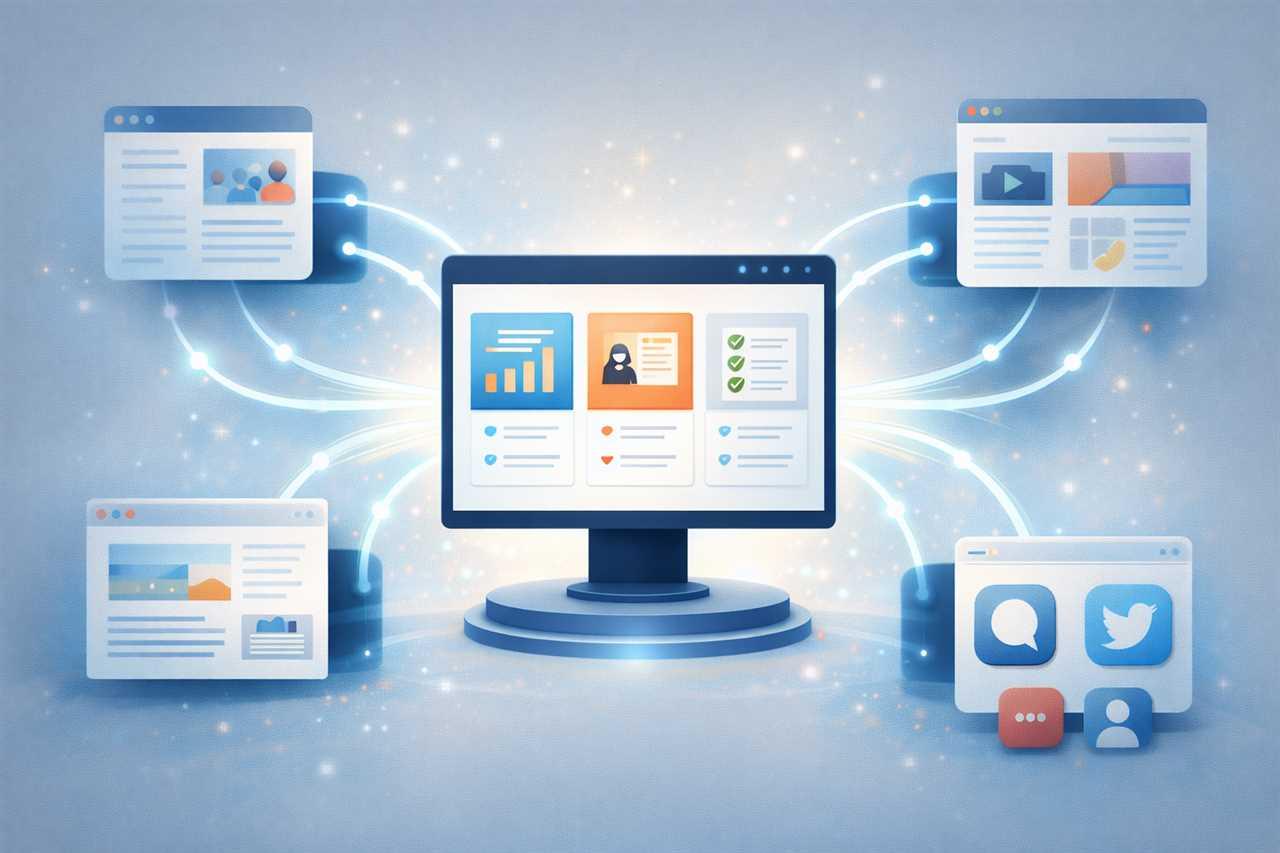
Tools like RSS Masher allow small businesses to automatically distribute content and offers across websites and platforms. Your offer continues to show up, even when you’re focused on running your business.
👉 Want more eyes on your offers—without spending more time creating content?
RSS Masher helps your best offers stay visible and working for you around the clock.
Final Thoughts
Irresistible offers aren’t built on hype. They’re built on clarity, relevance, value, trust, and visibility.
When customers clearly understand who an offer is for, what problem it solves, why it matters now, and why it’s safe to say yes, the decision becomes easy.
Strong offers don’t chase customers. They guide customers forward.
References
Thrive Themes. (2024). Small business marketing statistics. https://thrivethemes.com
Envive. (2024). Personalization and conversion lift statistics. https://www.envive.ai
Hostinger. (2024). Small business and consumer behavior statistics. https://www.hostinger.com