I've stood in enough airports, subway stations, and highway rest stops over the last eight years to notice something: the screens keep multiplying. Every terminal, every gas pump, every elevator wall seems to have a little rectangle trying to sell me something now. Turns out there's a real reason for that, and it's not just marketers running out of ideas.
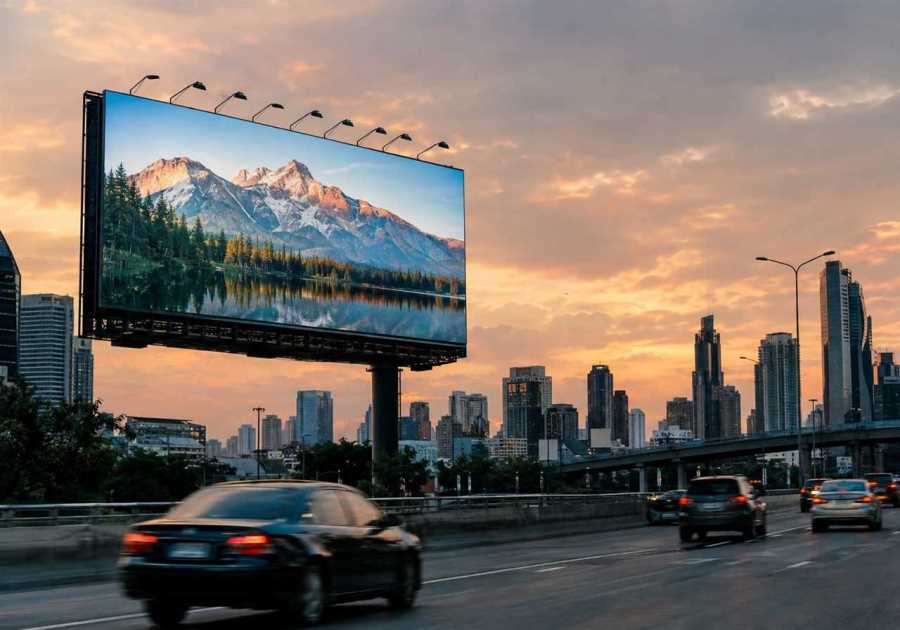
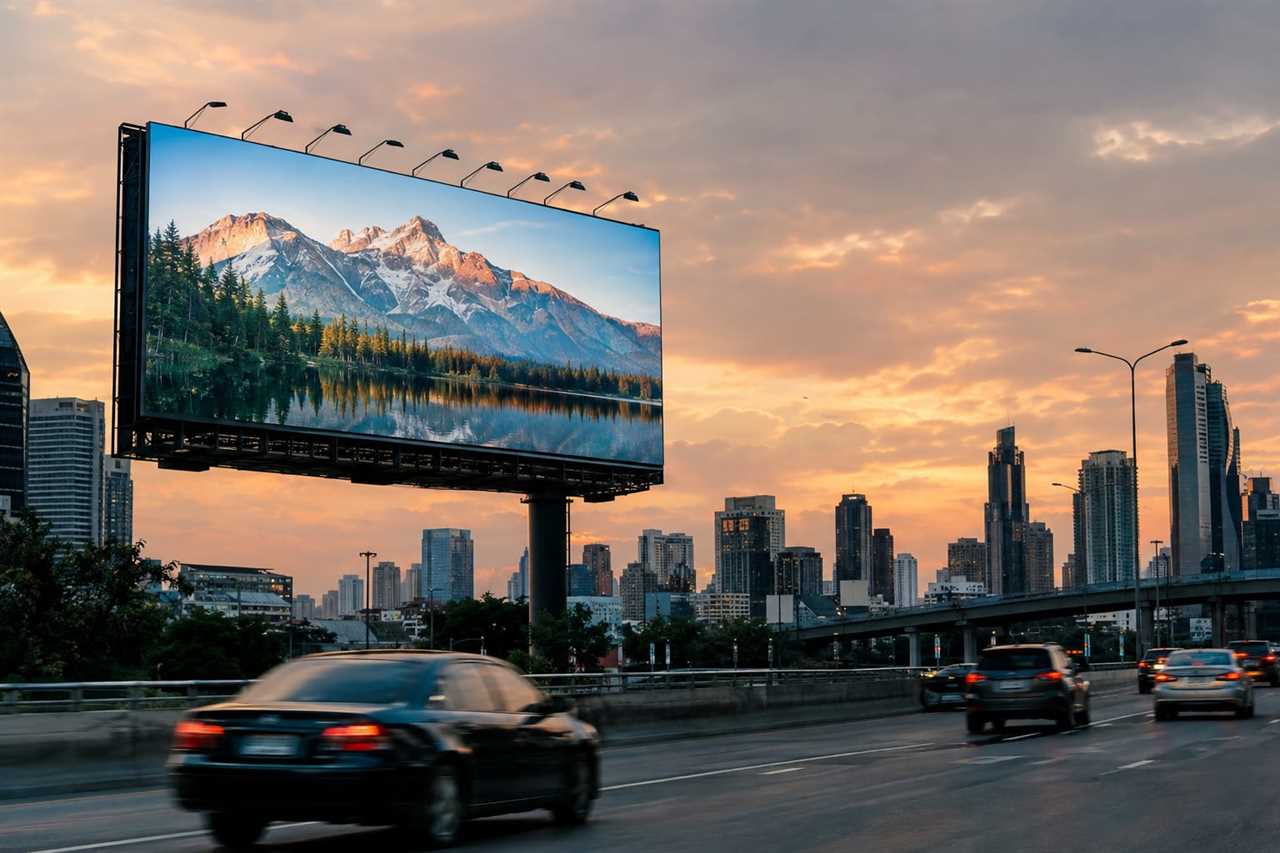
At Advertising Week, the hot topic wasn't AI chatbots or influencer deals. It was out-of-home advertising. Billboards. Wheatpastes. Digital screens bolted to the sides of buildings. The oldest advertising format on earth is having a moment, and AI is the reason why.
Here's the number that caught my eye: U.S. out-of-home ad revenue hit a record $3.16 billion in the second quarter, up 10.7% from a year earlier, according to the Out of Home Advertising Association of America. Digital out-of-home, the programmable screens, grew even faster, up 18.5%, and now makes up nearly 40% of that total.
So why now? Because the internet is getting harder to trust, and AI is a big part of that.
A 2024 Adobe report found 87% of U.S. consumers say generative AI has made it harder to tell fact from fiction online. Mariano Jeger, a former executive creative director at Droga5, left the agency world for Outfront Media, the out-of-home company, partly because of that erosion. When nobody's sure what's real online anymore, a physical billboard you can walk past and touch starts looking pretty trustworthy by comparison.
There's a second piece to this, and it's even stranger. AI tools like ChatGPT, Claude, and Gemini are answering people's questions directly, so fewer people ever click through to the websites where that information came from. Add in AI agents, like Amazon's recent move to block a tool called Muse from crawling its site, and you've got software doing tasks for people without ever showing them an ad. That's the whole business model of the open web starting to wobble.
So where does the money go? Back into physical space. Makes sense when you think about it. You can close a browser tab in half a second. You can't close a subway platform.
I think about this every time I land somewhere new. Part of what makes travel interesting to me is noticing how a place actually works, not just what the guidebook says. And lately what I notice is how much of public space has quietly become a media company. Rideshares, airlines, grocery stores, retailers, any business with a captive audience and four walls, is realizing it's sitting on ad inventory. The logic of retail media is leaking out of retail stores and into basically everywhere humans gather.
That's not without a cost. New York Times journalist Ezra Klein said on his podcast that moving to New York three years ago, he found the sheer volume of subway and bus advertising kind of sad. Fair point. Then again, he noted the MTA only pulls about 1% of its operating revenue from those ads. Which raises a real question: would riders rather pay a little more for their fare and get their subway back, ad-free? I don't know the answer, but it's worth asking.
Here's the tension nobody's solved yet. Every other ad channel lets you opt out. Turn off the TV. Skip the ad. Close the app. Out-of-home doesn't work that way. As more of the physical world turns into inventory, we lose the ability to just look away.
I've traveled full-time since 2017, and one thing travel teaches you fast is how much a place's character depends on what it leaves alone. The quiet corners. The unbranded moments. If every subway tile and bus shelter becomes a screen, we're trading something real for something monetized, and I'm not sure that's a trade most people would choose if you actually asked them.
AI spent twenty years pulling advertising dollars onto the internet. Now it might be pushing some of that money right back out into the physical world we actually live in. Worth watching how much of that world we're willing to hand over.
Source: ADWEEK
Still catching up? Start with Classic Marketing Automation Is Dead. So What's Replacing It?