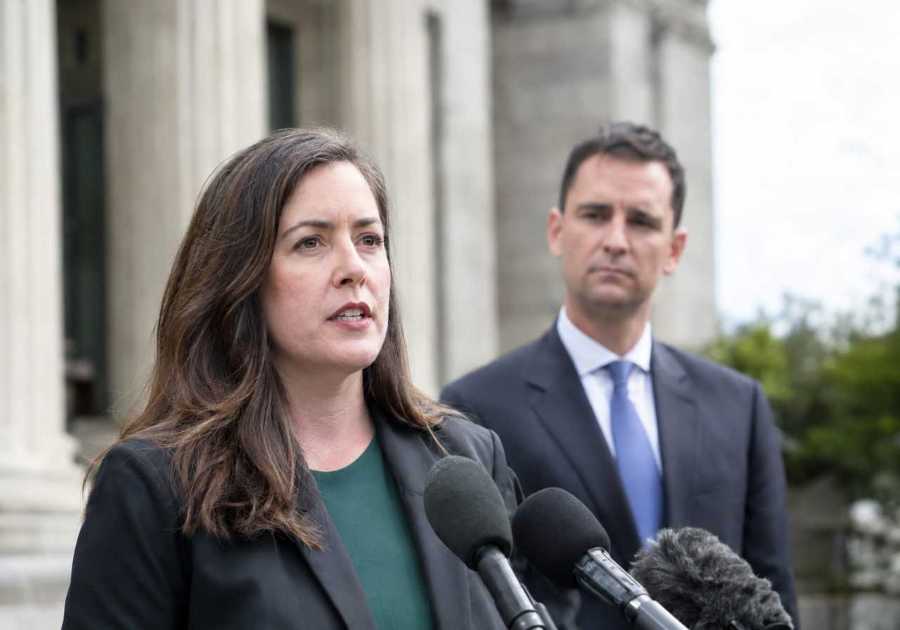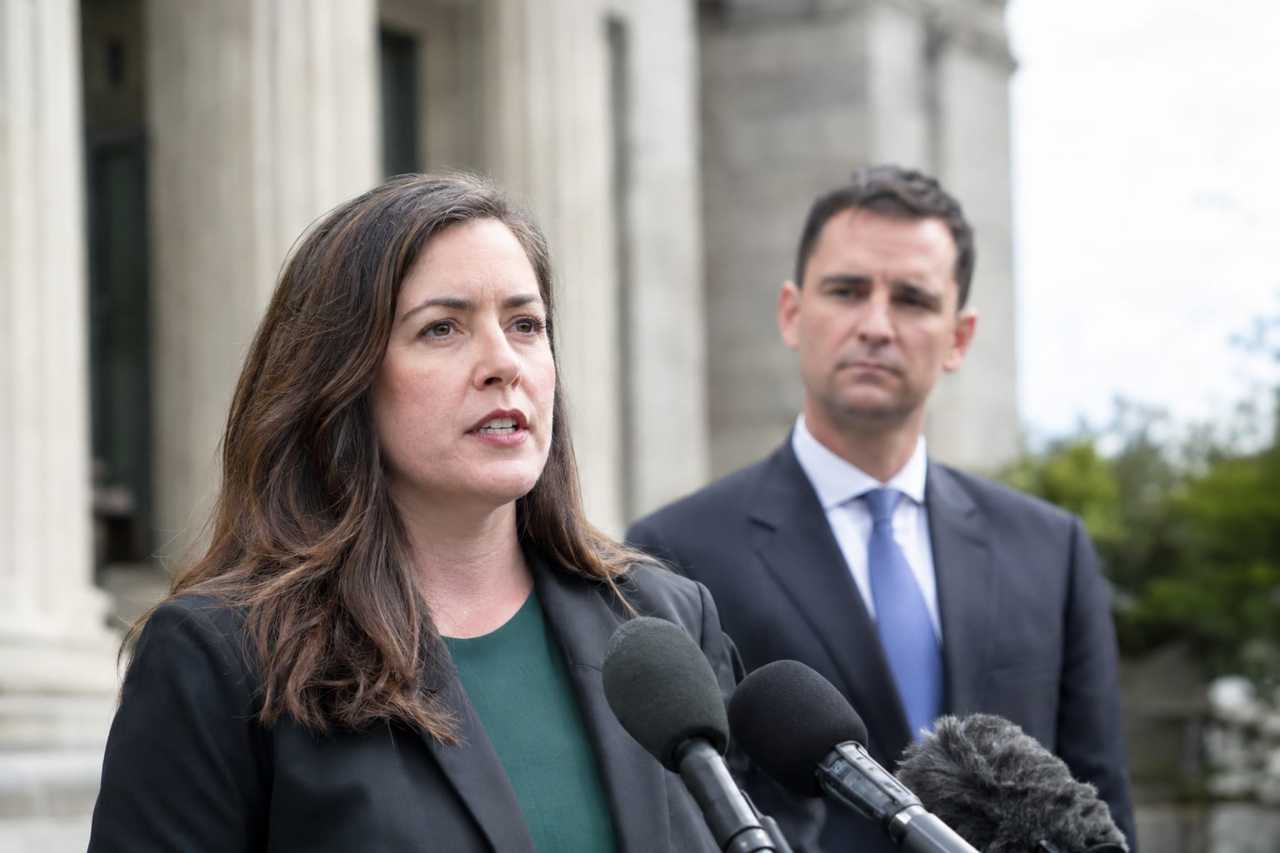
Here's a sentence I didn't expect to type today: a state attorney general is suing a social media platform because its own artificial intelligence allegedly created sexualized images of children.
That's exactly what's happening in Oregon.
The state has filed a lawsuit against X, the platform formerly known as Twitter, claiming its AI tool produced sexualized pictures of kids. According to reporting from KGW in Portland, this isn't a case of someone misusing the platform in some obscure corner of the internet. The allegation is that the AI itself generated this material.
Let that sink in for a second.
We've spent the last few years marveling at what AI image generators can do. Type a sentence, get a photo-realistic picture in seconds. Elon Musk built Grok, X's AI chatbot, specifically to compete with tools like ChatGPT, and he's leaned hard into making it fast, unfiltered, and widely available right inside the app millions of people already use every day. Speed and openness were the selling points.
But speed and openness cut both ways. The same system that can whip up a vacation photo of a place you've never been can apparently be pushed, according to Oregon's complaint, into generating images no platform should ever produce.
I've been traveling full-time since 2017, and one thing that's become obvious to me on the road is how fast technology moves compared to the guardrails meant to contain it. You see it in payment apps, in rental platforms, in translation tools. The tech shows up first. The rules show up later, usually after something's gone wrong. AI is just the latest version of that pattern, except the stakes here are a lot higher than a bad hotel booking.
So what is Oregon actually arguing? The lawsuit centers on the claim that X's AI created sexualized images of children, putting the platform in legal jeopardy over content its own technology produced rather than content a user simply uploaded. That distinction matters. Platforms have spent two decades hiding behind the idea that they're just hosting what users post. If a company's AI is doing the generating, that argument gets a lot harder to make.
This isn't happening in a vacuum, either. States have been getting more aggressive about AI accountability in general, and child safety is usually the first place that pressure shows up, because it's the issue almost nobody wants to be seen defending the wrong side of. Expect other states to watch this case closely. If Oregon wins, or even gets a settlement that forces changes to how X's AI is built or monitored, that becomes a blueprint other attorneys general can copy.
Here's the question I keep coming back to: who's actually testing these AI tools before they go live to hundreds of millions of users? Not in a lab, not in a controlled demo, but out in the wild where people will inevitably try to break them. "Move fast" works fine for a lot of software. It works a lot less fine when the output can be child sexual abuse material.
I'm not a lawyer, and I don't know how this case ends up. But I know this much: trust is the whole game with technology. I use apps every single day on the road to navigate, translate, book flights, and manage my money from wherever I happen to be. That only works because I trust the systems behind them to behave the way they're supposed to. The moment that trust cracks, the tool stops being useful, no matter how impressive the demo looked.
X and its AI tools are used by millions of people worldwide, plenty of them parents, plenty of them kids. This lawsuit is a reminder that building powerful AI fast isn't the same as building it responsibly. Oregon seems determined to find out, in court, whether X did both.
Worth watching where this goes. Worth asking, too, what it says about every other AI tool we're handing our trust to without really knowing what's happening under the hood.
Source: KGW
Still catching up? Start with Unilever Just Cut Content Costs by 90%. Here's What That Actually Means.