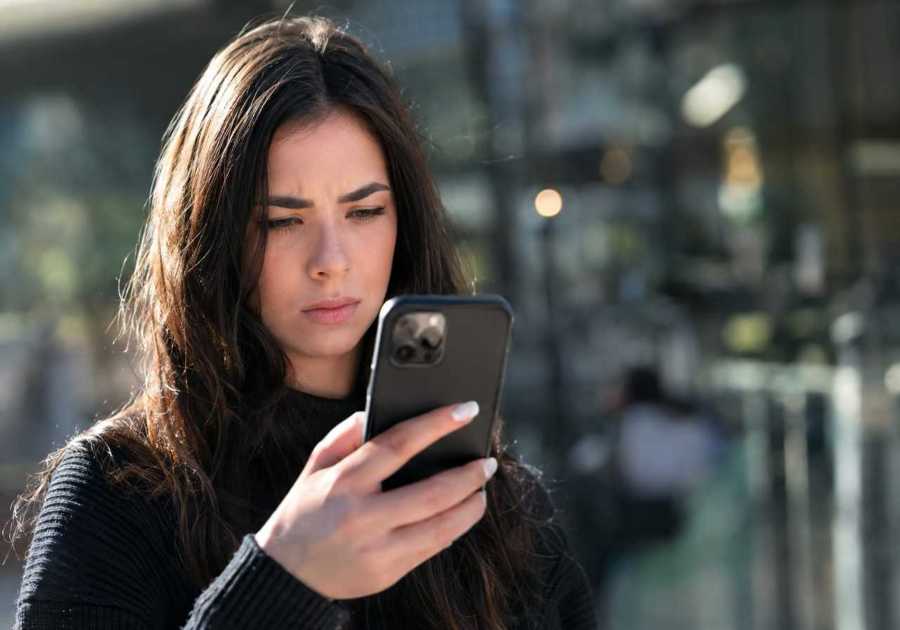
Scroll through TikTok for five minutes and try to guess how much of it is actually real.
Go ahead. I'll wait.
That's harder than it used to be, and TikTok knows it. The platform just rolled out new tools to check AI-generated content, according to Telecompaper. The idea is simple: give users and creators a way to identify what's been touched by artificial intelligence before it goes viral and nobody can tell the difference anymore.
I've been traveling full-time since 2017, and I post a lot of video from the road — real places, real weather, real mistakes I make trying to find a trailhead in the dark. So when I hear about AI content tools, my first question isn't "how does the technology work?" It's "what happens to trust when nobody can tell who actually went somewhere?"
Because that's the real issue here. Not whether AI can generate a convincing beach sunset or a fake hiking trail review. It can. The question is what that does to the rest of us who are out there actually doing the thing.
Think about it from a traveler's angle. Say you're planning a trip to some remote corner of Portugal or a hidden canyon in Utah, and you find a TikTok video that makes it look incredible. Beautiful light, perfect angles, a caption full of tips. Did someone actually go there? Or did an AI stitch together a destination that doesn't exist, or exaggerate one that does?
That's not a hypothetical anymore. It's already happening with travel content specifically — AI-generated "destinations" that look stunning and are either wildly exaggerated or completely invented. People have shown up to locations expecting what they saw online, only to find nothing close to it.
So TikTok's move toward content verification tools matters more than it might seem at first glance. It's not just about catching AI-generated political content or deepfaked celebrities, although that's clearly part of it. It's about restoring some baseline trust to a platform where a huge number of people — especially younger travelers — go to decide where to go next, what gear to buy, what to believe.
I'm curious how this actually works in practice, though. Labeling AI content sounds straightforward until you ask: who decides what counts? A video that's 90% real with AI-enhanced color grading — does that get flagged? What about creators who use AI for captions or voiceovers but film everything themselves? The line isn't as clean as a toggle switch, and I'd bet TikTok is going to spend the next year adjusting these tools as fast as people find ways around them.
That's the pattern with every platform trying to solve the AI content problem. Try something, see what breaks, fix it, try again. It's the same approach I use when I'm figuring out a new country or a new way to work remotely — you don't get it right the first time, you just keep adjusting until it makes sense.
Here's why this matters to you, whether you're on TikTok or not. The tools being built right now to verify AI content on one platform are going to shape how every platform handles this eventually. Instagram, YouTube, whatever comes next — they're all watching to see what works.
And if you're someone who creates anything online — travel videos, product reviews, cooking content, whatever — this is worth paying attention to. Verification tools could become a badge of credibility. The creators who are upfront about what's real and what's AI-assisted might end up more trusted, not less.
I've always believed that real experience is hard to fake convincingly for long. AI can generate a beautiful photo of a mountain. It can't generate the sore legs, the wrong turn, the stranger who gave you directions in a language you didn't speak. That stuff still only comes from going.
So maybe that's the upside here. As AI content floods every platform, the real stuff — messy, specific, lived-in — might actually stand out more, not less.
What do you think happens when everyone can tell the difference? I'd bet the real adventures win.
Source: Telecompaper
Related reading from us: You Can Buy "Human-Sounding" AI Writing for $28. Should You?