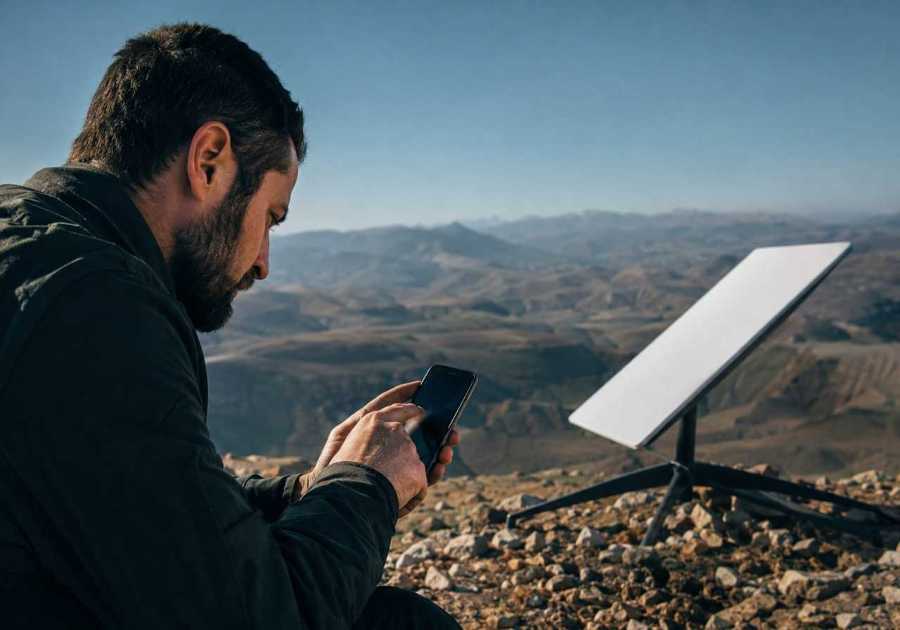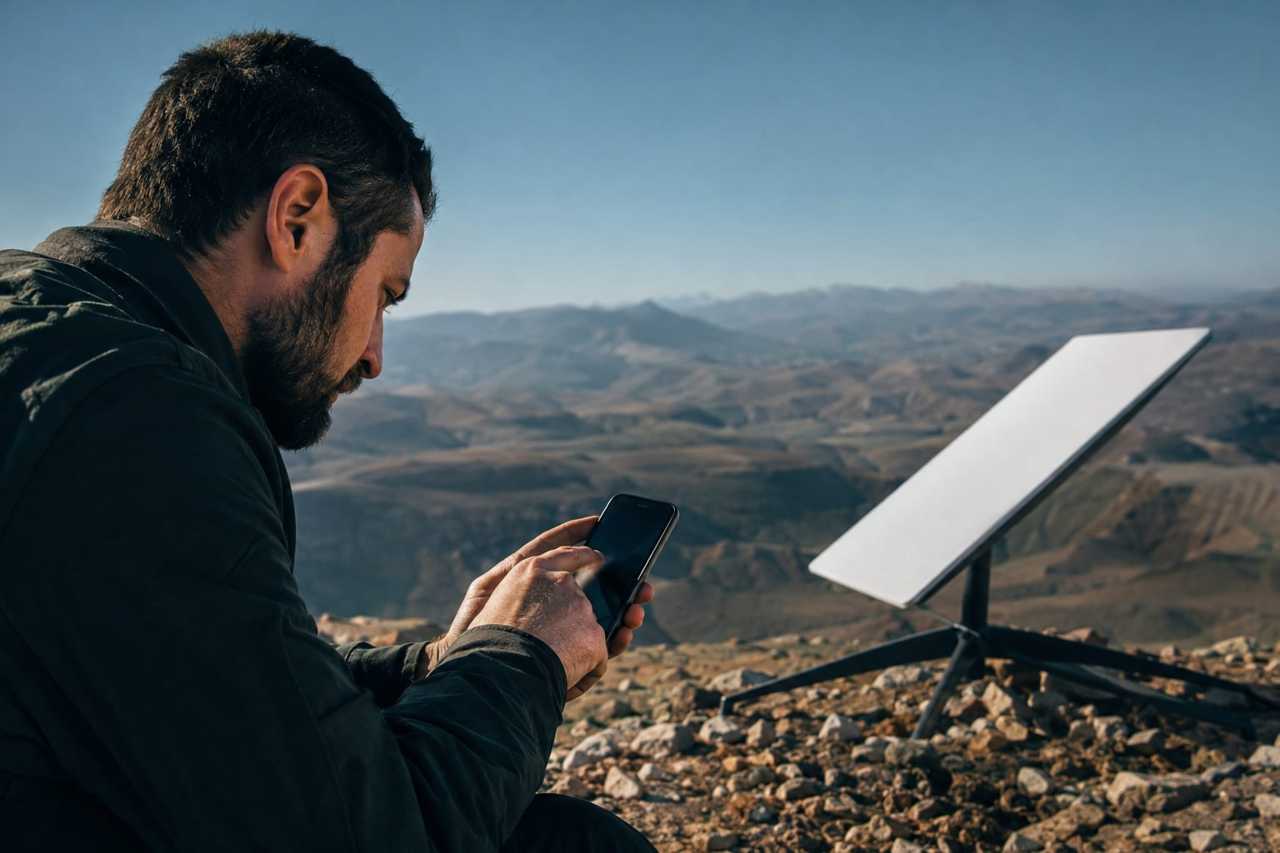
I've been using Starlink for over a year now, bouncing between campsites, remote coastlines, and spots where cell towers don't bother to show up. It's the reason I can write this from a beach in who-knows-where and still hit publish on time. So when I read that an Israeli ad tech company may have been quietly tracking Starlink users through ad auctions, I sat up straight.
Here's what happened. Researchers at TrendAI, a security unit inside Japan's Trend Micro, found something strange while studying ad traffic. One firm, Discover-Tech, kept winning the bidding wars for ads targeted at Starlink users. Not just in a few countries — in more than 100 of them. Reuters broke the story Tuesday, citing six people familiar with the research.
Why would anyone want to flood Starlink users with ads?
That's the question that should bug you too. Normal advertisers chase eyeballs in places where people actually buy things. Discover-Tech was the top ad bidder in Syria, Libya, Yemen, and South Sudan. Places with almost zero market for Western ad campaigns. So why pour money into showing ads nobody's going to click on?
TrendAI's answer, stated with moderate-to-high confidence: this wasn't advertising at all. It looked like "targeting and tracking infrastructure" dressed up as an ad business.
Turns out those split-second ad auctions — the ones that decide which banner shows up in your app — leak more than you'd think. Your rough location, your device type, sometimes enough breadcrumbs to piece together who you are and follow you around the internet. It's the same machinery that serves you sneaker ads, except here it may have been pointed at people using Starlink specifically.
The report that didn't name names
When TrendAI published its findings on October 15th, it didn't call out Discover-Tech directly. Instead, the report used a codename: "Shadow-Earth-79." Sources told Reuters the company's lawyers got nervous about naming the firm outright, so they buried it behind a label.
That's not the only shadow following Discover-Tech around. The same day TrendAI's report dropped, Canada's Citizen Lab said the company had used targeted ads to help deliver spyware onto devices tied to Al Jazeera and other targets. Separately, ad security firm Confiant said it had spotted Discover-Tech's ads showing up inside government and media networks — not exactly where you'd expect run-of-the-mill advertising to land.
Google and other ad platforms have since cut Discover-Tech off. Reuters reached out to the company for more than two weeks and got nothing back. SpaceX didn't respond either.
Why Starlink specifically?
Here's the part that makes sense once you think about it. Starlink dishes connect straight to satellites, skipping local phone networks entirely. That's exactly why Ukraine's military depends on it at the front line — it's hard for anyone to shut down or filter. But that same independence makes Starlink users a juicy target for anyone trying to figure out who's using it and where.
This isn't even the first time this has come up. Back in May, the Israeli paper Haaretz reported that Israeli-owned businesses were already offering clients tools to identify and track Starlink users, with ad data doing the heavy lifting.
So what does this mean for you?
If you're like me and you rely on Starlink to stay connected while living untethered, this is worth knowing. The freedom that satellite internet gives you — the ability to get online anywhere, answerable to no local provider — comes with a new kind of exposure. Not from hackers breaking in, but from ad auctions quietly leaking who and where you are.
I'm not packing up the dish. Starlink's still the best tool I've found for staying connected on the move, and SpaceX is only expanding — it's now seeking 80,000 cell sites in the US for its mobile service. But I'll be asking more questions about who's watching the watchers. Adventure has no age limit, but it pays to know who's tagging along for the ride.
Source: The Next Web
Related reading from us: Is 2026 the Fakest Year in Music? Here's What I Found Digging In