Ever read an article online and wondered, "Wait, who actually wrote this?"
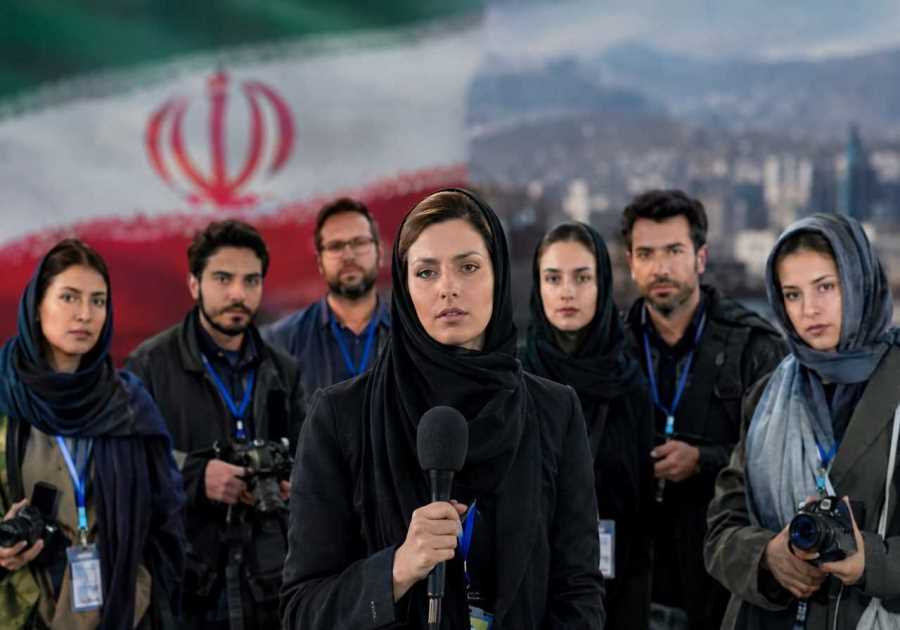
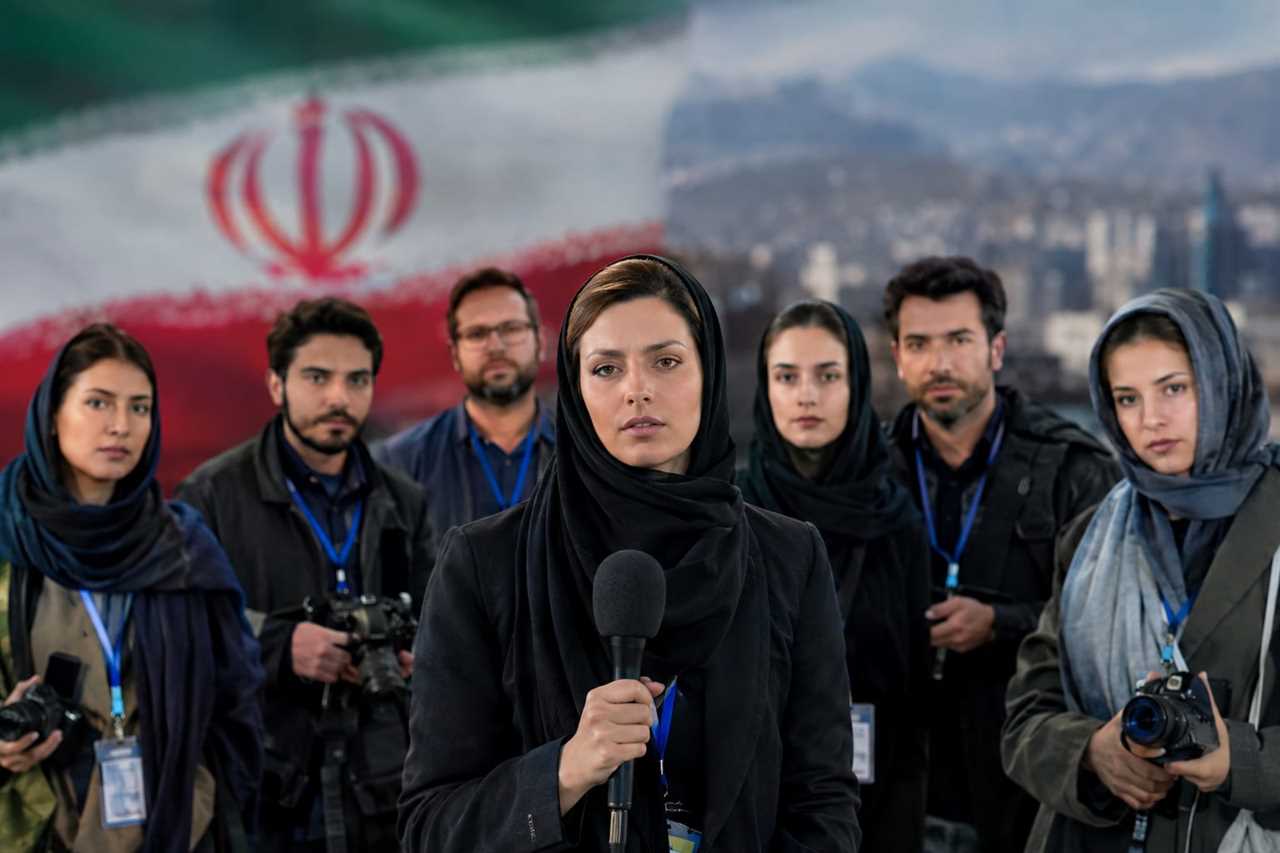
Turns out that's a smart question to ask these days. OpenAI just confirmed that Iran built at least seven fake journalist personas using ChatGPT, then used them to plant anti-Israel and anti-US articles in real media outlets around the world. Not fringe blogs nobody reads. Outlets with millions of followers.
Meet the Journalists Who Never Existed
Ervin B. Hoskins. Noah Lamington. Sophia Gonzalez. Michael Harrison. Ericka Feusier. Jenny Williams. Alice Johnson.
Seven names, seven bylines, zero actual people. All of them were built to look like Western journalists covering international politics, the Middle East, human rights, and conflict. That's the kind of beat that earns trust fast, especially if the writing sounds polished and informed.
And it did sound polished. That's the part that should get your attention.
The Jerusalem Post tracked some of these phantom writers down. "Noah Lamington" published a piece in International Policy Digest headlined "The Knesset Revolt Netanyahu Couldn't Prevent," painting Israeli politics as crumbling from within. "Sophia Gonzalez" showed up in the News Register with a piece about diplomacy becoming "another weapon of war." "Ericka Feusier" wrote extensively about instability in Iraq and American unemployment, landing in outlets like Eurasia Review and Common Dreams.
Real headlines. Real publications. Fake people behind every word.
How Big Did This Get?
OpenAI identified nearly 100 articles from this operation that made it into syndicated outlets and small-to-medium publications worldwide. One site that ran these pieces had close to two million Facebook followers, 355,000 on X, and over 544,000 on Instagram.
That's not a guy in a basement. OpenAI rated the campaign a four out of six on its influence operation scale, specifically because it succeeded in getting content placed in mainstream media. The earliest article showed up in July 2025. The output ramped up hard once the US-Iran conflict broke out, with the latest piece appearing in October 2026.
Interestingly, the operators also tried seeding social media with comments to make their articles look popular. In one case in July, a burst of X posts claiming the US was planning a "large-scale assault" on Iran got a flurry of comments within a 10-to-13-minute window, some sharing screenshots of the fake articles. OpenAI says none of that social chatter actually caught on. The comments flopped. The articles, though? Those got through.
OpenAI thinks this was likely a for-hire commercial operation, not a government press office. Which raises an interesting question: if you can rent this kind of thing, who else is buying it?
This Isn't New. It's Just Faster
OpenAI pointed out that this whole playbook isn't original. It closely echoes "Alice Donovan," a fake journalist Russia invented back in 2017 to push its own narratives. Same trick, different decade. What's changed is the speed and polish. AI didn't invent disinformation. It just gave it a faster typewriter and better grammar.
Why This Should Matter to You
I've spent years reading news from wherever I happen to be, airports, cafes, hostels, trying to figure out what's actually happening in a place before I land there. You learn pretty quickly that not everything printed under a byline deserves your trust.
What strikes me about this story isn't that Iran did it. It's how easy it apparently was, and how long it worked before anyone caught on. If seven fake journalists can get published in outlets with millions of followers, how many more are out there right now that nobody's flagged yet?
I don't think the answer is to trust nothing. I think it's to ask more questions. Who wrote this? What's their track record? Does this name show up anywhere else, with an actual history attached to it?
Curiosity isn't paranoia. It's just good practice, whether you're checking a byline or checking a map before you wander into unfamiliar territory. Question what's in front of you. Then decide for yourself.
Source: The Jerusalem Post
Missed the last one? Who's Winning the Race to Get Your Brand Noticed by ChatGPT?