A plumber in Annapolis spends $400 on Facebook ads this month. He gets twelve leads, books three jobs, and has no idea which ad actually worked. Sound familiar?
That's the question Eye On Annapolis is asking local service businesses right now, and it's a good one. Because the rules for Facebook and Google ads have quietly shifted, and a lot of small business owners are still running campaigns like it's 2019.
I've run my own small business for years, long before I started traveling full-time in 2017. I remember the first time I put money behind a Facebook ad. I had no idea what I was doing. I picked a photo, wrote some copy, set a budget, and hoped. That's not a strategy. That's a lottery ticket with extra steps.
So what's actually different heading into 2026?
First, privacy changes have reshaped targeting. Apple's tracking restrictions and Google's move away from third-party cookies mean platforms know less about individual users than they used to. That sounds like bad news, but here's the twist: it's pushed both Facebook and Google toward AI-driven, broad-targeting models that actually perform better when you feed them good data. The catch is you have to feed them good data. If your website doesn't track conversions properly, you're training the algorithm with garbage, and it'll keep showing your ads to the wrong people.
Second, costs are up. Competition for local service keywords, think "roof repair near me" or "emergency plumber Annapolis", has gotten expensive because more small businesses have figured out digital ads work. That means a sloppy campaign costs more to run and fails faster. The businesses doing well aren't the ones spending the most. They're the ones measuring the right things.
Third, video is no longer optional. Static image ads still work, but platforms are visibly favoring short video content in both feeds. A fifteen-second clip of a technician actually fixing something, showing the truck, the uniform, the real person, builds trust faster than a stock photo ever will. People hire people, not logos.
Here's what I've learned from running businesses on the road, dealing with vendors and marketing from a laptop in a different city every few weeks: the businesses that win aren't the ones with the biggest budget. They're the ones who ask "what happens if I try this instead?" and actually test it. Most local service businesses set up one ad, run it for six months, and never touch it again. That's like packing for a year-long trip and never checking the weather forecast again after day one.
So what should a small service business in Annapolis, or anywhere, actually do before running ads in 2026?
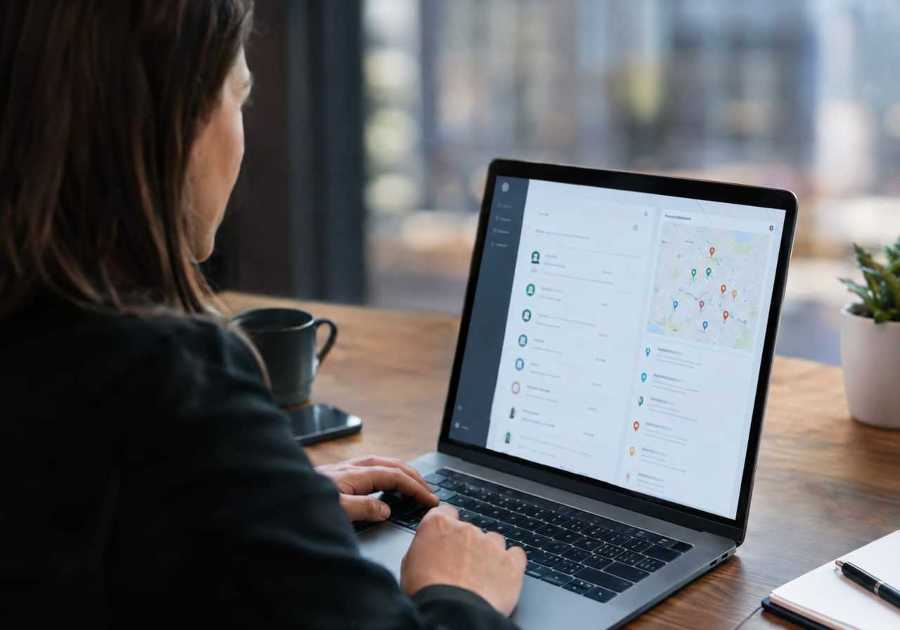
Start with tracking. Before you spend a dollar, make sure you can see which ad led to which phone call or form submission. Google's Local Service Ads and Facebook's conversion tools exist for this. Use them.
Second, test video even if it feels awkward. A $50 phone and five minutes of honest footage beats a polished ad nobody trusts.
Third, expect to spend more per lead than you did a few years ago, and plan your budget accordingly. The businesses that get surprised by rising costs are the ones who didn't build in room to experiment.
Fourth, question the default settings. Both platforms will happily spend your budget however they think is optimal. That's not always what's optimal for you. Dig into the dashboard. Ask why. Adjust.
This isn't really about ads. It's about staying curious instead of running the same campaign because it's what you've always done. I've changed how I market myself a dozen times over the years, because what worked in one country, with one audience, stopped working somewhere else. Businesses evolve. Platforms evolve. The owners who keep asking questions stay ahead. The ones who set it and forget it get passed by.
If you're running a small service business heading into 2026, don't just copy what worked last year. Open the dashboard, look at your numbers, and ask yourself what you'd try if you weren't afraid of getting it wrong. That's usually where the real growth starts.
Source: Eye On Annapolis
Our last article on this: The AI Tools Piling Up On My Desktop in 2026