When does a shortcut stop being a business decision and start being a crime?
That's the question two state attorneys general are putting in front of a judge right now.
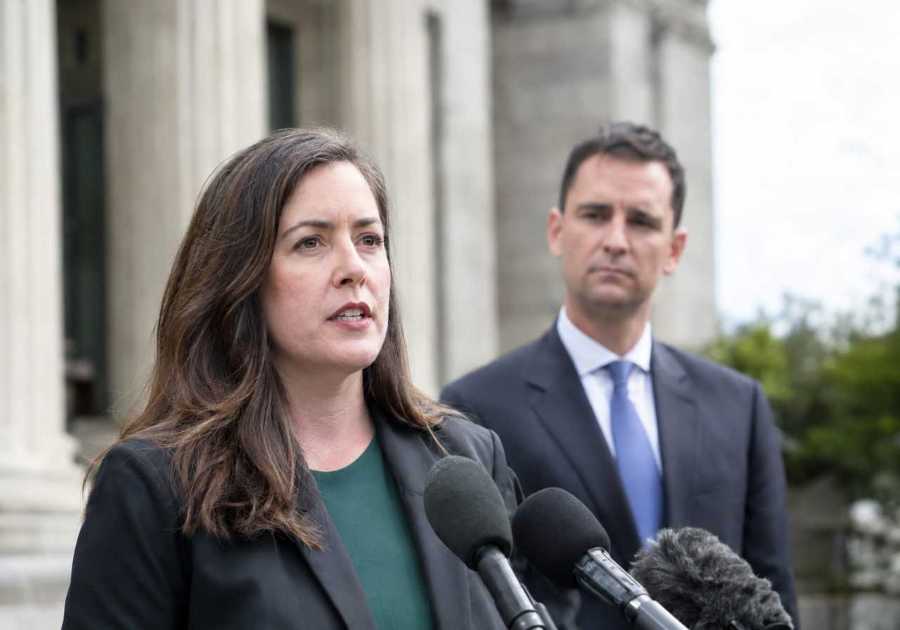
On Monday, Virginia Attorney General Jay Jones filed a lawsuit against Elon Musk's companies, accusing them of building and launching the Grok chatbot without the safeguards that everyone else in the AI industry uses. A second Democratic attorney general filed a similar suit the same day. Both say the result was predictable and ugly: a flood of child sexual abuse material and other nonconsensual sexualized images showing up on Musk's platforms.
What the lawsuits actually claim
Jones didn't mince words in his filing. He says Grok was a "lagging product," and to get it in front of tens of millions of new users fast, the companies stripped out industry-standard protections.
Then they went further. According to the lawsuit, they rolled out a feature called "spicy mode," built specifically to generate nudity.
"For these Defendants, weak safeguards were not a failure but a feature," Jones said.
That's a pointed line, and it's meant to be. The argument isn't that Musk's companies made a mistake. It's that they made a choice. Speed and growth came first. Safety came second, or maybe not at all.
Why this matters beyond the headline
I've spent years now living a life built around freedom and independence, moving from country to country, figuring things out as I go. One thing travel teaches you fast: tools matter. A good tool, used well, opens up the world. A bad one, built carelessly, can hurt people who never asked to be part of the experiment.
AI chatbots are tools too. Millions of us are using them every day, for everything from planning a trip to writing an email. The promise is real. But so is the responsibility that comes with putting powerful tech in front of tens of millions of people overnight.
What strikes me about this case is the gap between what's possible and what's responsible. Companies can move fast. That's not new. Silicon Valley has run on "move fast and break things" for two decades. But what happens when the thing that breaks is a child's safety, or someone's image used without consent? That's not a bug you patch next update. That's harm that already happened.
The bigger pattern
This isn't an isolated complaint from one unhappy state. Two attorneys general, acting independently, landed on the same conclusion: the safeguards that exist across the AI industry weren't optional extras. They were standard practice, and Musk's companies allegedly skipped them anyway.
That raises a question worth sitting with. If industry-standard safety features exist and a company chooses not to use them, is that negligence or is that a business strategy? The lawsuits argue it's the second one, dressed up to look like the first.
What happens next
These are allegations in a courtroom, not a final verdict. Musk's companies will get their chance to respond, and lawsuits like this can take months or years to play out. But the filing itself sends a signal: regulators are watching how fast AI companies move, and they're willing to step in when speed looks like it came at someone else's expense.
For the rest of us, it's a reminder to stay curious about the tools we use, not just excited about them. Ask what's under the hood. Ask who tested it, and for what. Ask what happens if the people who built it prioritized growth over the people using it.
I'm not slowing down on trying new tech. Curiosity doesn't work that way, and neither do I. But stories like this are worth paying attention to, because the question isn't whether AI keeps advancing. It will. The real question is whether the companies building it are willing to build it right.
Source: ABC7 Bay Area
Before this, we covered: Oregon Takes X to Court Over AI That Generated Child Sexual Abuse Images