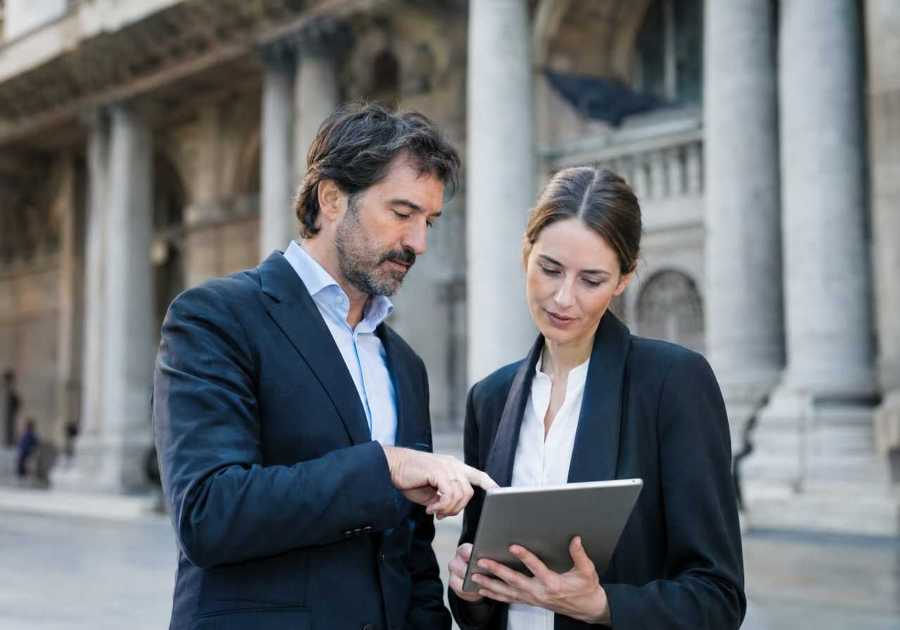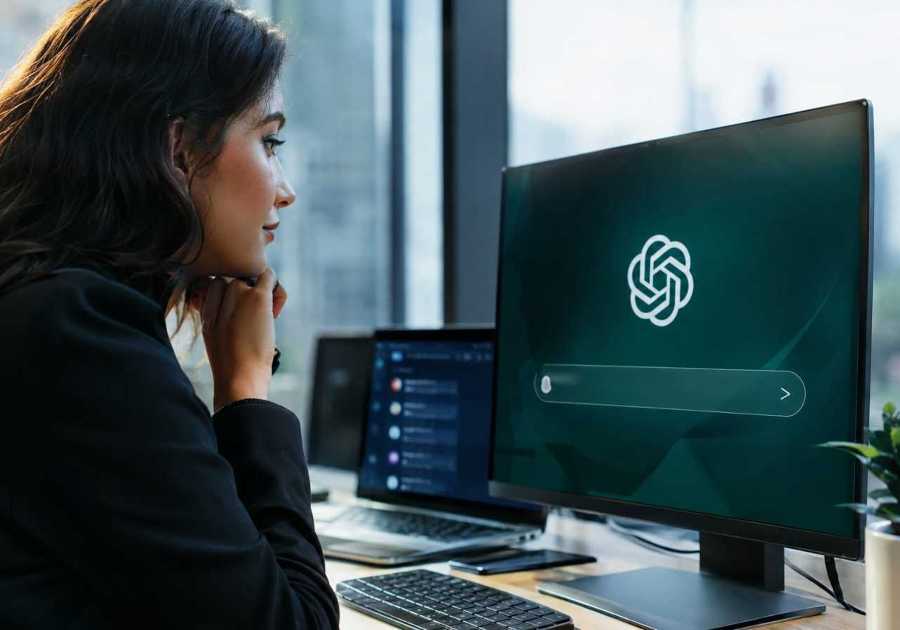
I was in a café in Lisbon last month, half-reading news on my phone, when I asked ChatGPT a simple question about a political story in France. It gave me an answer, but no clear source. That's the exact gap Le Figaro and OpenAI just decided to close.
The two announced a partnership this week that'll bring Le Figaro's journalism directly into ChatGPT. Not just headlines floating in the void—actual summaries and excerpts, with links back to the original stories. If you ask ChatGPT about something happening in France, business trends, culture, lifestyle, whatever Le Figaro covers, you might now get an answer sourced straight from one of France's oldest and most respected newspapers, founded back in 1826.
Why does this matter? Because for the last couple of years, AI chatbots have been answering questions about current events without always telling you where the information came from. That's unsettling if you actually care about accuracy, and I do. I've built a life around being curious, asking "why" and "how" constantly, and chasing down real answers instead of settling for vague ones. So when I read that Le Figaro will retain full editorial independence and control over its own journalism in this deal, that caught my attention. It's not handing its newsroom over to a tech company. It's letting its reporting show up in a new place, on its own terms.
The deal covers Le Figaro's current reporting and its archives, along with content from its associated publications. That's decades of material potentially becoming searchable and discoverable through a tool that, as of this year, has become one of the most-used pieces of software on the planet. Think about what that means for someone trying to understand a story that broke in France years ago, or trying to get a quick, sourced summary of what's happening there right now. Instead of digging through search results, you ask, and you get an answer with a link to the real article.
Le Figaro isn't stopping at discovery, either. The company plans to roll out ChatGPT Enterprise across its teams, using it to support day-to-day newsroom work. And it says it'll keep exploring other ways to use OpenAI's technology, both in how it produces journalism and in how it serves readers, all guided by its own AI charter and editorial standards.
Here's what I find interesting about that last part. Le Figaro isn't waiting around to see what AI does to the news business. It's experimenting. It's asking, "What happens if we let this tool work alongside us instead of against us?" That's the same question I ask myself constantly when I'm figuring out how to work and travel at the same time at almost 70. I don't wait for someone to hand me the perfect system. I try things. I adjust. I keep moving.
This isn't the first deal of its kind. OpenAI has been striking similar partnerships with news organizations around the world, building what it calls a network for discovering reliable information and developing "responsible applications of AI for publishers." Translation: they're trying to make sure good journalism doesn't get drowned out or misrepresented by an AI system that doesn't know where its facts came from.
So what does this mean for you, sitting wherever you're sitting right now? If you use ChatGPT to catch up on news, you may start seeing more real reporting surface in your answers, not just a confident-sounding paraphrase with no source attached. That's a small but meaningful shift. It means the tool gets a little more trustworthy, and the newspaper gets a new audience it might never have reached otherwise.
I'll be curious to see how readers respond. Will people click through to the original Le Figaro stories, or just take the summary and move on? Will other major papers follow with similar deals? I'd bet on it. The news business has been reinventing itself my whole life, and this is just the latest chapter. Worth watching. Worth asking questions about. That's how I like to approach most things.
Source: OpenAI
If you missed it: Google Just Closed the Loophole: A Disclosure Label Won't Save Your AI Impersonation Ad