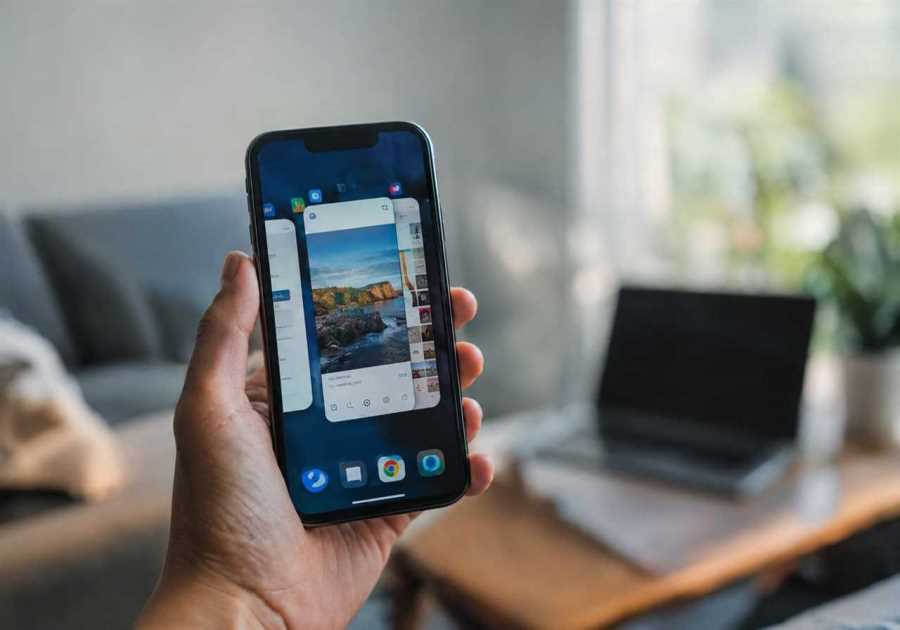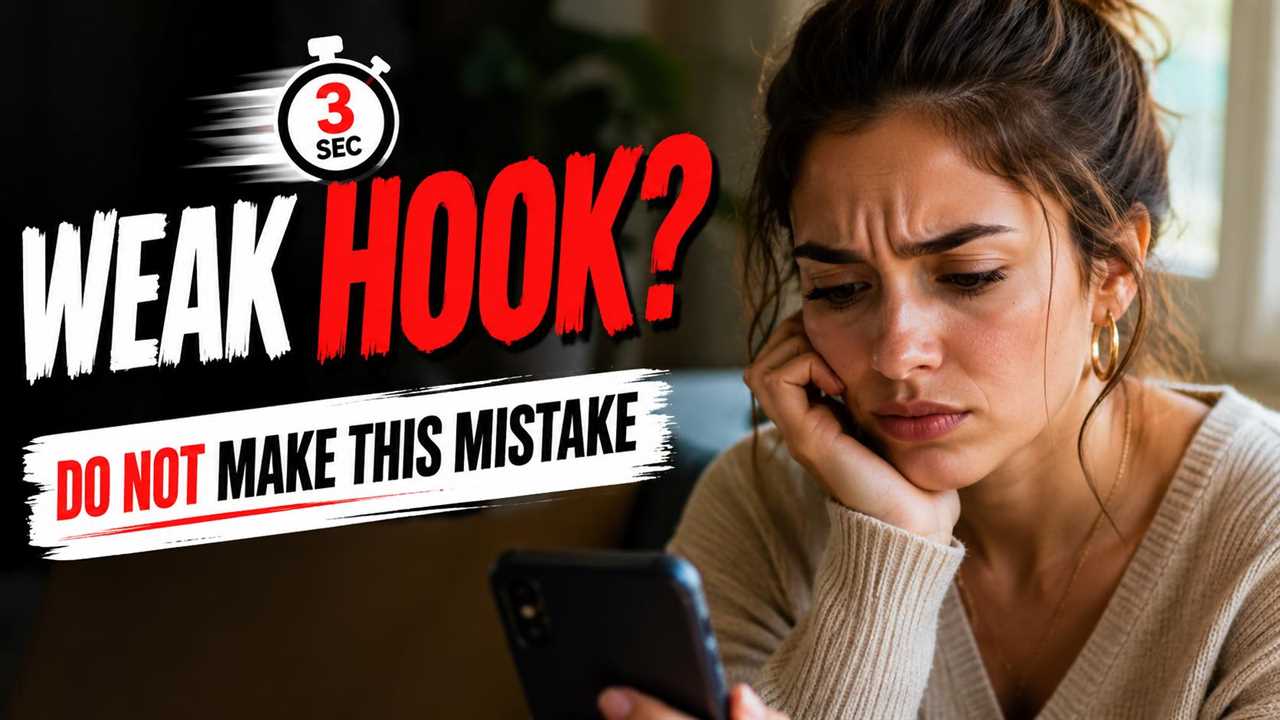
Most short-form videos do not fail because the idea is bad. They fail because the hook does not stop the viewer fast enough.
On platforms like Instagram Reels, TikTok, YouTube Shorts, and Facebook Reels, people scroll on autopilot. Their thumb is already prepared to move before your video even starts. That means your first frame, first words, and first piece of text must interrupt that pattern immediately.
A weak hook gives viewers no reason to care. A strong hook plants a question in their mind. It makes them pause and think, “Wait, what is this?” That moment of curiosity is what keeps them watching.
According to the reference material, bad hooks are one of the biggest reasons short-form videos fail because they crush retention and make viewers swipe away before they understand the video.
The Brain Needs Context Fast
One common mistake creators make is opening with a statement that lacks context.
For example, if someone starts a video by saying, “I definitely don’t cut out carbs,” the viewer may not immediately understand why that matters. The statement might be interesting later, but in the first second, the brain needs a reason to connect.
A better hook adds context immediately.
Instead of simply saying, “I eat carbs every day,” a stronger version might be: “Lean at 45, and I eat carbs every day.”
That hook works because it challenges a common belief. Many people assume staying lean after 40 means avoiding carbs. The hook creates tension between what the audience expects and what the creator is saying. That tension opens a loop, and the viewer wants it closed.
Open Loops Keep People Watching
A great hook does not explain everything right away. It opens a loop.
An open loop is a question the viewer wants answered. It may be obvious or subtle. The key is that it creates mental tension.
Examples include:
“Why does this coffee look wrong but taste amazing?”
“This one habit keeps ruining your reels.”
“I stayed lean after 40 without giving up carbs.”
These hooks make the viewer wonder what comes next. The longer you can keep that curiosity alive, the better your retention may become. But the trick is not to confuse people. Confusion makes them swipe. Curiosity makes them stay.
Your First Frame Matters More Than You Think
Many creators focus only on the spoken hook, but the visual hook matters just as much.
If the first frame is cluttered, poorly framed, or visually boring, the viewer may leave before reading the text or hearing the first line. Your video needs a clean focal point. The viewer should instantly know where to look.
Text should also be placed inside the safe zone so it does not overlap with buttons, captions, or interface elements. If the hook text is too large, too crowded, or placed over a distracting background, it becomes harder to read.
A strong first frame should be simple, visually interesting, and emotionally clear.
The Best Hooks Create a Question
Every hook should make the viewer ask something.
For a fitness video, the question might be: “How does she eat carbs and stay lean?”
For a photography video, it might be: “How did he get that shot?”
For a coffee video, it might be: “What is in that drink?”
If your first frame does not create a question, it may not be strong enough. A pretty image alone is not always enough anymore. Viewers need a reason to care. They need a story, contrast, mystery, emotion, or a clear promise.
Better Hooks Come From Knowing Your Audience
The strongest hooks are not random tricks. They come from understanding what your audience already believes, wants, fears, or struggles with.
"The strongest hooks are not random tricks. They come from understanding what your audience already believes, wants, fears, or struggles with."
— Scott
To stop the scroll, your hook should challenge a belief, create contrast, promise a payoff, or show something visually unexpected. It should speak directly to the person you want to attract.
Short-form success is not just about posting more. It is about making the first three seconds impossible to ignore.
When your hook creates curiosity, gives context, and looks clean on screen, your video has a much better chance of being watched instead of swiped away.

Frequently Asked Questions
Why are the first three seconds so important in short-form videos?
The first three seconds decide whether viewers stop or swipe. People scroll quickly on autopilot, so your opening frame, text, and first line must create instant curiosity, context, or contrast before they lose interest.
What makes a video hook stronger?
A strong hook gives viewers a reason to care right away. It opens a question in their mind, challenges a belief, promises a clear payoff, or shows something unexpected. The goal is to make them think, “Wait, I need to see this.”
Why do some hooks fail even if the video topic is good?
Hooks fail when they are unclear, too slow, visually cluttered, or missing context. A good topic still needs a strong opening. If viewers do not understand the reason to watch immediately, they may swipe before the value appears.
How to Make a Full-Length AI Music Video: No Skills, No
What if I told you that you could make a cinematic, emotional, and professional music video—without knowing how to sing, write music, film, or edit? No big studio, no camera crew, no expensive software.
Read Article →
AI Video Generators in 2025: Which Ones Are Worth Your
Every week, a new AI video tool is making headlines, each claiming to be the future of content creation. And while the buzz is real, the reality is a lot messier: most of these tools don’t actually deliver on their big promises.
Read Article →