SEO used to feel more predictable. You wrote a helpful article, optimized it for the right keyword, built authority, and worked your way toward page one. Once you ranked high enough, traffic usually followed.
That is no longer guaranteed.
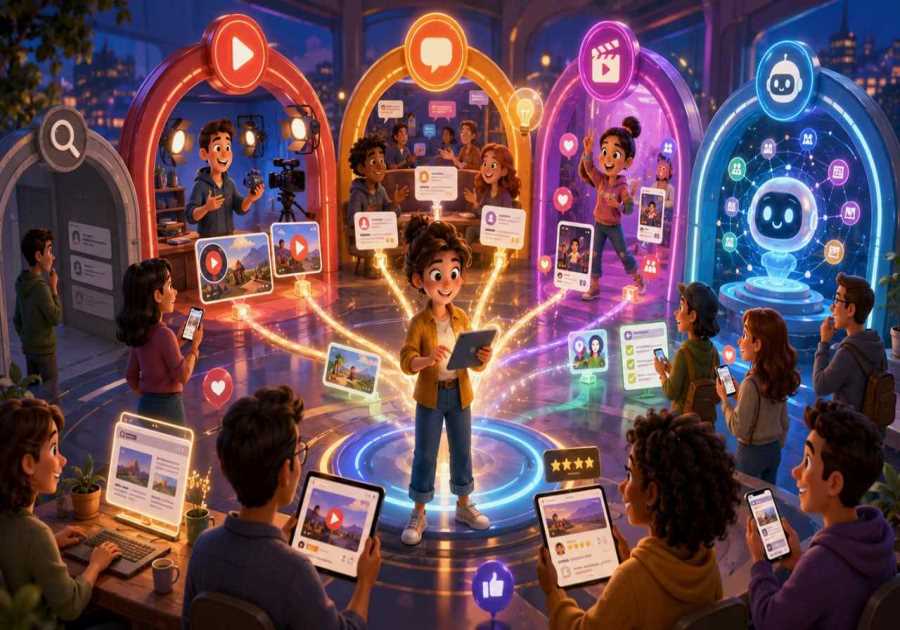
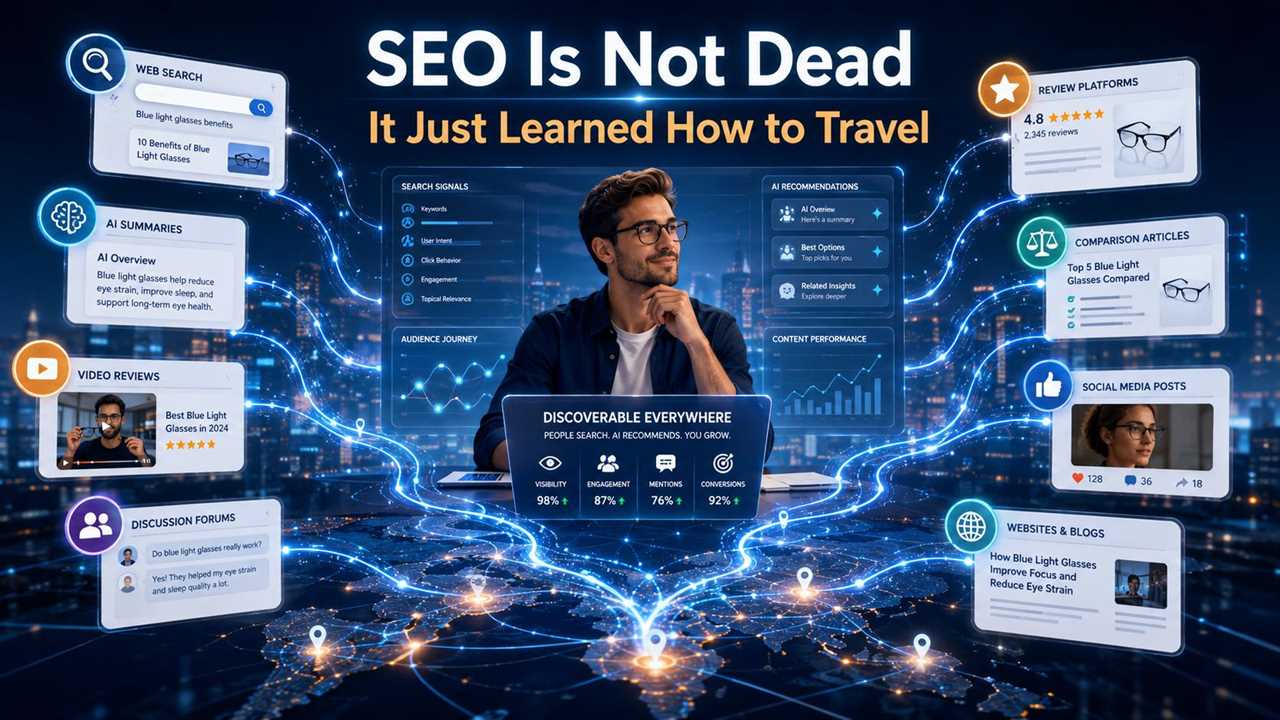
AI summaries, AI assistants, Reddit threads, YouTube reviews, comparison articles, and social platforms have changed how people discover information. Search is no longer a straight path from Google to a website. It is now a scattered journey across many sources.
A person might begin with Google, scan a few list articles, check Reddit for real opinions, watch YouTube comparisons, and read reviews before making a decision. AI tools are starting to behave in a similar way. They gather information from many places before deciding what to recommend.
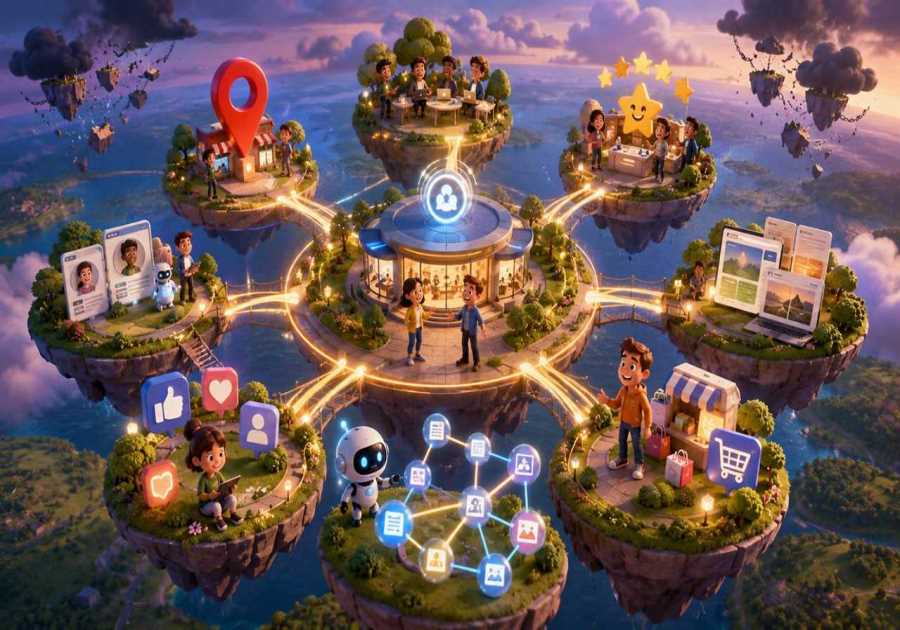
That means modern SEO is not only about ranking. It is about being discoverable everywhere your audience — and AI systems — are looking.
AI Answers Are Reducing Clicks
One major reason SEO feels different is the rise of AI-generated answers in search results.
When Google shows an AI Overview, users may get the information they need without clicking a website. According to the provided source material, research showed that when an AI Overview appears, the number one ranking page saw a click loss that increased from about 35% to 58% in a later study.
That does not mean ranking is useless. It means ranking alone is no longer enough.
In the past, the top result often received the most attention. Now, a brand may influence the answer even without earning the click. If your business, product, article, or service is included in the sources AI tools use, you may still become part of the searcher’s decision-making process.
Visibility now matters before the visit happens.
Brand Mentions Matter More Than Ever
Traditional SEO has long focused on backlinks. Backlinks are still important, but brand mentions are becoming harder to ignore.
"Traditional SEO has long focused on backlinks. Backlinks are still important, but brand mentions are becoming harder to ignore."
— Scott
AI assistants often pull information from pages that discuss brands across different contexts. These may include list posts, review pages, comparison articles, forums, niche websites, social content, and videos.
This matters because AI does not always answer a broad question from one page. It may break the topic into smaller related questions, gather information from multiple sources, and combine those findings into one response.
For example, a query like “best phone for photography” may involve smaller searches about low-light cameras, zoom lenses, reviews, comparisons, and alternatives. If the same brand keeps appearing across those related sources, it has a better chance of being included in the final answer.
This is why businesses should not only ask, “Does my page rank?”
They should also ask, “Is my brand mentioned on the trusted pages that already rank?”
Traditional SEO Still Wins When Users Need Action
Even with AI changing search behavior, traditional SEO is not dead. It still works especially well for action-driven searches.
AI can easily answer questions like “What is compound interest?” or “What is whiplash?” But it cannot fully satisfy searches where the user needs to do something.
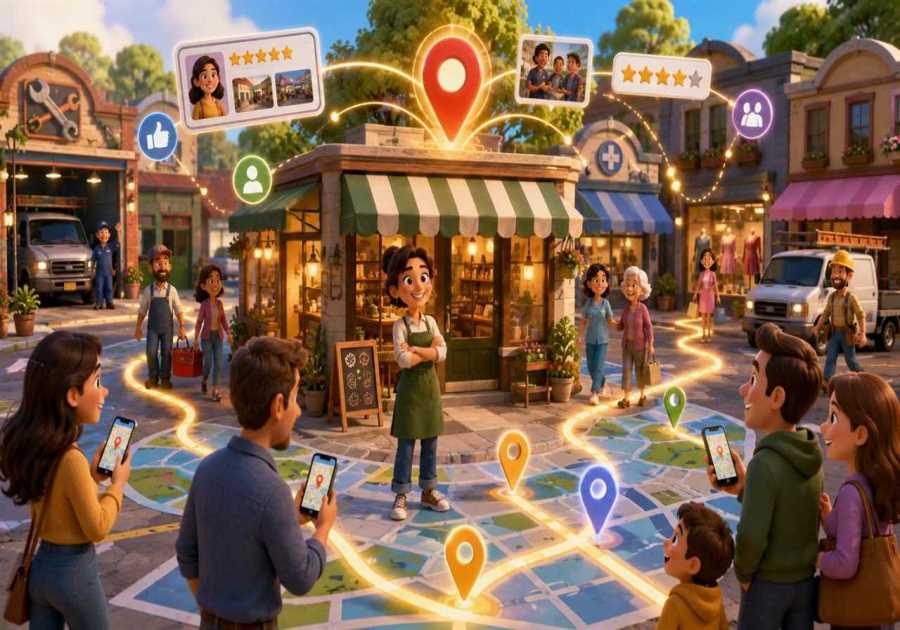
Someone searching for a calculator, checker, local service, appointment, comparison, or provider still needs to click, call, book, download, compare, or take action. These are the keywords where traditional SEO still has strong value.
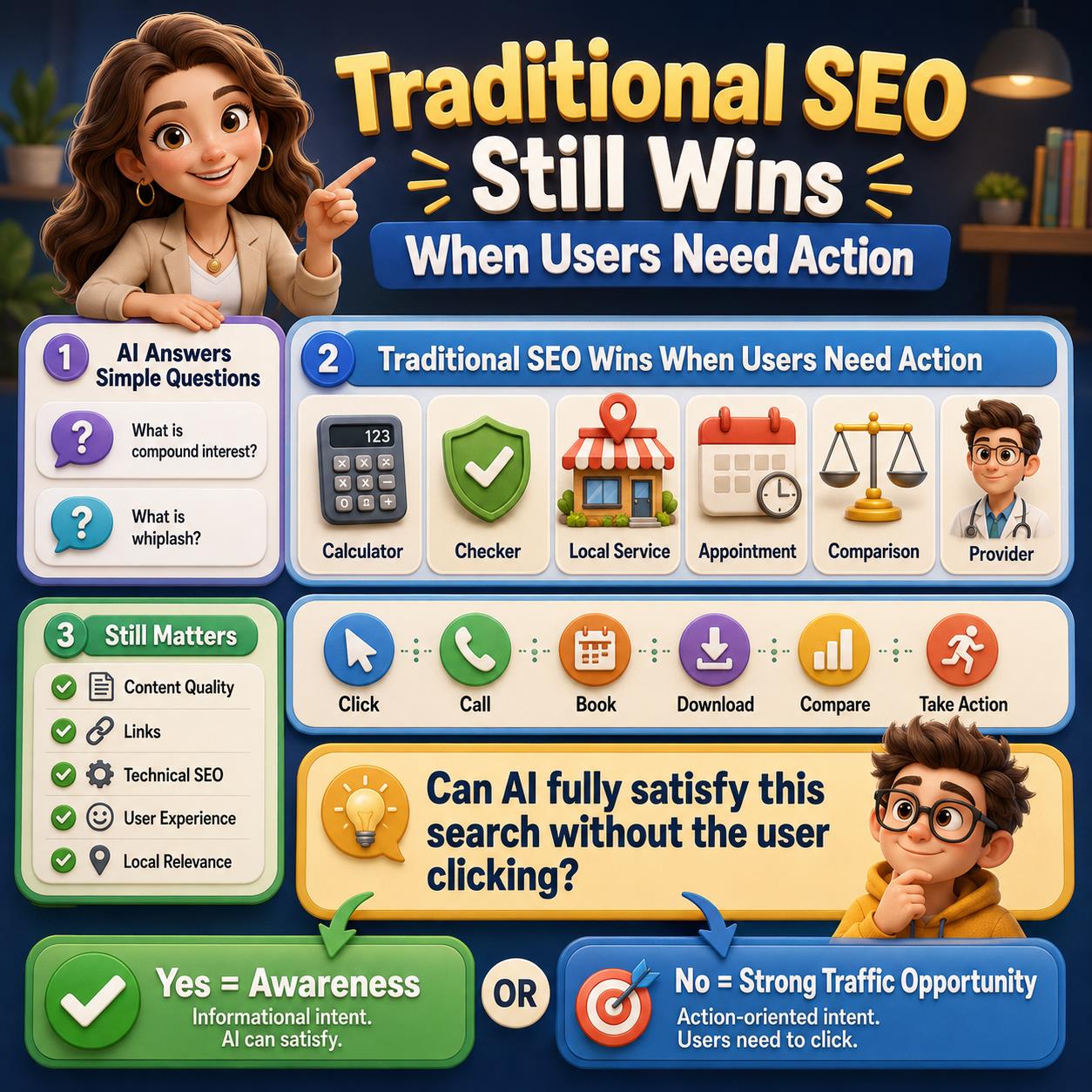
That includes service-based searches, local searches, transactional searches, and tool-based searches. For these keywords, content quality, links, technical SEO, user experience, and local relevance still matter.
Before targeting a keyword, ask one simple question:
Can AI fully satisfy this search without the user clicking?
If the answer is yes, the keyword may be better for awareness. If the answer is no, it may still be a strong traffic opportunity.
The Smarter SEO Strategy Now
SEO has not disappeared. It has expanded.
The smarter strategy is to combine traditional SEO with broader brand visibility. Keep building strong website pages. Keep matching search intent. Keep improving technical SEO. Keep earning trust.
But do not stop there.
Work on getting mentioned in list articles, comparison pages, review sites, social media, YouTube content, niche publications, and local websites. These are the places where people research and where AI systems may look for supporting information.
The future of SEO belongs to brands that are easy to find, easy to trust, and easy to recommend.

Frequently Asked Questions
How AI Search Algorithms Are Changing SEO
AI search is changing how people find information online. More users now ask tools like ChatGPT, Perplexity, Gemini, and AI Overviews for direct answers instead of clicking through traditional search results.
Read Article →
Google AI Mode Didn’t Kill SEO. It Exposed Who Was Faking
Google AI Mode is changing what success looks like in search. The old game was simple: rank on page one, get the click, and hope the visitor converts.
Read Article →