Running a small business often feels like being pulled in multiple directions at once. Between customer communication, operations, marketing, content creation, and decision-making, it’s easy to stay busy all day and still feel like nothing important was truly finished. Most small business owners and teams aren’t lacking motivation or work ethic—the real problem is that time gets lost to inefficiencies, interruptions, and unclear priorities.
True productivity doesn’t come from working longer hours or pushing harder. It comes from building systems that reduce friction and make it easier to focus on meaningful work. When your day is structured intentionally, you naturally get more done without stress or burnout. The following seven strategies are practical, proven ways small businesses can reclaim time and increase daily output in a sustainable way.
1. Plan Tomorrow Before Today Ends
One of the most powerful productivity habits is planning the next workday before the current one ends. When people shut down for the day without a plan, the next morning often starts in reaction mode. Emails get checked first, messages are answered impulsively, and valuable time is lost deciding what to work on instead of actually working.
Spending just 10 to 15 minutes at the end of the day planning tomorrow creates immediate clarity. Instead of waking up and reacting, you start the day with direction. You already know what needs attention and what can wait, which significantly reduces decision fatigue and stress.
Using a planning app helps make this habit consistent. Todoist is a simple and effective tool for end-of-day planning. You can quickly list tomorrow’s priorities, assign due dates, and mark your most important tasks so they’re front and center when the next day begins. Because it syncs across desktop and mobile, your plan is always accessible.
The key is not to over-plan. Focus on identifying the three most important outcomes for tomorrow—the tasks that genuinely move the business forward. When those are clear, everything else becomes easier to manage or postpone. Over time, this habit leads to calmer mornings, sharper focus, and more consistent productivity.
2. Batch Similar Tasks to Reduce Mental Switching
Task switching is one of the biggest hidden productivity drains in small businesses. Jumping between emails, calls, documents, meetings, and creative work forces the brain to constantly reset. Even brief interruptions come with a mental cost, making it harder to maintain momentum and focus throughout the day.
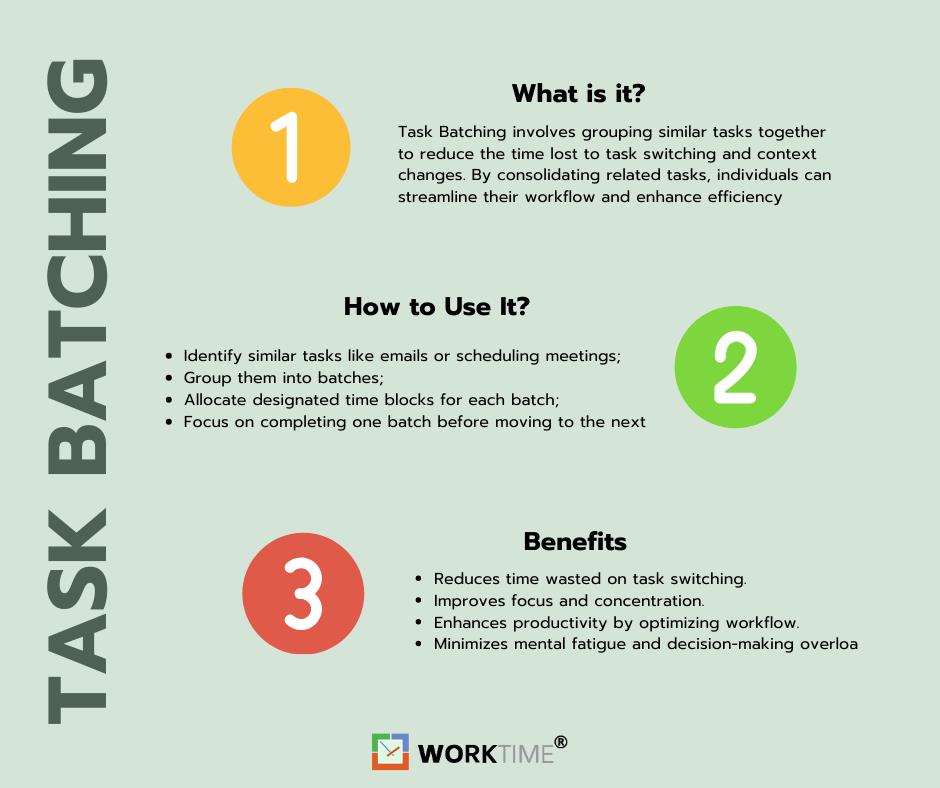
Task batching solves this problem by grouping similar activities into dedicated time blocks. Instead of responding to emails all day long, you process them during specific windows. Instead of creating content sporadically, you batch writing, editing, and publishing into longer, uninterrupted sessions. This allows the brain to stay in one mode instead of constantly shifting gears.
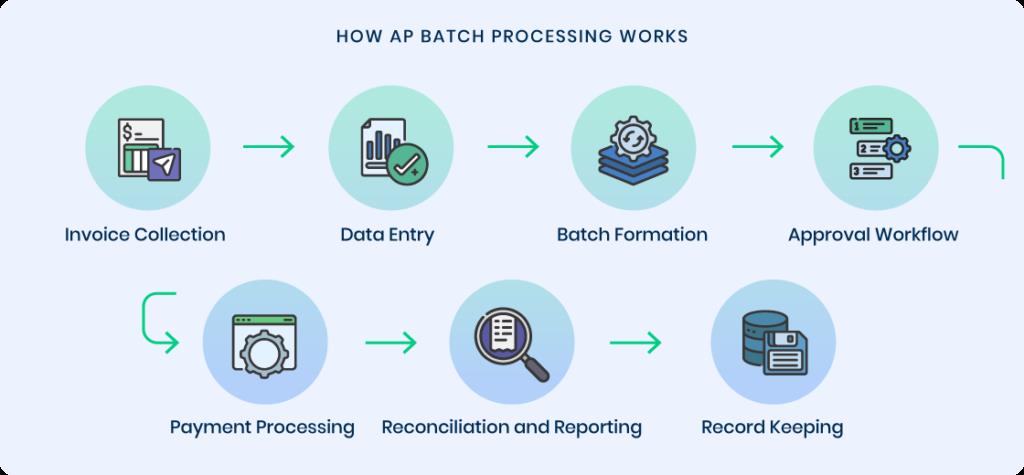
For small teams, batching is especially effective for administrative tasks such as invoicing, scheduling, follow-ups, reporting, and social media posting. These tasks are necessary, but scattering them across the day creates constant interruptions and inefficiencies.

When tasks are batched, they are completed faster, with fewer errors, and with far less mental fatigue. The result is a workday that feels calmer, more controlled, and far more productive.
3. Automate Repetitive and Low-Value Tasks
Many small businesses lose hours every week on tasks that don’t require creativity, judgment, or strategic thinking. Manual scheduling, repetitive follow-ups, copying content between platforms, and routine posting may feel unavoidable, but over time they quietly consume enormous amounts of productive energy.
Automation is one of the fastest ways to reclaim that lost time. When repetitive processes run automatically, business owners and teams are free to focus on higher-value work like serving customers, closing sales, and improving operations. Even small automations can add up to significant time savings.
Content creation and posting is one area where automation delivers immediate impact. RSSMasher helps small businesses automate content creation and publishing using RSS feeds. Instead of manually creating and posting content every day, RSSMasher pulls relevant content, repurposes it, and publishes consistently across your websites and platforms. Your business stays visible online while your content engine runs quietly in the background.
By automating content workflows, RSSMasher frees up hours that would otherwise be spent writing, formatting, and posting. That time can be redirected toward growth-focused activities instead of routine maintenance.
4. Define Daily Output Goals Instead of Endless To-Do Lists
Traditional to-do lists often create the illusion of productivity without delivering real progress. They grow longer every day, mix high-impact work with trivial tasks, and leave people feeling busy but unsatisfied. Checking off boxes doesn’t always mean the business actually moved forward.
A more effective approach is defining daily output goals. Instead of asking, “What should I work on today?” ask, “What must be completed today for this day to be a win?” Output goals focus on results, not activity.
For example, “Work on marketing” is vague and open-ended. “Publish one blog post” or “Launch one campaign” is specific and measurable. This clarity helps teams prioritize meaningful work and prevents important tasks from being crowded out by urgent but low-value distractions.
When output becomes the focus, productivity becomes intentional. Progress is visible, and days end with a sense of completion rather than lingering uncertainty.
5. Reduce Meetings and Protect Working Time
Meetings can be useful, but too many meetings are one of the fastest ways to kill productivity in a small business. Every meeting interrupts focus, fragments schedules, and pushes deep work into smaller and less effective time windows.
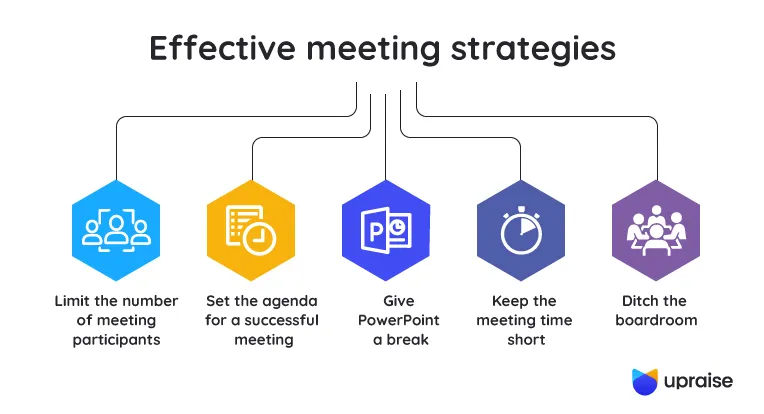
Not every conversation requires a meeting. Status updates can often be shared in writing. Decisions can be made asynchronously. Questions can be answered without blocking multiple calendars. When meetings are necessary, they should have a clear purpose, a defined agenda, and a specific outcome.

Shorter meetings with fewer participants are often more effective than long, unfocused ones. Protecting uninterrupted work time allows people to actually execute instead of spending the day talking about work rather than doing it.
6. Use Time Blocking to Create Deep Focus
Time blocking turns priorities into calendar commitments. Instead of hoping there will be time for important work, time blocking ensures that time is intentionally reserved. This is especially valuable in small businesses where interruptions are frequent and schedules change quickly.
By assigning specific blocks for focused work, administrative tasks, meetings, and even breaks, the day gains structure without becoming rigid. During deep-focus blocks, notifications are silenced and attention is protected.
Even one or two deep-focus blocks per day can dramatically increase output. Over time, time blocking reduces stress, improves predictability, and makes productivity feel sustainable instead of forced.
7. End Each Day With a Review and Optimization Habit
Productivity isn’t just about doing more work—it’s about learning from how the work gets done. Without reflection, inefficiencies repeat themselves and small problems quietly become permanent bottlenecks.
Taking just five minutes at the end of the day to review what was completed, what took longer than expected, and what caused friction creates powerful awareness. Patterns begin to emerge, making it easier to identify what should be automated, delegated, or eliminated.
Using a reflection app helps make this habit consistent. Day One works well for daily productivity reviews because it allows you to quickly record wins, challenges, and improvement ideas. Over time, these entries reveal trends that help you refine workflows and make smarter decisions.
This small daily habit compounds quickly. When reflection becomes routine, productivity improves naturally—because each day teaches you how to work smarter the next one.
Productivity Comes From Systems, Not Hustle
Small businesses don’t struggle because people aren’t working hard enough. They struggle when time is lost to distractions, inefficiencies, and poorly designed workflows. Productivity improves when the workday is built around clear priorities, protected focus, and supportive systems.
By planning ahead, batching tasks, automating repetitive work, defining clear outputs, limiting meetings, blocking time for focus, and reviewing progress daily, small businesses can reclaim hours every week. More importantly, they can build workdays that feel purposeful instead of exhausting.
Better systems lead to better results—and sustainable growth follows naturally.