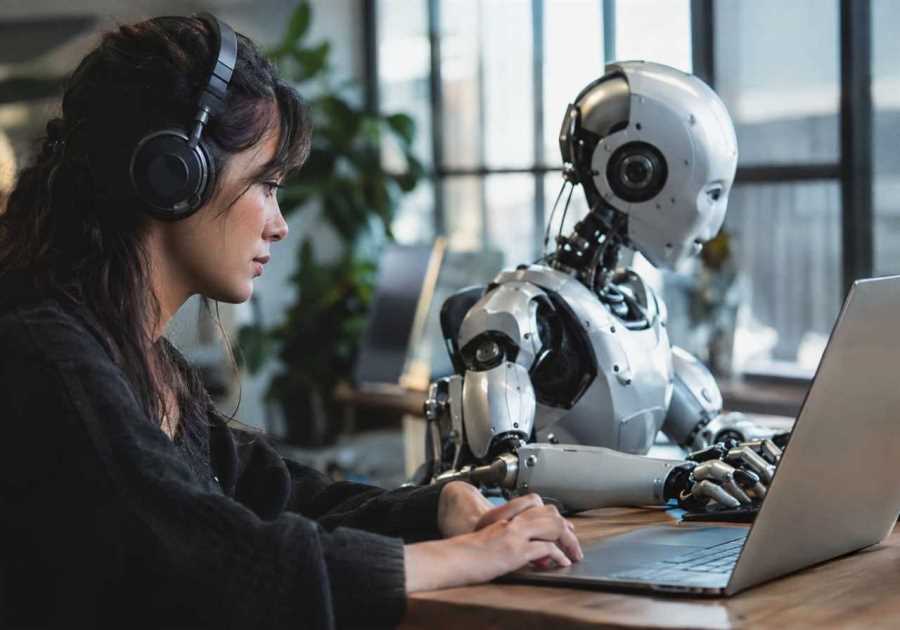
Here's something that doesn't surprise me one bit: people can tell the difference between a real person and a computer-generated one, even when the computer-generated one is trying really hard to seem real.
A new study from DoubleVerify, reported by Buzzincontent, found that human creators who use AI tools get a warmer response from audiences than fully virtual influencers do. Not a small difference. A real, measurable one.
Think about that for a second. We're deep into an era where brands can build a completely synthetic influencer — perfect face, perfect lighting, never ages, never has a bad hair day, never says the wrong thing at 2am. And yet people respond better to an actual human who happens to use AI to write captions, edit video, or brainstorm ideas.
Why?
I think it comes down to something pretty simple: we want to know there's a person on the other end of the story.
I've been traveling full-time since 2017, and almost every piece of content I put out — photos, posts, videos — comes from something I actually did. I climbed that trail. I got lost in that market in Chiang Mai. I made a mistake booking that overnight bus in Peru and lived to tell about it. AI helps me organize my thoughts, tighten up a paragraph, or research a destination faster. But it doesn't live my life for me. It can't.
That's the line DoubleVerify's research seems to be drawing too. Audiences are fine with creators using AI as a tool. What they don't connect with is a creator who IS the AI — a face with no life behind it, no actual experience to draw from, no risk, no mistakes, no story.
And isn't that the whole point of following someone in the first place? You want their perspective. Their mistakes. Their weird detours. A virtual influencer doesn't have a messy divorce, a missed flight, a moment of doubt at 68 wondering if backpacking through Southeast Asia alone is a smart idea. (It was, by the way. Best decision I made that year.)
So what does this mean if you're a creator, a small business owner, or just someone thinking about using AI in your own work?
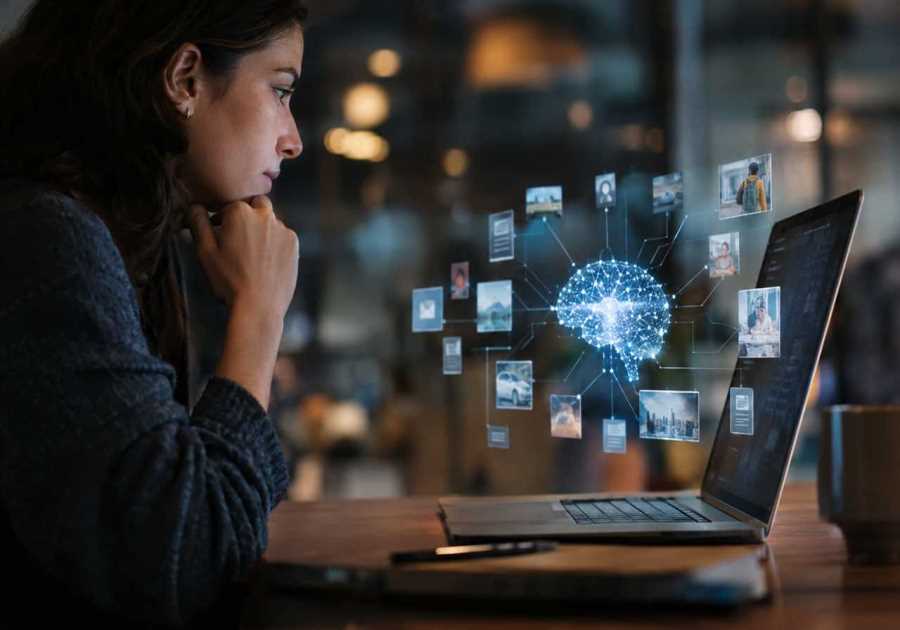
Use it like a tool, not a mask. I use AI to help draft emails faster, to research visa requirements before I land somewhere new, to translate menus when my Spanish fails me (often). What I don't do is let it replace my actual voice or pretend experiences I haven't had. The moment you do that, people feel it, even if they can't explain why.
This also tells me something bigger about where things are headed. Brands have spent a fortune building virtual influencers — flawless, controllable, available 24/7. But flawless isn't actually what people want. People want real. They want someone who's been somewhere, tried something, failed at something, and lived to talk about it.
That's good news, honestly. It means there's still a real advantage to being a genuine human being doing genuine things in the world. Your age doesn't matter. Your polish doesn't matter. What matters is whether you actually did the thing you're talking about.
I'll admit, I'm curious where this goes next. What happens when AI gets good enough to fake "authentic mistakes" too? Will audiences catch on, or will the lines blur even further? I don't know yet. Nobody does. But right now, today, the data says something simple and kind of reassuring: humans still win when they stay human and just use the tools smartly.
So if you're building something — a brand, a following, a business, a life — don't try to be perfect. Try to be real. Use AI to help you tell your story faster or better. Just make sure it's still your story.
Because apparently, people can tell the difference. And they still prefer the real thing.
Source: Buzzincontent
Before this, we covered: YouTube Music Wants You to Know When a Robot Wrote the Song