Last year, many website owners felt like the floor disappeared beneath them. Traffic dropped. Rankings became less predictable. Some sites that had performed well for years suddenly started losing clicks. The most frustrating part was not just the decline. It was the uncertainty. Was SEO still worth doing? Were AI answers replacing websites? Was Google becoming a place where users got answers without ever clicking? The fear was understandable. AI Overviews changed the way search results behave. According to the reference material, when an AI Overview appears, the number one ranking page may lose a significant share of clicks, with the reported loss rising from about 35% in one study to 58% in a later rerun. That sounds brutal. But it does not mean SEO is over. It means the old version of SEO is no longer enough.
Discovery No Longer Starts and Ends With Google
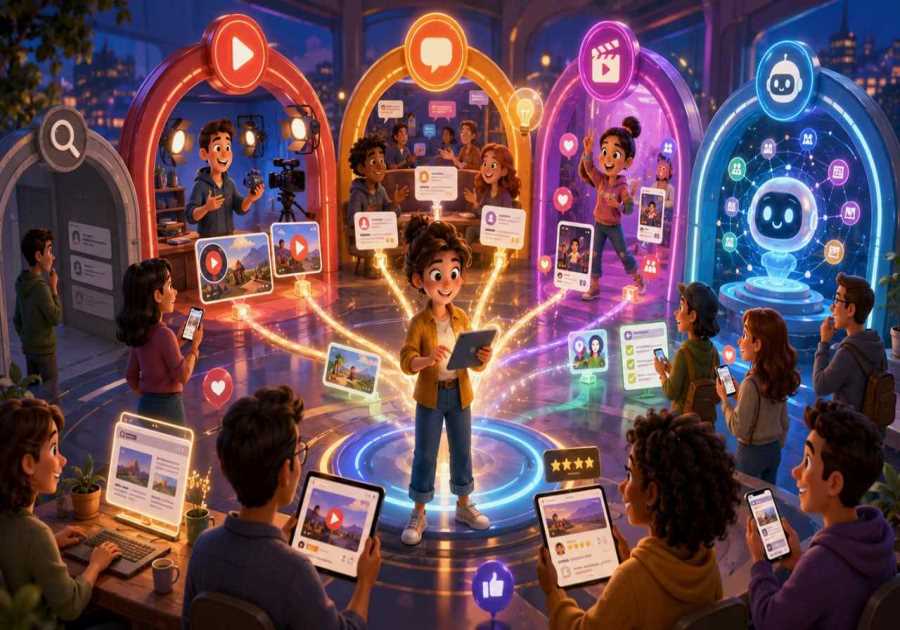
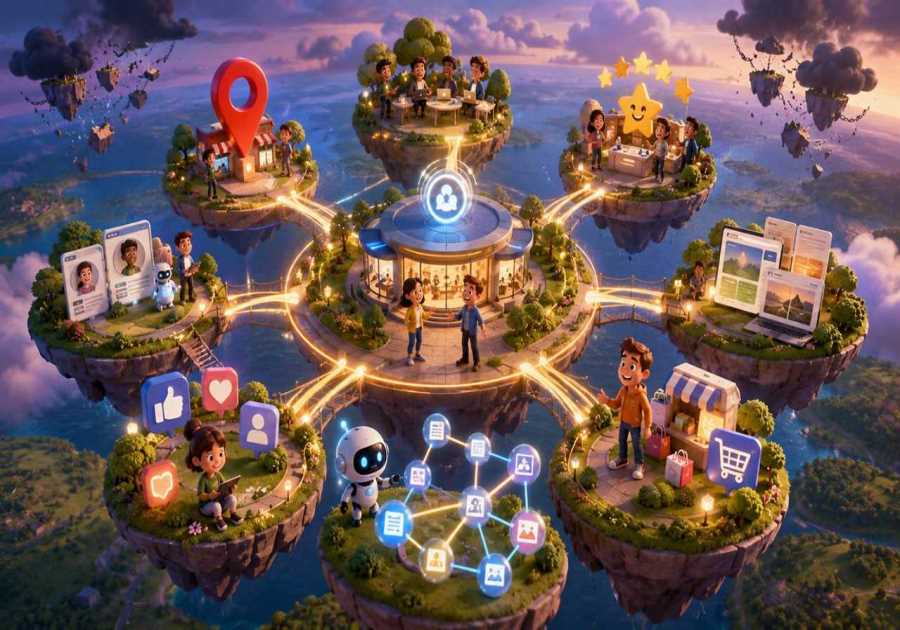
People do not research in a straight line anymore. A buyer might begin on Google, scan a few listicles, check Reddit for real opinions, watch YouTube comparisons, and then read Amazon reviews before making a decision. This is not unusual behavior. It is the new normal. AI assistants are starting to behave in a similar way. They pull from different sources, compare information, and use many signals to decide which brands or answers to recommend. That means your website is only one part of your visibility. Your brand also needs to appear where people and AI systems look for supporting information: review sites, comparison pages, niche blogs, YouTube, forums, social media, and trusted publishers. Modern SEO is not just about being found on Google. It is about being discoverable across the entire research journey.
Brand Mentions Are Becoming a New Ranking Weapon
For years, SEOs obsessed over backlinks. Backlinks still matter, but brand mentions are becoming harder to ignore. AI assistants often break a single broad query into many smaller questions. For example, a search like “best smartphone for photography” may lead to subtopics about low-light photos, zoom lenses, camera comparisons, and user reviews. If your brand appears across the pages that answer those related questions, you have a better chance of being included in the final AI-generated response. This is why brand building now overlaps with SEO. It is not enough to publish your own article and hope it ranks. You want your brand mentioned on list articles, review pages, comparison posts, social conversations, and trusted niche resources. The more often your brand appears in meaningful places, the easier it becomes for AI and humans to connect you with your topic.
Traditional SEO Still Wins When Users Need Action
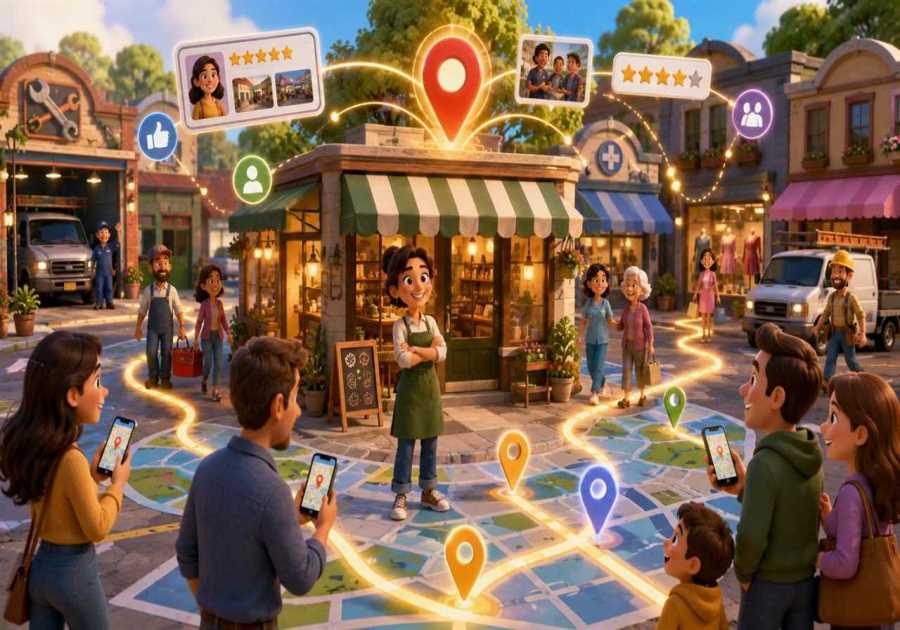
AI is strong at answering informational questions. It can explain what something means, summarize a topic, or provide a quick recommendation. But it still struggles when the user needs to complete an action. Searches like “backlink checker,” “mortgage calculator,” “snow removal service,” “best project management software,” or “walk-in chiropractor near me” often require a click, tool, booking, comparison, purchase, or decision. These action-driven searches are where traditional SEO still matters. Content quality, links, technical SEO, site structure, local relevance, and clear calls to action can still drive meaningful traffic. Before targeting a keyword, ask one simple question: can AI fully satisfy this search without the user clicking? If the answer is yes, the keyword may still build awareness, but it may not bring much traffic. If the answer is no, it may still be a valuable SEO opportunity.
The Smarter Way Forward
The future of SEO is not about choosing between Google and AI. It is about building visibility in both. You still need strong content. You still need technical SEO. You still need links, structure, and search intent alignment. But you also need broader brand visibility across the places AI and people trust. That means creating helpful pages, earning mentions, appearing in comparisons, building social proof, and showing up in conversations where buying decisions are shaped. SEO has changed, but the game has not ended. The winners will be the brands that stop chasing rankings alone and start becoming impossible to ignore everywhere discovery happens.

Frequently Asked Questions
Why are some websites losing SEO traffic?
Many websites are losing traffic because AI Overviews and AI-generated answers can satisfy users directly in search results. Even if a page ranks well, fewer people may click when the answer is already summarized. This does not mean SEO is dead, but it does mean strategy must adapt.
What should businesses do after an SEO traffic drop?
Businesses should review which keywords lost clicks, identify whether AI can answer those searches without a visit, and shift focus toward action-driven keywords. They should also build visibility through brand mentions, reviews, comparison pages, social platforms, and trusted niche websites.
Is traditional SEO still useful in the age of AI?
Yes. Traditional SEO still works especially well for searches where users need to act, compare, book, buy, or use a tool. Strong content, technical SEO, backlinks, internal linking, and search intent still matter when the user needs more than a quick AI answer.